Guides
The vocabulary and the decisions, in plain English. This is the part of the site that exists because everywhere else assumes you already know.
This is the part of the site that exists because everywhere else assumes you already know. Bike listings are written in a private vocabulary — groupset, cassette, clearance, 1x, 700c, stack, reach — and almost nobody stops to define any of it.
These pages define it. Not by telling you not to worry about the technical stuff, which is the standard condescension, but by explaining it properly. Understanding what you are buying is the product here.
Everything in Guides

How to Choose Your First Drop-Bar Bike
Six questions, in order, that get you from 'I want a bike' to a specific model in the right size.
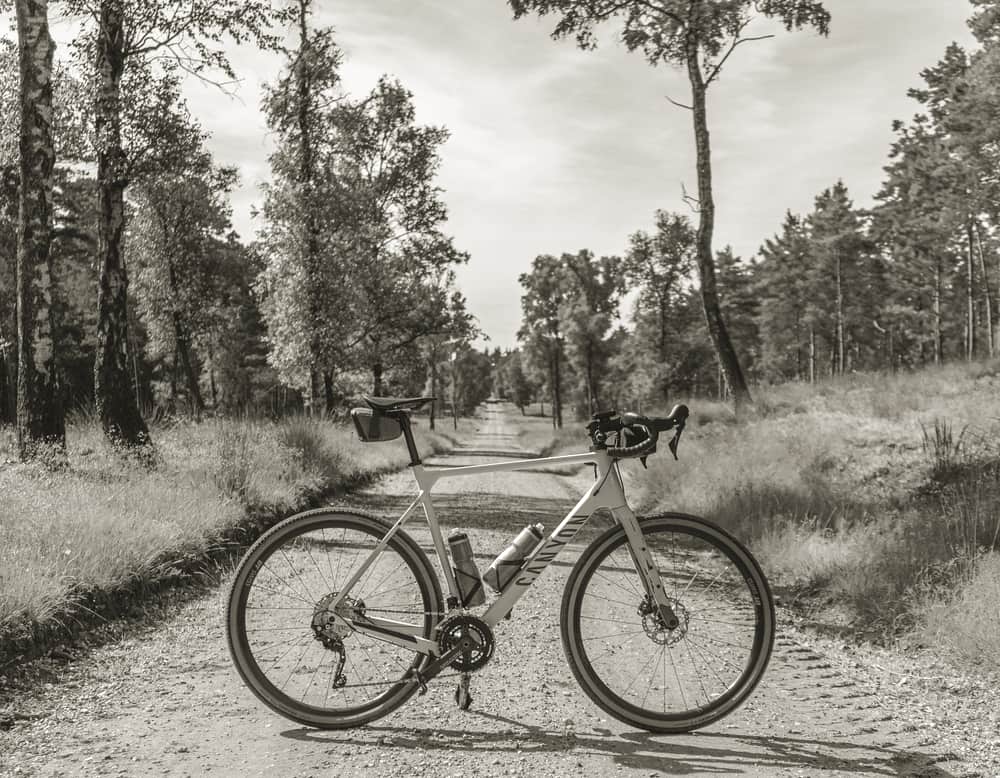
What Is a Gravel Bike?
A road bike with room for fatter tires. That is genuinely most of it — here is the rest.
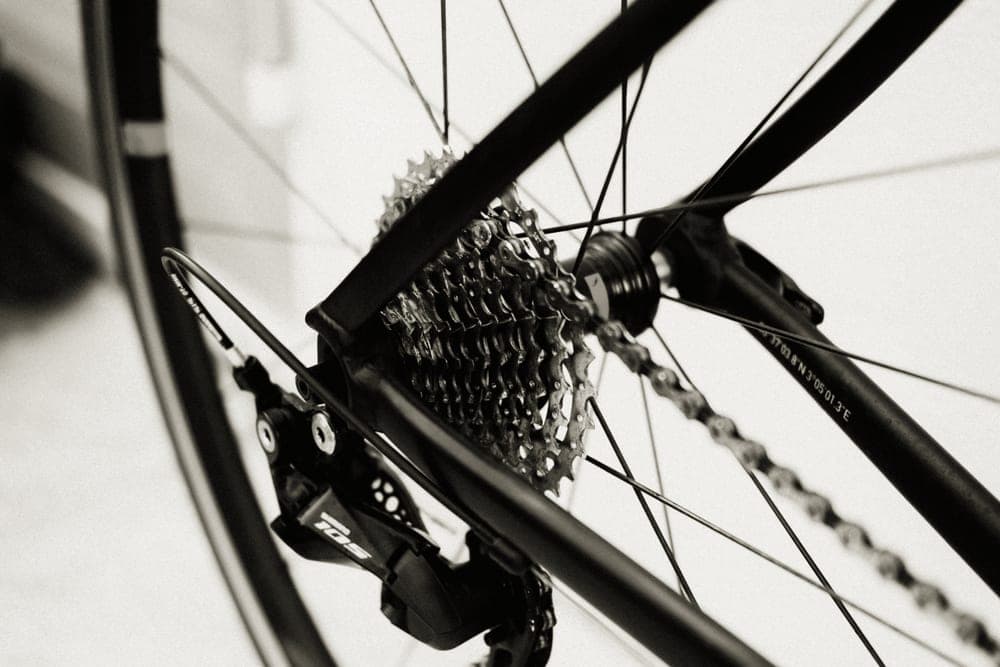
Bike Groupsets Explained
The word every bike listing uses and nobody defines. What a groupset is, the Shimano and SRAM ladders as tables, and how much it should change your decision.
Bike Size Chart: What Size Do I Need?
A real manufacturer size chart, how to measure yourself, and what to do when you land between two sizes.

Is a Gravel Bike Worth It?
For most first-time buyers, yes — and here is the specific case where the honest answer is no.

Bike Jargon Glossary
Every word a bike listing uses without explaining it, defined in one plain sentence each.
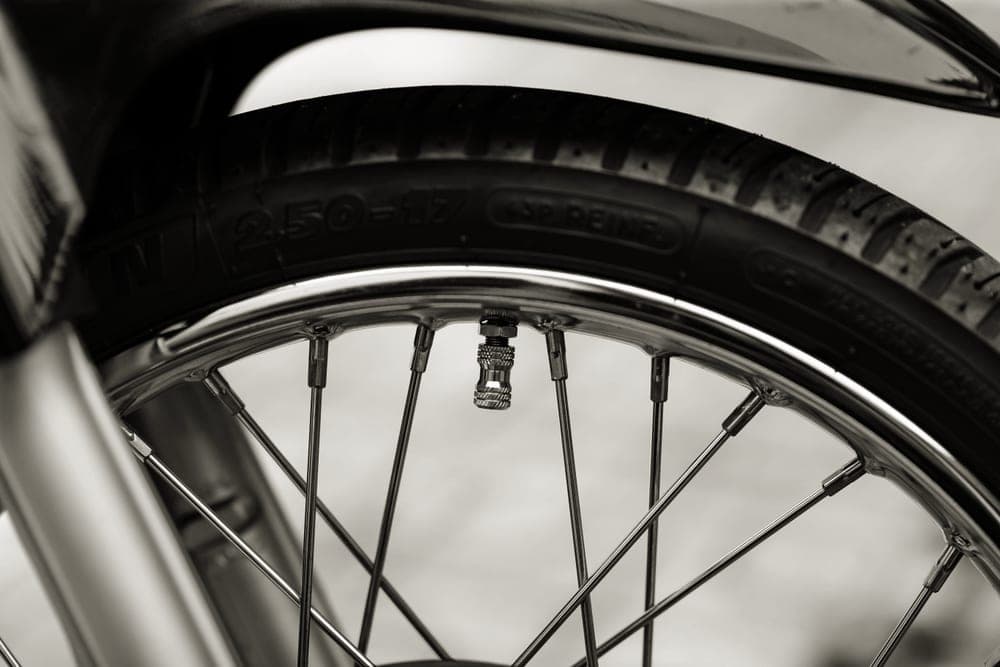
Gravel Bike Tire Pressure
The free upgrade almost every beginner is missing. What pressure to run, how to find yours, and why the number on the sidewall is not it.
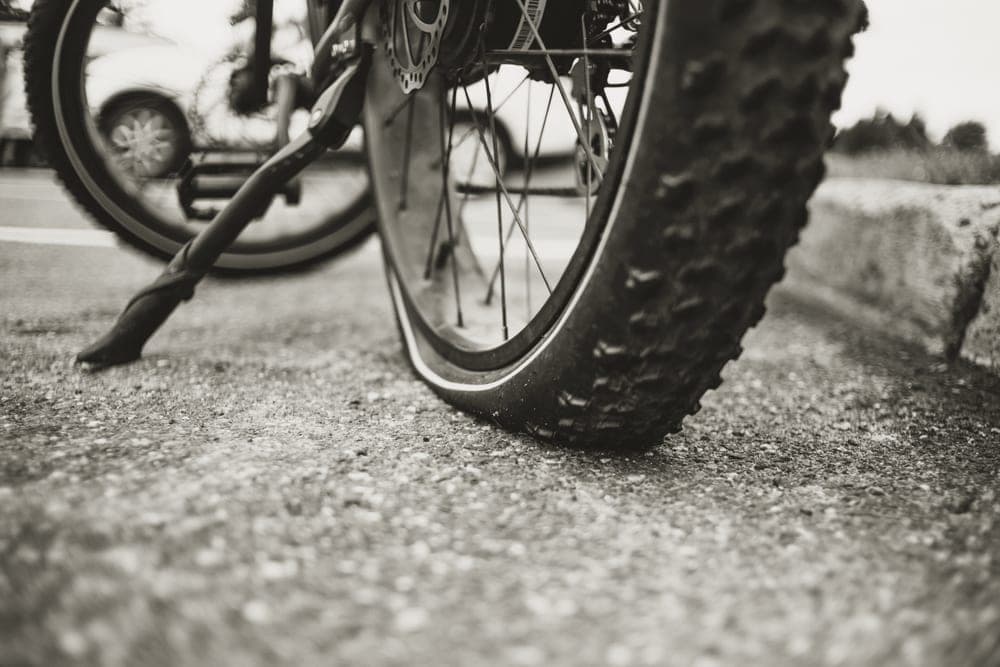
How to Fix a Flat Tire
The one roadside repair everyone needs, in eleven steps - plus the three mistakes that cause a second puncture within a mile.
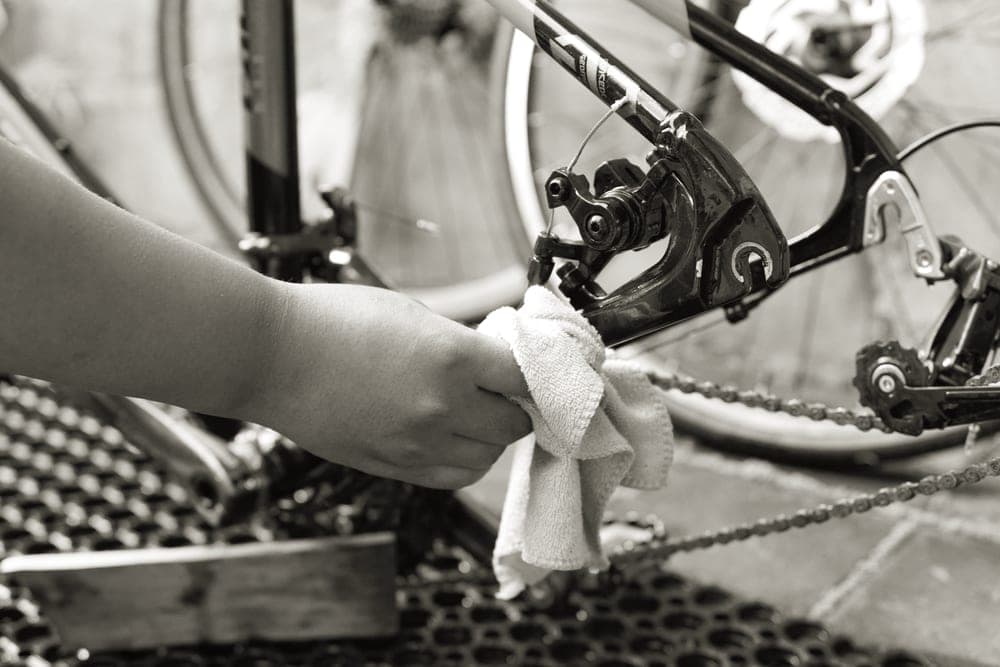
Bike Maintenance for Beginners
Four jobs that keep a bike running, how often to actually do them, and everything you can safely leave to a shop.
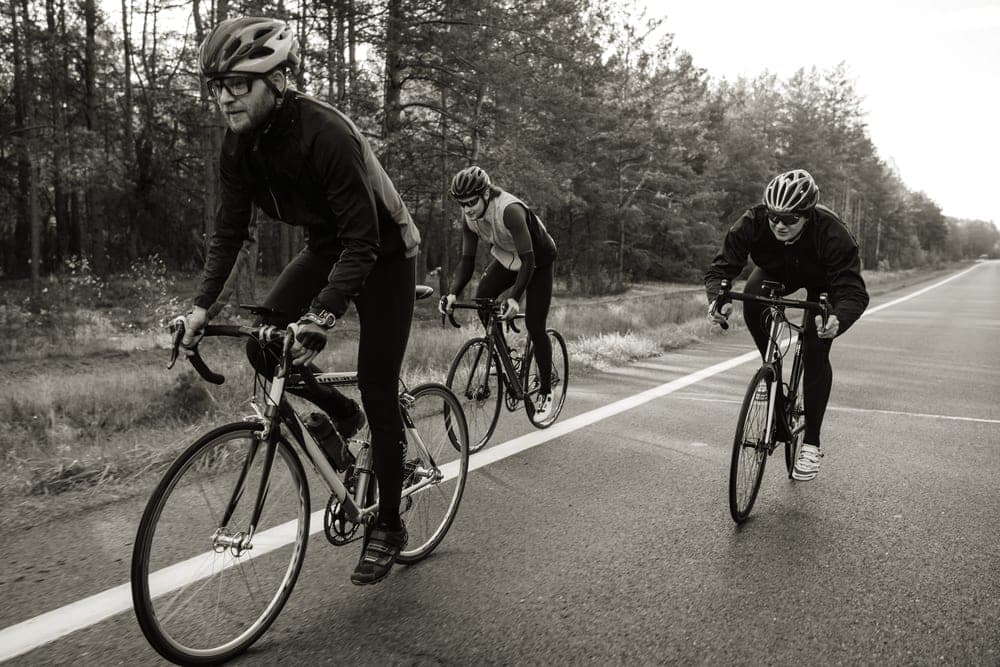
How to Ride a Road Bike
Drop bars, shifting and braking explained for someone who has only ever ridden a flat-bar bike.
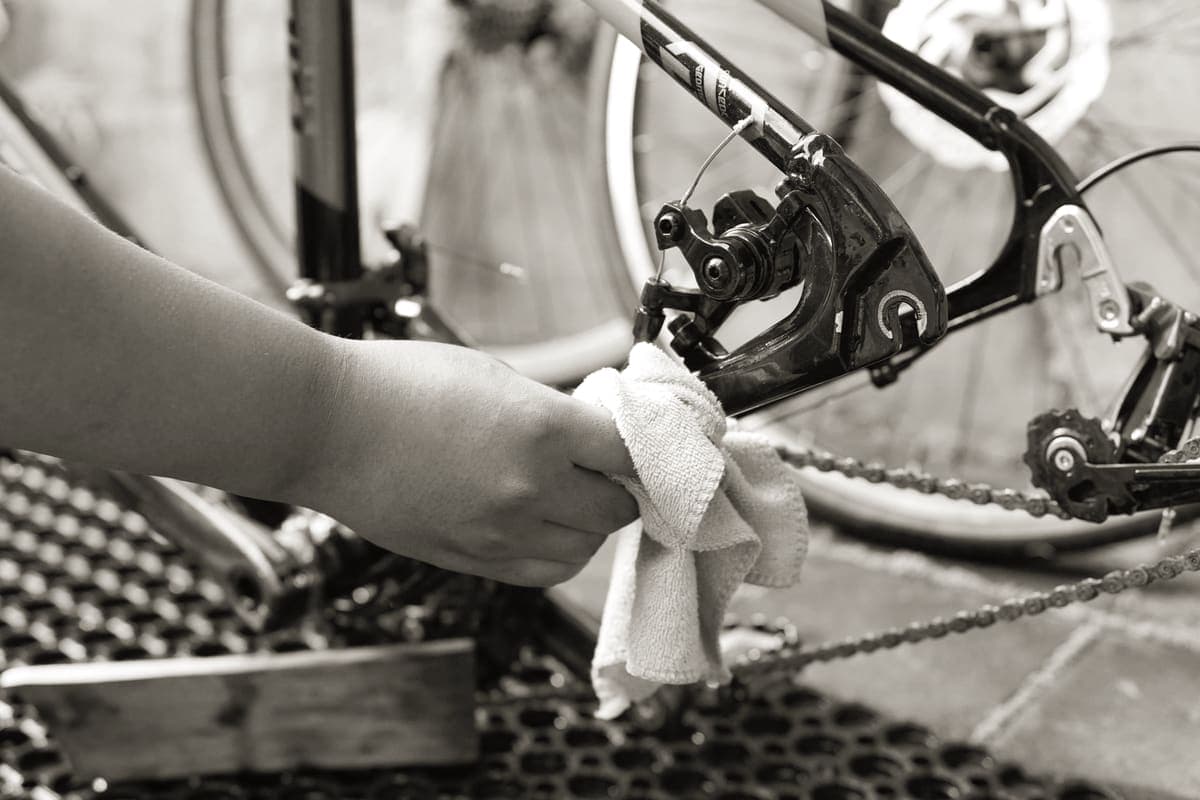
How to Clean and Lube a Bike Chain
The twenty-minute job that makes the drivetrain last three times as long, and the two mistakes that undo it.
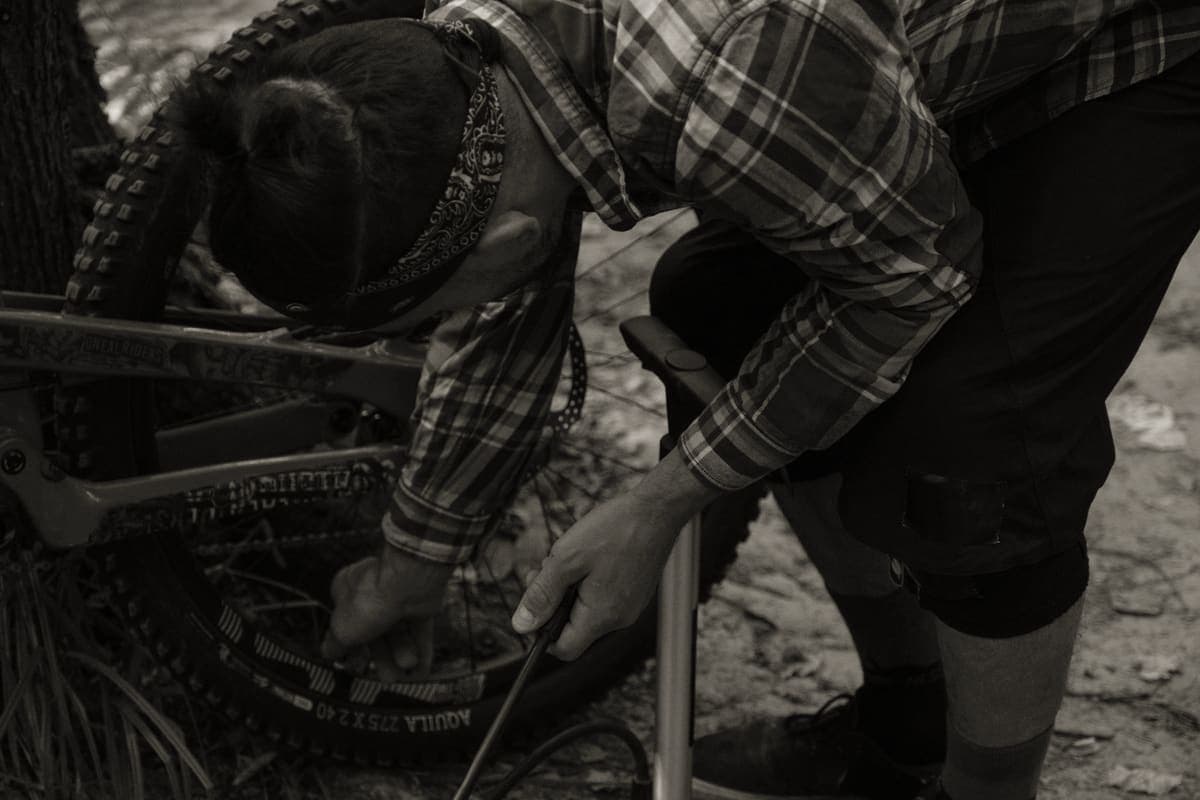
How to Pump Up Bike Tires
Presta valves defeat more beginners than any other part of a bike. Here is exactly what to do, in order.
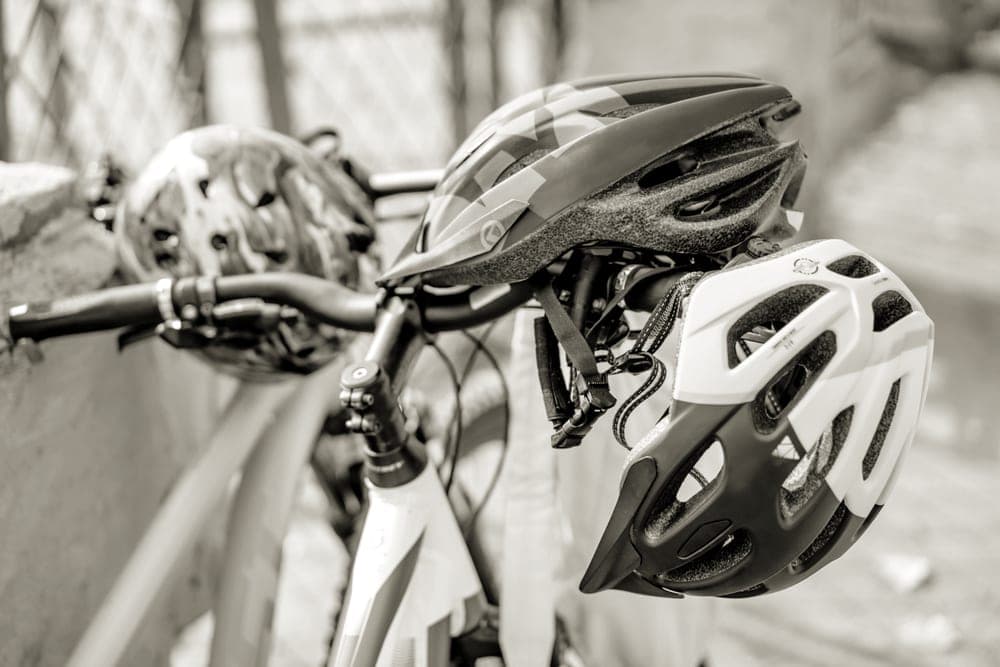
How to Fit a Bike Helmet
Most helmets are worn wrong in the same three ways. Four checks that take two minutes and decide whether it works.
How to Adjust Bike Brakes
Rubbing pads, a lever that reaches the bar, brakes that squeal — the three complaints, and the fixes, for rim and disc.
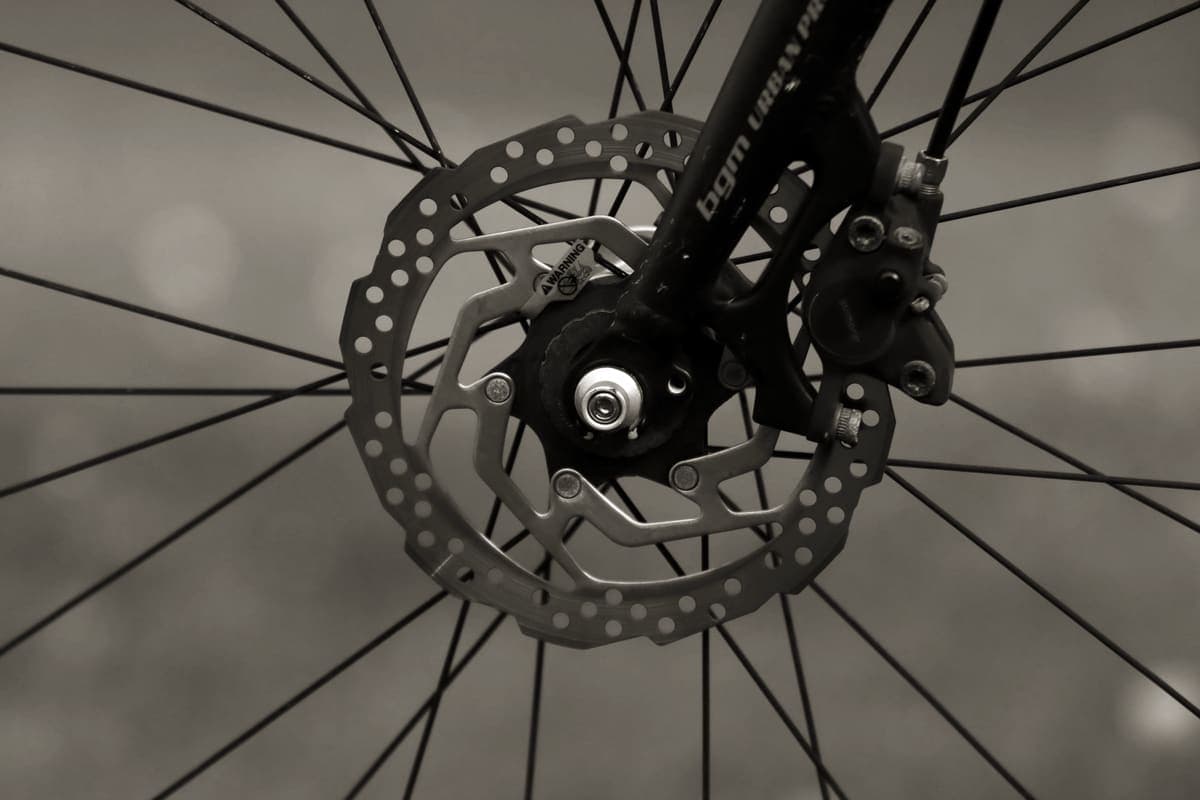
Bike Brake Pads: When to Replace Them, and Which Ones Fit
The cheapest safety part on the bike, and the one nobody checks. How to tell they are done, and how to buy the right shape first time.
What to Wear Cycling
A temperature-by-temperature answer, from 80F down to freezing, without assuming you own any of it yet.
First Gravel Bike Upgrades
Five upgrades in the order they are worth doing, and the four that people buy first and should not.
How to Index Bike Gears
The clicking, skipping and refusing-to-shift that every boxed bike arrives with — fixed with one barrel adjuster and no tools.
Buying a Used Bike
What the same money buys second-hand, the seven-minute inspection that finds the expensive faults, and the two checks that stop you buying a stolen bike.
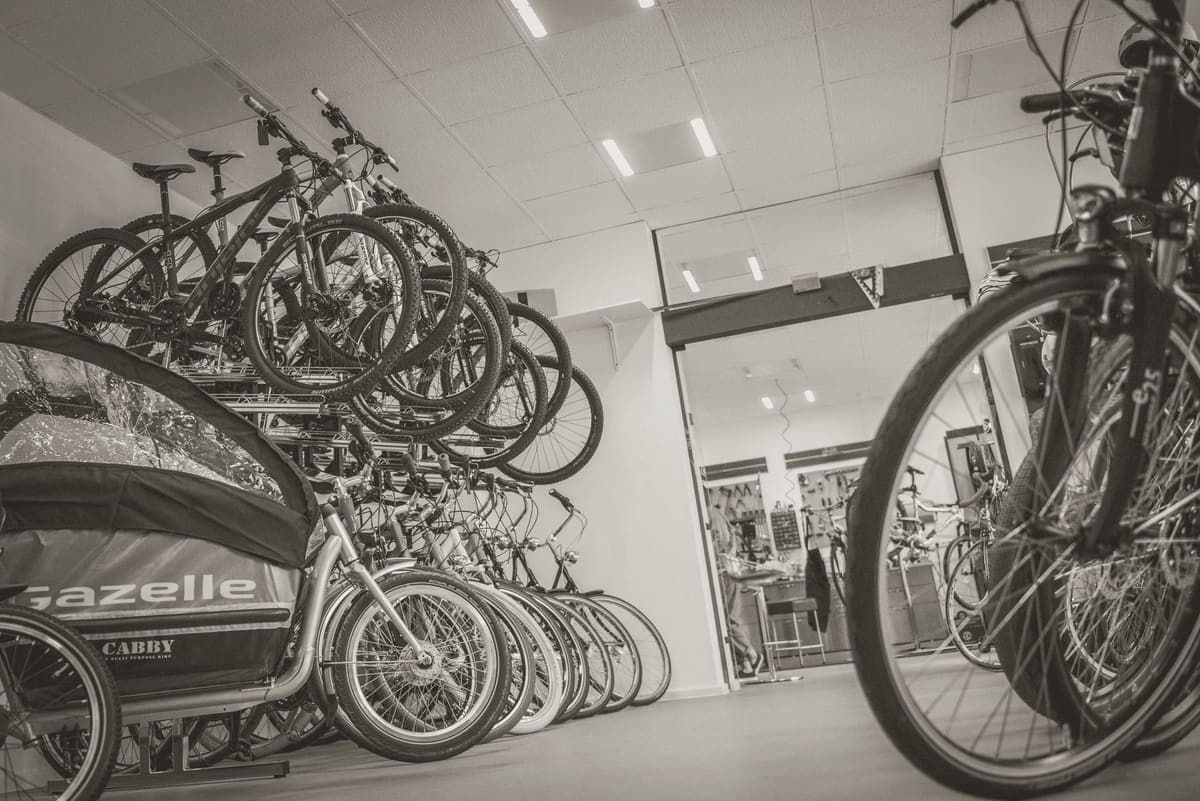
Bike Storage and Security
Most bikes are stolen at home, not out in the world. Where to keep one in an apartment, and the free ten minutes that decides whether you get it back.
How to Assemble a Boxed Bike
Your bike arrives about 85% built. Here is the other 15%, in order, with the four checks that decide whether it is safe to ride down the street.
Bike Fit Basics
Four adjustments, in order, that turn a correctly sized bike into a comfortable one. No lasers, no appointment, and no money.
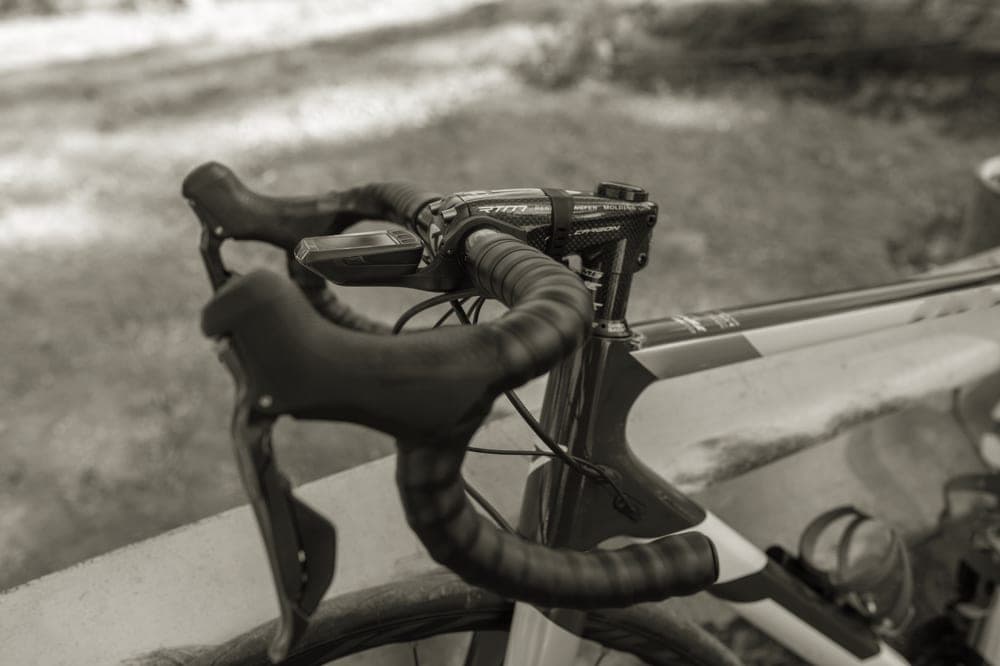
Bike Geometry Explained
The table of numbers on every spec sheet, translated - and which two of them actually decide whether a bike fits you.
Gravel Bike Tire Width
How wide to go, how to find out what your frame will actually take, and why the number on the sidewall is not always the width you get.
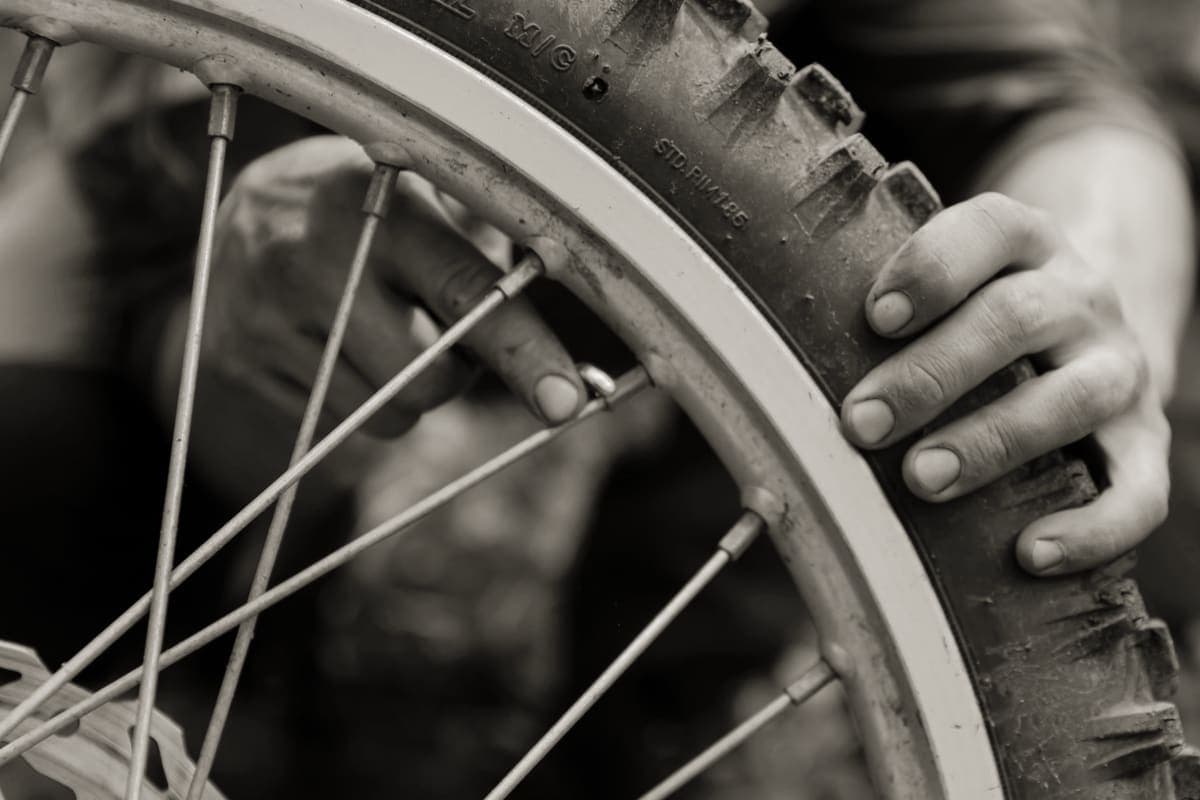
How to Set Up Tubeless Tires
The conversion start to finish: what you need, what actually seals a tire, and the two failure points that make first attempts take all afternoon.
When to Replace a Bike Chain
A chain is the cheap part that protects the expensive parts. Measure it, replace it on time, and one purchase does not turn into three.
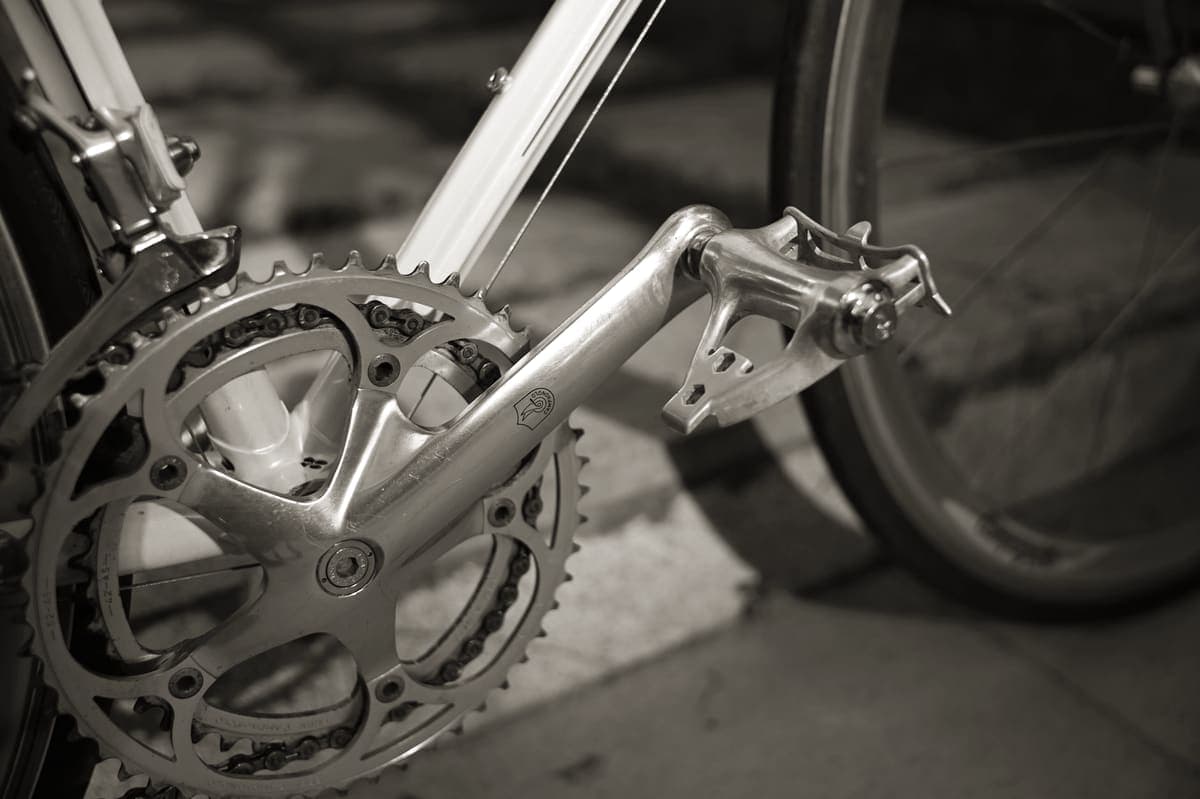
Crankset and Chainrings Explained
What 50/34 means, why compact is not a size, and how to read the front of a drivetrain when a listing gives you two numbers and no explanation.
How Much Should a Bike Weigh?
What a good weight actually is for a first bike, why so few budget listings publish one, and how much a kilogram is really worth to you.
What to Bring on a Bike Ride
Five things that fit in a saddle bag and turn a walk home into a twenty-minute delay - plus what to add as the rides get longer.
Cycling Road Rules and Hand Signals
The three signals written into state law, where to ride in the lane, and the most dangerous piece of road most beginners ride in without knowing it.

Bike Commuting for Beginners
Turning a drop-bar bike into transport: what to add, what to change about how you ride, and the three problems that stop people after two weeks.
Road Bike Tire Pressure for Beginners
The number on the sidewall is a limit, not an instruction. A manufacturer's starting table by rider weight, why 28mm changed the answer, and how to find your own pressure in one ride.
Can You Ride a Road Bike on Gravel?
Yes, within limits, and the limit is a measurement you can take in thirty seconds. Which surfaces are fine, which tire to fit, and the point where a second bike stops being a luxury.
How Much Does a Bike Shop Charge to Assemble a Bike?
Five real shop menus, read on one day and quoted with the date: what a boxed-bike build costs, what a safety check costs instead, and when doing it yourself is the wrong saving.
Gravel Bike Handlebars Explained
Width, flare, reach and drop in plain English, how to work out what is on your bike now, and the one measurement that stops a new bar being an expensive mistake.
How to Wash a Bike
The order to do it in, the two places where water and degreaser do real damage, and why the last five minutes matter more than the first twenty.
Cycling in the Rain
What changes when the road is wet — braking, cornering, tire pressure and being seen — plus the ten minutes afterwards that prevent most of the damage.
Why Your Bike Saddle Hurts
Four free adjustments to try before you buy anything, how to tell which kind of pain you have, and the one symptom that means change something today.
Bike Tire Sizes Explained
What 700x28c, 28-622 and 650b actually mean, how to read the numbers already on your tire, and the two checks that decide whether a tire will fit your bike.
Zwift Setup for Beginners
What a first indoor setup actually needs, in the order it matters: the trainer, the thing that reads your speed, the screen, and the two cheap items everybody forgets.
How Long Do Bike Tires Last?
The only published mileage ranges we could find from a tire manufacturer, the wear limit that ends the argument, and the four signs it is time regardless of distance.
Bike Gearing for Hills
Whether your bike has a low enough gear for the hill you keep walking up, worked out with arithmetic you can check, and the cheapest way to get a lower one.
Cycling in Hot Weather
Why humidity decides a hot ride more than temperature, the acclimatization rule worth borrowing from OSHA, and the warning signs that mean stop now.
How Long Does It Take to Bike 10 Miles?
The arithmetic, shown, for every speed between 8 and 18 mph — plus the four things that change it more than fitness does, and why we will not publish an average.
Why Your Bike Tire Keeps Going Flat
Five causes and the symptom that identifies each one: the rim tape and valve failures people miss, the pressure problem a puncture belt cannot fix, and when the tire itself is finished.
Why Is My Bike Creaking?
A creak is information. What it correlates with — pedaling hard, sitting down, braking, bumps — narrows it to one or two parts before you touch a tool.
How Long Does a Bike Last?
Nobody publishes a lifespan for a bicycle. What manufacturers do publish is a wear limit per part, so the honest answer is a parts list rather than a number of years.
How to Remove Rust From a Bike
Which parts actually rust and which only look like it, the chain procedure in order, and the measurement that decides whether a rusty chain is worth cleaning at all.
Starting Cycling in Your 50s and 60s
Two decisions do most of the work: how upright you sit and how low your lowest gear is. An equipment guide, with no training plans and no health claims.
Where to start
If you are at the very beginning, read these in order and you will have made every decision by the end:
- What is a gravel bike? — the category most first-time buyers end up in, defined in one paragraph.
- How to choose your first drop-bar bike — six questions in order that take you from “I want a bike” to a specific model.
- What size do I need?— the only decision you cannot undo later. Do this one properly.
- Groupsets explained — what Claris, Sora and Tiagra actually mean, and how much they should change your decision.
- Is a gravel bike worth it? — including the specific case where the honest answer is no.
- The jargon glossary— keep it open in a tab while you shop.
Once the bike has arrived
The guides above are for choosing. These are for the first month afterwards, when the questions change from “which bike” to “why is it doing that”.
- How to pump up bike tires — the brass nut on a Presta valve defeats more beginners than anything else on a bicycle.
- How to fit a bike helmet — four checks, two minutes, and most helmets are worn wrong.
- What to wear cycling— a temperature-by-temperature answer, assuming you own none of it.
- How to clean and lube a chain — twenty minutes that decides how long the drivetrain lasts.
- How to adjust bike brakes — rubbing, squealing, or a lever that reaches the bar. Three problems, three fixes.
- First gravel bike upgrades — in the order they are worth doing, and the four to skip.
- How long bike tires last — the only published mileage ranges we could find, and the wear limit that ends the argument.
- Bike gearing for hills — whether your lowest gear is low enough, with arithmetic you can check.
- Cycling in hot weather — why humidity decides a hot ride, and the warning signs that mean stop.
- Zwift setup for beginners — what a first indoor setup actually needs, including the cheap route.
- How long it takes to bike 10 miles — every speed from 8 to 18 mph, and why we publish no beginner average.
- Why your tire keeps going flat — five causes, and the symptom that tells you which one you have.
- Why is my bike creaking? — diagnosis by what the noise correlates with, before you touch a tool.
- How to remove rust from a bike — which parts rust, which only look like it, and when a chain is scrap.
- How long a bike lasts — the published wear limit for every part that wears, since nobody publishes a lifespan.
- Starting cycling in your 50s and 60s — position and bottom gear, which are the two decisions you cannot easily undo.
The rule these pages are written to
Every page on this site is measured against one test: could someone who has never owned a drop-bar bike read this start to finish and act on it, without opening a second tab to look up a word? If not, the page is not finished.
In practice that means the plain word comes first and the technical term second, always. “The gears — the groupset, in bike-shop language — are the part you will notice most”, never “the groupset is Shimano Sora, a 2x9 setup”. It means table headers say “Tire room” rather than “clearance”. And it means that the first time a page uses a term like cassette or tubeless, it either explains it inline in one sentence or links here.
Why the vocabulary is like this
It is worth knowing that none of this is designed to exclude you. Bike terminology is old, it is largely descriptive, and most of it made obvious sense at the moment it was coined. A groupset is literally a set of components sold as a group. A cassette is the cassette of sprockets that slots onto the rear wheel. 700c is a French wheel measurement from the era before standardization, which is why it is a strange number.
The problem is not that the words are difficult. It is that everyone using them forgot there was ever a time they did not know them. That is a normal thing for an enthusiast community to do, and it is the reason a page like the glossary is one of the most useful things on this site.
What these guides will not do
They will not tell you a bike rides beautifully, because we have not ridden it. They will not give you a fit — a proper bike fitting is a professional service and worth paying for if something hurts after a few weeks. And they will not pretend a specification is published when it is not: how we pick covers where every number on this site came from and what we do when there is no number to be had.
Questions people actually ask
What is a groupset in cycling?
The gears, shifters, brakes, chain and cranks, sold as a matched set by one manufacturer. When a listing says 'Shimano Claris 24 speed', Claris is the groupset. It is the single most informative thing in a bike listing, because it tells you both the quality tier and whether a bike shop can service it with parts they already stock.
What size bike do I need for my height?
Start from the manufacturer's own chart, because sizing is not standardized across brands. As a worked example, Tommaso lists 5'6"-5'8" as size S, 5'8"-5'11" as M and 5'11"-6'2" as L. If you fall between two sizes, size down — a slightly small frame adjusts upward via the seat post and stem, and a frame that is too big cannot be fixed.
What does 700c mean?
The wheel diameter used on almost every road and gravel bike. It is a leftover from an old French sizing system, which is why the number looks arbitrary. In the modern unambiguous standard it is a 622mm rim. A tire written as 700x40c is 40mm wide on that rim, which the same standard writes as 40-622.
What is the difference between 1x and 2x gearing?
The number of chainrings at the front. A 1x ('one-by') has a single front chainring: simpler, lighter, nothing to mis-shift, and no front shifter to learn. A 2x has two, giving a wider total gear range — which matters if you live somewhere genuinely hilly. For a first bike either is fine; 1x is one less thing to think about.
Do I need to know all this to buy a bike?
No, but knowing four things will stop you buying badly: your frame size, what groupset is on the bike, what tire width it clears, and what brakes it has. Those four decide almost everything about how the bike will feel and whether a shop can look after it. Everything else on these pages is useful context rather than a requirement.
Sources
Specifications come from the manufacturer or the retailer listing, dated. Where a figure is not published, we say so rather than estimating it.
- Shimano — Component product list — Shimano's own component lineup, from which the road groupset hierarchy is read (accessed July 23, 2026)
- Shimano — A guide to 1x and 2x gearing setups for gravel — Manufacturer explanation of one-chainring versus two-chainring drivetrains (accessed July 23, 2026)
- Schwalbe — Tire sizes and the ETRTO designation — How the 40-622 style ETRTO number maps to '700 x 40c' (accessed July 23, 2026)
- Tommaso — Imola road bike product page and size chart — The manufacturer's own frame size to rider height table, read directly from the listing (accessed July 23, 2026)