Gear
The helmet, shoes, shorts and tools you need alongside the bike — what to buy first, what can wait, and what you can skip entirely.
The most expensive mistake in this whole category is spending the entire budget on the bike. A bike on its own is not a rideable setup, and the person who spends $900 on a bike with nothing left for shorts rides uncomfortably twice and then stops.
The gear here is not accessorizing. A helmet, a floor pump and a pair of padded shorts are the difference between a bike you ride all summer and a bike in the garage. Everything on these pages carries a live price and an honest note about who should skip it.
Everything in Gear
First-Bike Starter Kit: What You Actually Need
Twelve things to buy alongside your first bike, in priority order, with what each one costs today.
Our top pick
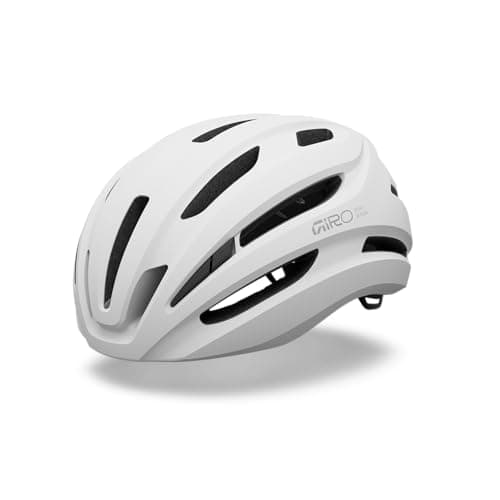
Giro Isode MIPS II
$79.95 · View on AmazonPrice as of October 21, 2026. #ad How we’re funded
Best Cycling Helmets
Six helmets compared on the one feature worth paying for, plus what the federal safety standard actually guarantees.
Our top pick
Giro Isode MIPS II
$79.95 · View on AmazonPrice as of October 21, 2026. #ad How we’re funded
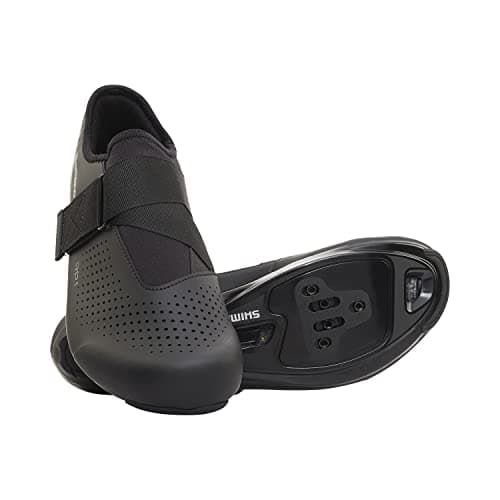
Best Cycling Shoes
Clip-in shoes explained without the jargon: which cleat pattern, which shoe, and why walkability matters more than stiffness at first.
Our top pick
Shimano SH-RP101
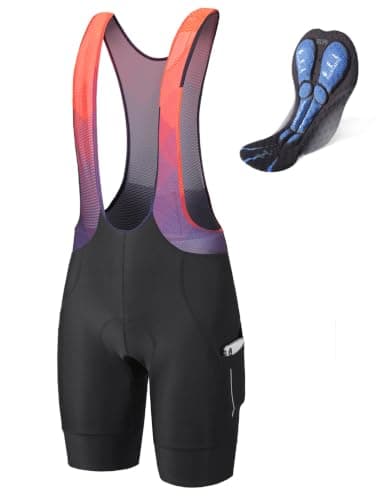
Best Cycling Shorts and Bibs
The single most effective comfort purchase you can make, and the bib-versus-waist decision explained properly.
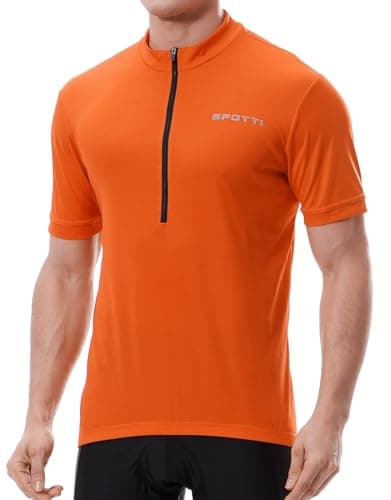
Best Cycling Jerseys
Three rear pockets is the entire functional argument for a jersey. Here is which ones confirm they have them.
Our top pick
Spotti Men's Short Sleeve Jersey
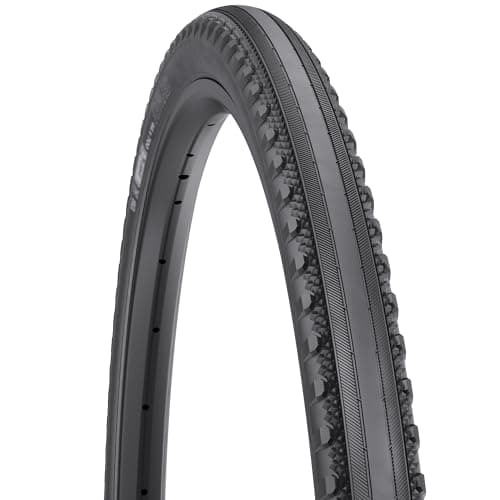
Best Gravel Bike Tires
Tread pattern, width and what the numbers on the sidewall mean — plus five tires matched to five kinds of ground.
Our top pick
WTB Byway 700 x 44
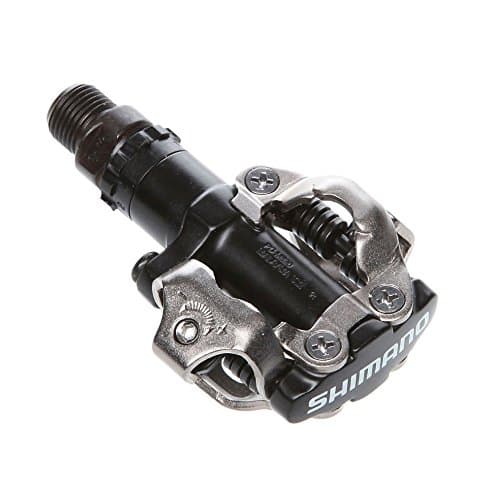
Best Bike Pedals for Beginners
Whether to clip in at all, and the pedal that lets you decide later rather than now.
Our top pick
Shimano PD-M520
$60.00 · View on AmazonPrice as of October 21, 2026. #ad How we’re funded
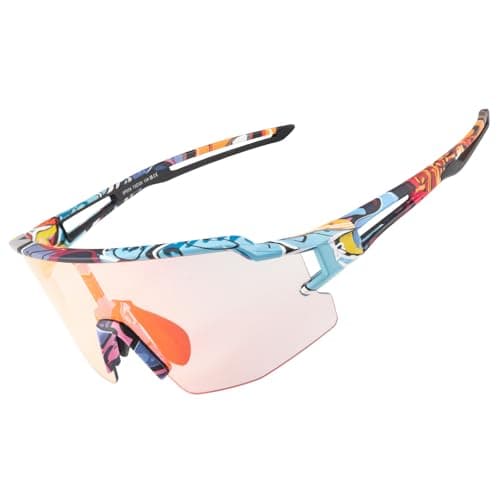
Best Cycling Sunglasses
Eye protection first, sunglasses second — grit and insects arrive at 18mph. Six pairs, including two that work at dawn and dusk.
Our top pick
Rockbros Photochromic Sports Sunglasses
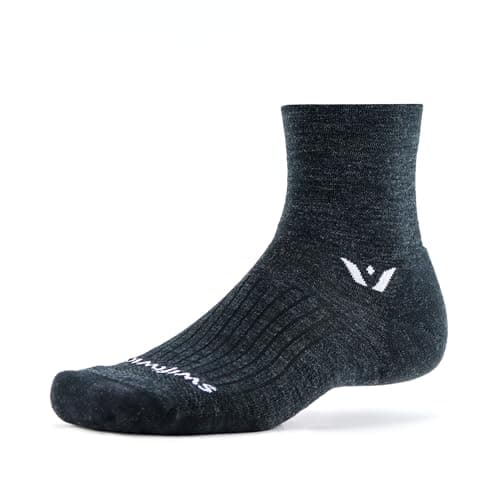
Best Cycling Socks
Why the sock inside a stiff cycling shoe is a different problem from any other sock, and six that solve it.
Our top pick
Swiftwick Pursuit Four
$20.00 · View on AmazonPrice as of October 21, 2026. #ad How we’re funded
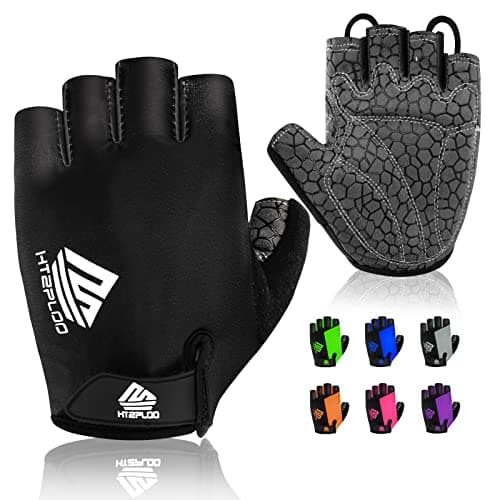
Best Cycling Gloves
Hand numbness is the most common first-season complaint and gloves are the fix. Half-finger, full-finger and winter, compared.
Our top pick
HTZPLOO Half-Finger Cycling Gloves
$19.99 · View on AmazonPrice as of October 21, 2026. #ad How we’re funded
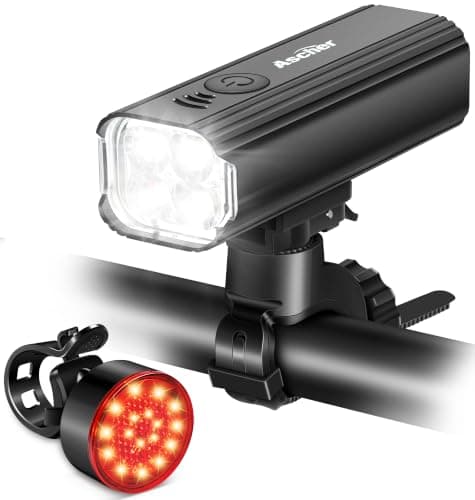
Best Bike Lights
The difference between being seen and being able to see, what the reflector law does not cover, and six sets with live prices.
Our top pick
Ascher 1000 Lumen Light Set
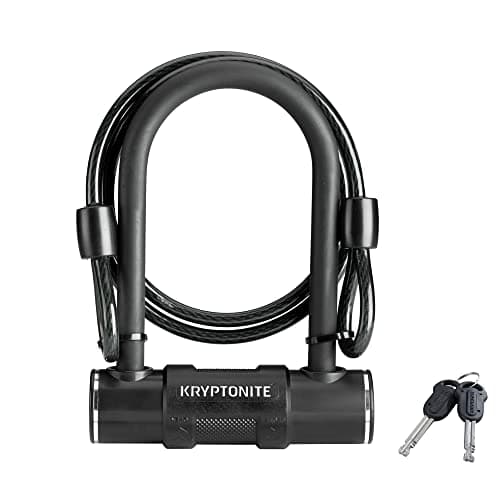
Best Bike Locks
Match the lock to the risk, not to the bike. What the security ratings mean and which lock belongs where.
Our top pick
Kryptonite Parkview U-Lock
$23.00 · View on AmazonPrice as of October 21, 2026. #ad How we’re funded
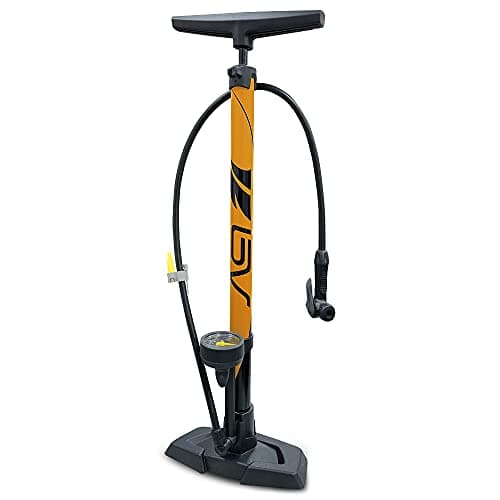
Best Bike Floor Pumps
The most under-rated purchase in cycling. Six pumps, the valve trap that defeats beginners, and when you need a charger pump.
Our top pick
BV Ergonomic Floor Pump
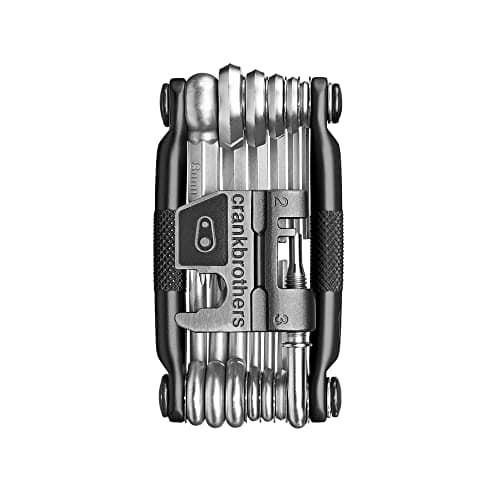
Best Bike Tool Kit for Beginners
Seven tools in the order they earn their place, from the multi-tool that lives in your bag to the stand you buy last.
Our top pick
Crankbrothers Multi-Tool M19
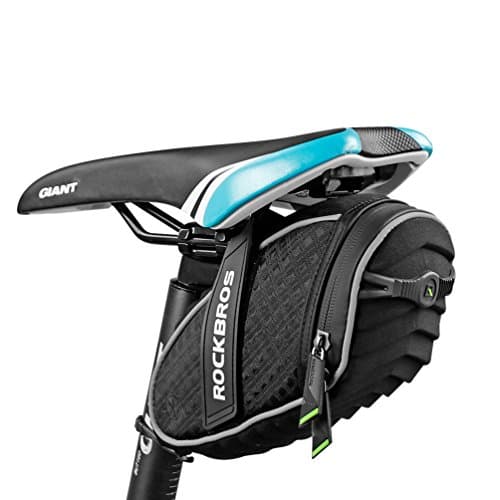
Best Bike Bags and Bikepacking Bags
Where to put your stuff when the bike has no rack mounts — saddle bags, frame bags, handlebar rolls and panniers compared.
Our top pick
Rockbros Under-Seat Saddle Bag
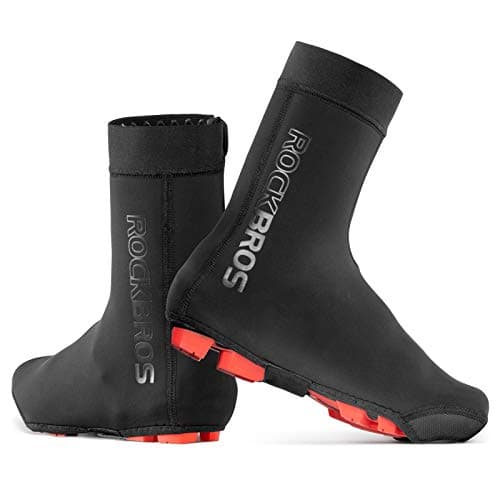
Best Cold-Weather Cycling Gear
Six pieces in the order they stop you giving up on winter, starting with the two that cost under $35 between them.
Our top pick
Rockbros Winter Cycling Shoe Covers
$25.99 · View on AmazonPrice as of October 21, 2026. #ad How we’re funded
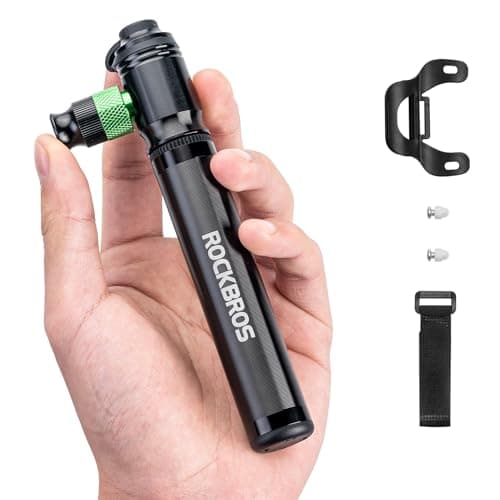
Best Cycling Gifts Under $50
Seven things a cyclist genuinely uses, none of which require knowing their size, their bike or their measurements.
Our top pick
Rockbros Mini Pump with CO2 Inflator
$24.99 · View on AmazonPrice as of October 21, 2026. #ad How we’re funded
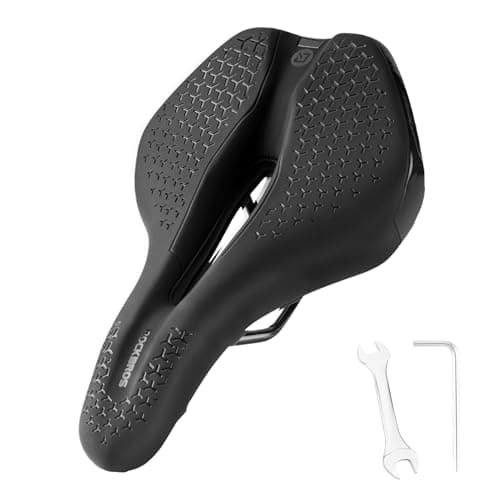
Best Bike Saddles for Beginners
The number one reason people stop riding, and why the wide soft seat you instinctively want usually makes it worse.
Our top pick
Rockbros Wave Ergonomic Comfort Saddle
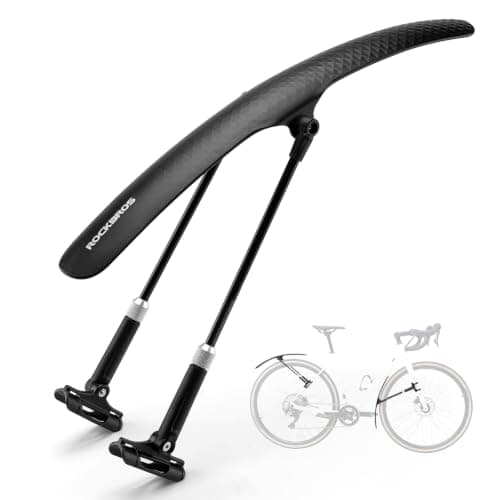
Best Bike Fenders and Mudguards
One question decides this whole category, and it is not price: does your frame have mounting eyelets? Five sets sorted by that answer.
Our top pick
Rockbros Adjustable Detachable Fenders, 700C
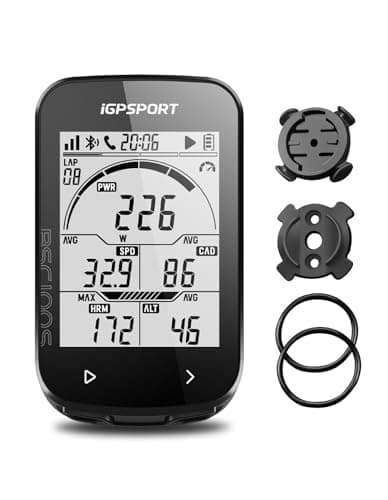
Best Cycling Computers for Beginners
Your phone already records rides for free. Here is the honest case for a dedicated computer anyway, and five that earn it.
Our top pick
iGPSPORT BSC100S GPS Bike Computer
$34.99 · View on AmazonPrice as of October 21, 2026. #ad How we’re funded
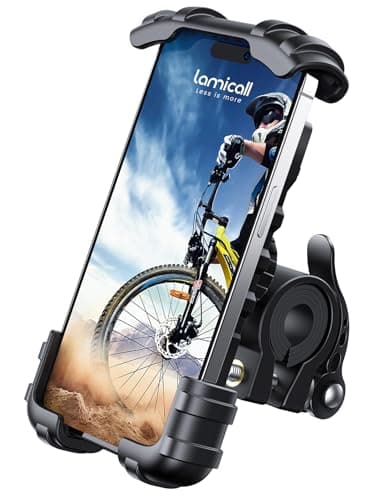
Best Bike Phone Mounts
Where the phone goes on a drop-bar bike, which clamps actually hold over potholes, and when to leave it in your pocket instead.
Our top pick
Lamicall Bike Phone Holder
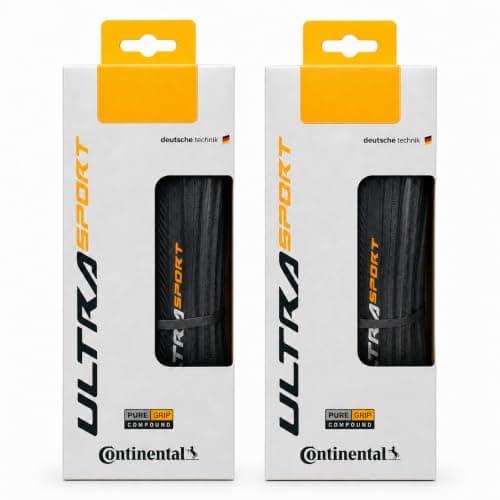
Best Road Bike Tires
The upgrade that changes how a cheap road bike rides more than any other part - and the one you have to buy again anyway.
Our top pick
Continental Ultra Sport III 700x28 (pair)
$57.00 · View on AmazonPrice as of October 21, 2026. #ad How we’re funded
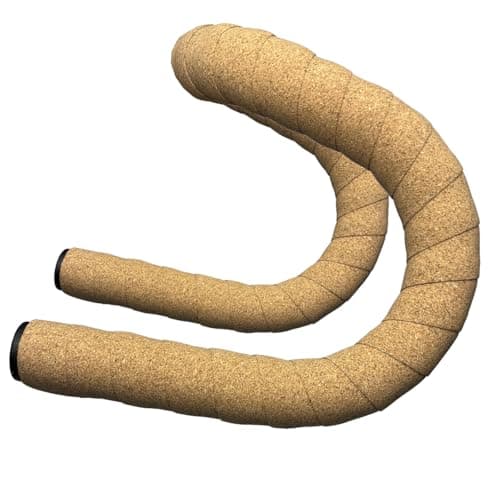
Best Bike Bar Tape
The cheapest part of a drop-bar bike that changes how it feels in your hands, and the only component you are meant to throw away.
Our top pick
TIANXON Cork Handlebar Tape
$12.99 · View on AmazonPrice as of October 21, 2026. #ad How we’re funded
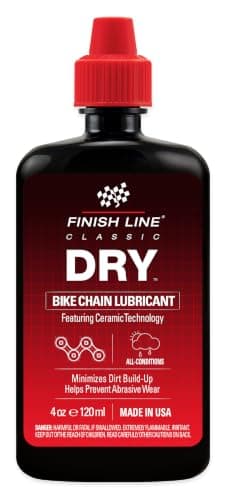
Best Bike Chain Lube
A five-dollar bottle decides whether your drivetrain lasts one season or three. Wet or dry, how often, and why the degreaser matters more.
Our top pick
Finish Line Dry Ceramic Chain Lubricant
$11.99 · View on AmazonPrice as of October 21, 2026. #ad How we’re funded
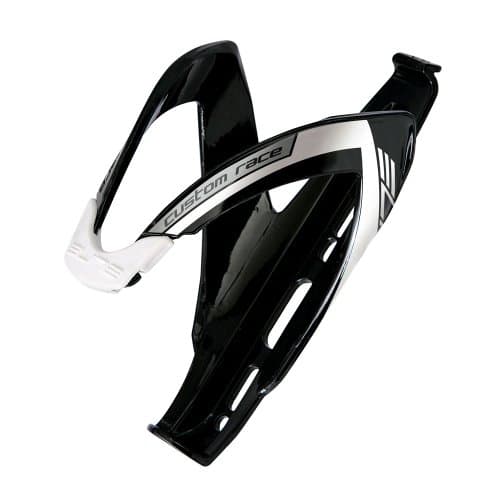
Best Bike Water Bottles and Cages
Your frame already has the mounting holes. Here is what to bolt into them, and why drinking from a backpack is the harder way to do this.
Our top pick
Elite Custom Race Bottle Cage
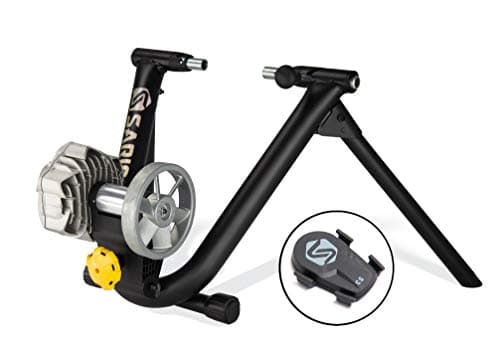
Best Indoor Bike Trainers for Beginners
A trainer is a stand your own bike clamps into, not an exercise bike. Five of them plus the two things nobody tells you to order alongside.
Our top pick
Saris Fluid2 Smart Equipped
$169.99 · View on AmazonPrice as of October 21, 2026. #ad How we’re funded
Best Gravel Bike Tires for Pavement and Mixed Roads
If your gravel bike lives mostly on tarmac, the knobbly tires it came with are the wrong tool. Six tires for mostly-paved riding, from a smooth-center 44mm to a proper road 28mm, with live prices.
Our top pick
WTB Byway 700 x 44
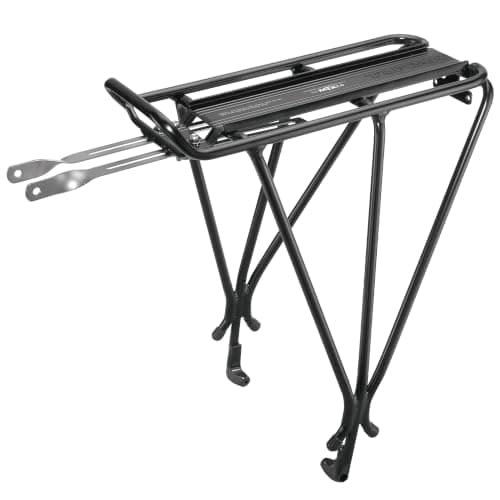
Best Bike Racks and Panniers
A rack is a fitment problem before it is a shopping problem. Four racks and three bags for carrying a laptop, groceries or a change of clothes on a first bike, including the one rack that fits a frame with no eyelets.
Our top pick
Topeak Explorer Disc Rack MTX 2.0 (without spring)
$67.95 · View on AmazonPrice as of October 21, 2026. #ad How we’re funded
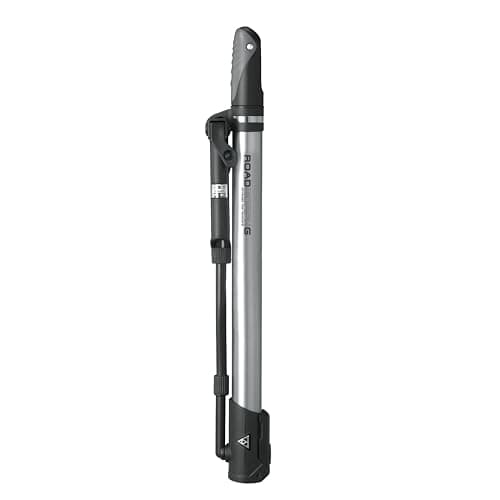
Best Mini Bike Pumps and CO2 Inflators
The tool that decides whether a flat is a ten-minute stop or a two-hour walk. Six ways to put air in a tire at the roadside, and why the head matters far more than the pressure number.
Our top pick
Topeak Road Morph G
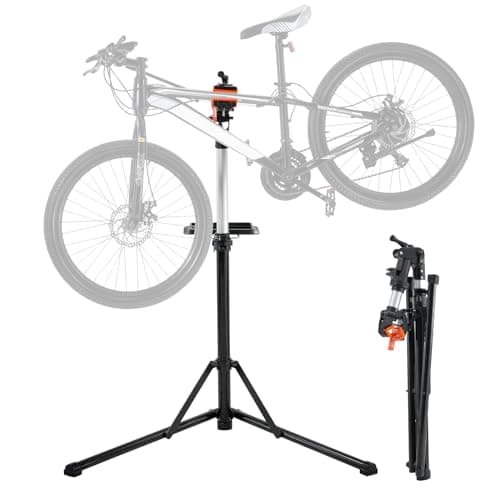
Best Bike Repair Stands for Home Use
A stand is bought for two jobs: gears and brakes. Five stands from $24 to $280, what the published load ratings are worth, and the clamp mistake that costs more than the stand.
Our top pick
VEVOR Bike Repair Stand (66 lb)
$62.91 · View on AmazonPrice as of October 21, 2026. #ad How we’re funded
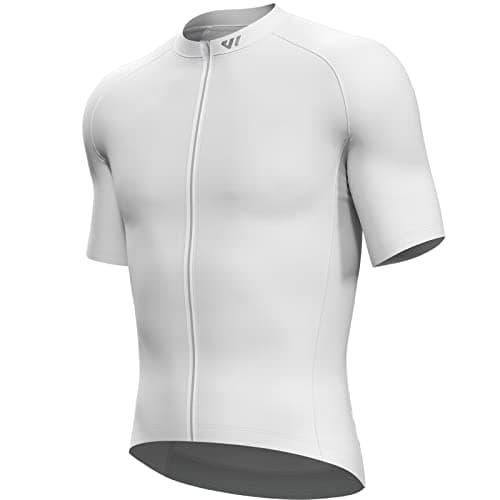
Best Hot Weather Cycling Gear
The summer half of the kit list: what actually makes a 90-degree ride bearable, which published features do the work, and the four things nobody's listing tells you.
Our top pick
Lo.gas Men's Full-Zip Jersey
$32.99 · View on AmazonPrice as of October 21, 2026. #ad How we’re funded
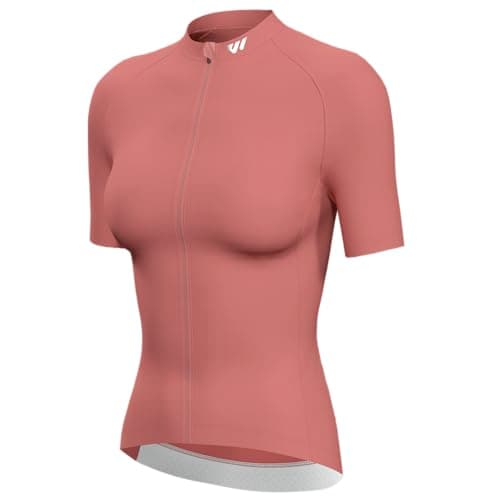
Best Women's Cycling Gear for Beginners
Six pieces of women's-specific kit with live prices, and an honest line about where women's-specific stops mattering and sizing takes over.
Our top pick
Wulibike Women's Short Sleeve Jersey
$33.99 · View on AmazonPrice as of October 21, 2026. #ad How we’re funded
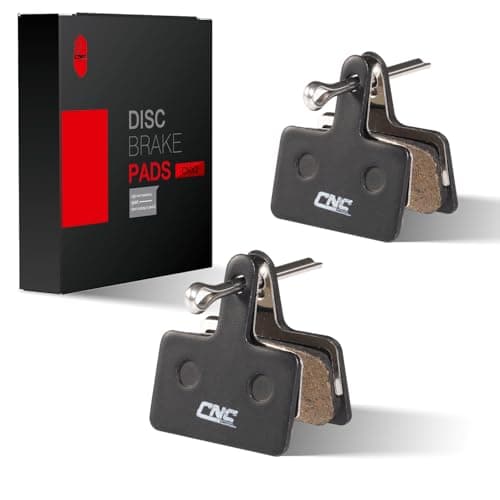
Best Bike Brake Pads
Four pads for under $20, split the way the decision actually splits: disc or rim first, then compound. The pattern mistake that makes the right pad the wrong part.
Our top pick
Eastern Power B01S/B03S/B05S Resin Disc Brake Pads
$9.88 · View on AmazonPrice as of October 21, 2026. #ad How we’re funded
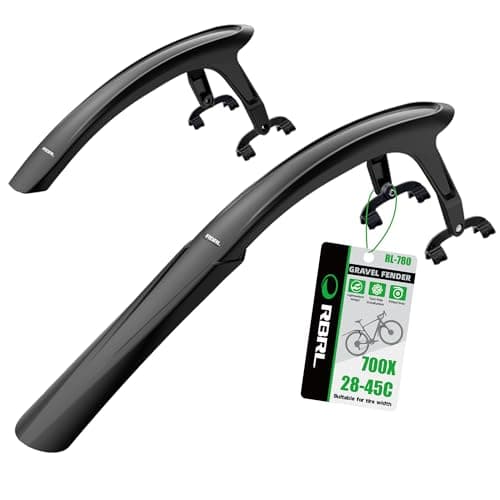
Best Wet Weather Cycling Gear
Rain gear for a bike is not a coat: fenders with a published tire-width range, an IP67-rated light, a 3mm puncture belt and pads that still stop you. Plus the honest reason there is no rain jacket on it.
Our top pick
RBRL Quick Release Gravel and Road Fender Set
$36.99 · View on AmazonPrice as of October 21, 2026. #ad How we’re funded
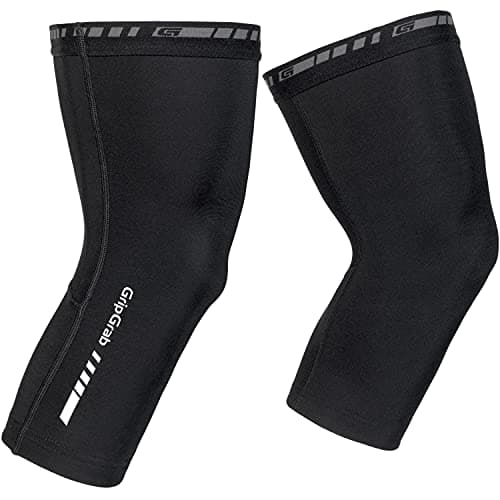
Best Cycling Arm and Leg Warmers
The cheapest way to make summer shorts and a short-sleeve jersey work from 40F to 75F - compared on grippers, insulation level, sun rating and reflectivity.
Our top pick
GripGrab Classic Winter Knee Warmers
$29.95 · View on AmazonPrice as of October 21, 2026. #ad How we’re funded
Buy in this order
If the budget is tight, this is the sequence. Each thing on the list solves a problem that would otherwise stop you riding.
- A helmet. Non-negotiable, and every helmet sold in the US has to meet the same federal standard, so a cheap certified helmet that fits is safer than an expensive one that does not. The one feature worth paying up for is a rotational protection layer.
- A floor pump with a gauge. Road and gravel tires lose pressure every few days, and riding on soft tires is slow, uncomfortable and the most common cause of punctures.
- Padded shorts. The single most effective comfort purchase available. Most people who conclude that cycling is uncomfortable have simply never worn a pair.
- Lights, a spare tube and a multi-tool. Roughly $40 together, and they are the difference between a puncture being a ten-minute stop and a two-hour walk — which is also the job of a mini pump or CO2 inflator, the one thing in that list people forget. Add a lock if the bike is ever left outside.
- A jersey. Three rear pockets is the entire functional argument. That is where your phone, keys, snacks and spare tube go when you have no bag.
- Pedals and shoes. Deliberately last. Clipping in is a real efficiency gain, but it is an optimization, and it is genuinely fine to spend your first season on flat pedals in trainers.
What you can skip, at least for now
- A bike computer. Your phone already records rides, for free, better. Buy one when you want the data on the handlebars rather than in your pocket.
- Clip-in shoes, in your first month. Learn to ride the bike first. Adding “my feet are attached to it” on week one is a lot.
- A second set of wheels. A second set of tires gets you most of the same versatility for a fraction of the cost.
- Anything carbon. Carbon bottle cages, carbon handlebars. On a first setup these are pure cost.
The cheap things that fix specific complaints
Three purchases under $25 each solve the three complaints new riders raise most often, and none of them are obvious until you have had the problem.
- Gloves for numb hands after an hour on drop bars.
- Cycling sunglasses for grit and insects, which arrive at eye height at 18mph.
- Proper socks for a sock that creeps down inside a stiff shoe and bunches under the arch.
When the weather turns, cold-weather gear follows the same logic — the cheapest items on that page do the most, because winter cycling is an extremities problem. For the days when the answer is not more clothing, a repair stand is the purchase that makes gear and brake work possible at home rather than miserable, and an indoor trainer is a stand your own bike clamps into. And if you are buying for someone else, gifts under $50 is filtered for things that do not need a size.
The other two seasonal lists on this hub are newer. Summer is a ventilation problem rather than an insulation one, so the hot-weather page is shorter and leads on a jersey you can fully unzip and a bottle that stays cold. For a rider buying women’s-specific kit, the women’s beginner page is explicit about which two items the label earns its money on. And the cheapest page here by a distance is brake pads — four of them under $20, split disc-or-rim first.
Rain is its own list, and it is mostly not clothing: wet-weather gear leads on fenders, because almost all the water that soaks a cyclist comes off their own wheels, and on a light that publishes a water rating rather than only a lumen figure. It is also the page that explains why there is no rain jacket on this site.
The cheapest way to stretch the kit you already own is arm and leg warmers — a pocketable layer that turns summer shorts and a short-sleeve jersey into kit that works from about 40F to about 75F. That page is ranked on the one detail that decides whether a warmer is worth owning, which is whether its listing states a silicone gripper, and it records the finding that the most expensive leg warmer in the category publishes the least about itself.
Buying for someone else, or buying in the autumn
Everything on this hub is written for the rider. If you are shopping for a cyclist and do not ride yourself, the gifts section re-sorts the same products by who they are for — a new cyclist, a gravel rider, a commuter — and by budget, with a note on each about what to check before you buy. And if you are deciding whether to hold off until Black Friday, the deals page has last November’s records: trainers discounted deeply, helmets barely, and almost nothing in the starter kit is worth waiting for.
Where the sizing traps are
Cycling clothing runs small — often two sizes smaller than you would buy on the high street, because it is cut to fit closely in a riding position rather than standing up. Read the manufacturer’s size chart every single time, and do not assume consistency between brands.
Shoes have a second trap: the cleat pattern. There are two systems, the two-bolt pattern (recessed into the sole, walkable) and the three-bolt road pattern (protruding, efficient, awkward on foot). They do not mix, and the pedals must match the shoes. The shoes page explains it properly before you spend anything.
On prices here
Every price on these pages comes straight from Amazon and is stamped with the date it was checked. Prices expire on their own after 48 hours — if the daily refresh fails, the number disappears and the button falls back to “Check price” rather than quietly showing you something out of date. There is no field anywhere in this site’s data model that can hold a hand-typed price, which is a structural guarantee rather than a promise. How we pick covers the rest.
Questions people actually ask
What gear do I actually need to start cycling?
A helmet, a floor pump with a gauge, padded shorts, front and rear lights, a spare inner tube with tire levers, and a multi-tool. That is roughly $150 to $250 depending on choices, and it covers safety, comfort and not being stranded. Everything else is an optimization you can add later.
How much should I budget for gear on top of the bike?
Plan on $150 to $250 for the essentials, and treat it as part of the bike's price rather than an extra. The most common expensive mistake in this category is spending the whole budget on the bike and having nothing left for the shorts and pump that make it rideable.
Do I need special cycling shoes?
No. Flat pedals and ordinary trainers work perfectly well and plenty of people ride that way permanently. Clipping in is more efficient on climbs, but it is an optimization with a learning period attached — including falling over at a standstill at least once. Buy it when the bike itself has stopped being the new thing.
Are expensive helmets safer than cheap ones?
Not in the way people assume. Every bicycle helmet sold in the US must meet the same federal impact and strap-retention standard, so a $30 certified helmet passes the same test as a $250 one. What more money buys is ventilation, lower weight, better fit adjustment, and rotational protection layers such as MIPS. A cheap helmet that fits properly beats an expensive one that does not.
What size cycling clothing should I buy?
Check the manufacturer's chart every time, and expect to be a size or two larger than your usual high-street size. Cycling kit is cut to fit closely in a riding position, not standing up, and sizing varies significantly between brands — especially between US and Asian-market labels.
Sources
Specifications come from the manufacturer or the retailer listing, dated. Where a figure is not published, we say so rather than estimating it.
- U.S. CPSC — Bicycle Helmets FAQ — CPSC consumer guidance on the federal bicycle helmet standard and what certification means (accessed July 23, 2026)
- U.S. CPSC — Bicycle Helmets business guidance (16 CFR Part 1203) — The federal safety standard every helmet sold in the US must meet, including strap-retention testing (accessed July 23, 2026)
- Mips — Helmet technology: how it works — Mips's own description of the low-friction layer and rotational motion (accessed July 23, 2026)
- Schwalbe — Tire sizes and the ETRTO designation — How the 40-622 style ETRTO number maps to '700 x 40c' (accessed July 23, 2026)