Six pieces in the order they stop you giving up on winter — starting with the two that cost under $35 between them and fix the two places you actually get cold.
Start with the shoe covers and the helmet liner. Together they cost about $35 and they fix the two places you actually get cold — feet and ears — while a jacket fixes a place you mostly do not. That ordering is counterintuitive and it is the single most useful thing on this page.
The reason is simple. Riding generates a lot of heat in your torso and legs. What it does not generate is heat in your fingers, toes and ears, and those are also the parts with the least insulation and the most exposure to a 15mph wind you are creating yourself. Winter cycling is an extremities problem.
How this is funded: we earn a commission if you buy through our links, at no extra cost to you. It never changes which bike we recommend, and we will tell you plainly when we would skip one. Full disclosure.
Quick picks
Ranked on published specs, what the listing does and does not tell you, and who each one actually suits. Select a row to jump to the full write-up. We have not ridden these — here is exactly what we do instead.
#
Bike or gear
Best for
Price
1
Rockbros Winter Cycling Shoe Covers
Cycling shoes are full of ventilation holes, which is exactly right in July and a design flaw in January. Shoe covers seal them, and they are the highest-impact twenty-five dollars in winter cycling clothing.
Helmets are vents held together by foam, and a ten-dollar fleece cap under one is the cheapest meaningful upgrade in cold-weather cycling. Cold ears are the specific complaint it fixes.
Windproof is the specification that matters in winter, and it is the one budget gloves quietly omit. At 15mph your own speed is the wind, and a thermal glove without a windproof membrane loses that argument every time.
Padded shorts and thermal tights in one garment, which is how winter cycling clothing should work — layering shorts under leggings creates seams in exactly the places you do not want them.
A windproof, thermal, cycling-cut jacket at a price where trying winter riding does not require committing to it. The cut is the part a running jacket gets wrong: longer at the back, shorter at the front, sleeves cut for reaching forward.
Fleece-lined and windproof, and sold for hiking as much as cycling — which is either a compromise or a feature depending on whether you want one jacket or two.
Cycling shoes are full of ventilation holes, which is exactly right in July and a design flaw in January. Shoe covers seal them, and they are the highest-impact twenty-five dollars in winter cycling clothing.
Who it is for: Anyone whose feet go numb after twenty minutes in the cold.
What is good
+Blocks the vents that make cycling shoes cold, which socks alone cannot
+Windproof and water resistant, covering the two ways feet get cold
+Fits over clipless shoes with cutouts for cleat and heel
+Cheap relative to how much difference warm feet make
What you give up
−Water resistant, not waterproof — heavy rain eventually wins
−The cleat cutout wears through where it drags on the ground
−Sizing is by shoe size and runs tight over bulkier shoes
Skip this if. Skip this if you ride in trainers on flat pedals. Ordinary shoes are not ventilated the way cycling shoes are, and a thicker sock solves the same problem for a fraction of the price.
Published specifications for the Rockbros Winter Cycling Shoe Covers
Windproof
Yes
Water resistant
Yes
Cleat cutout
Yes
Waterproof
No
Temperature rating
Not published
Specifications read from the retailer listing on August 11, 2026. “Not published” means the listing does not state that figure — we do not estimate it.
#2Buy second: warm ears
OutdoorEssentials Fleece Helmet Liner
Helmets are vents held together by foam, and a ten-dollar fleece cap under one is the cheapest meaningful upgrade in cold-weather cycling. Cold ears are the specific complaint it fixes.
Who it is for: The first cold ride of the year, when you discover the problem.
What is good
+Thin enough to fit under a helmet without needing the fit dial reset
+Covers the ears, which is where cold registers first
+Cheapest item in the cold-weather category by a distance
+Works under a hat off the bike too
What you give up
−Fleece is not windproof — in a hard headwind it is not enough on its own
−Adds a layer between helmet and head, so re-check the fit before riding
−No published fabric weight
Skip this if. Skip this if you ride in genuinely severe cold. Fleece alone stops working somewhere around freezing with wind, and a windproof skull cap or a full balaclava is the right tool below that.
Published specifications for the OutdoorEssentials Fleece Helmet Liner
Material
Fleece
Fits under helmet
Yes
Ear coverage
Yes
Windproof
No
Fabric weight
Not published
Specifications read from the retailer listing on August 11, 2026. “Not published” means the listing does not state that figure — we do not estimate it.
#3Buy third: warm hands
GripGrab Ride Windproof Winter Gloves
Windproof is the specification that matters in winter, and it is the one budget gloves quietly omit. At 15mph your own speed is the wind, and a thermal glove without a windproof membrane loses that argument every time.
Who it is for: Actual winter riding, where the temperature is the reason you might not go.
What is good
+Windproof membrane, which is the difference between warm and merely thick
+Thermal insulation with padding retained, unlike many winter gloves
+GripGrab is a cycling-specific brand with published sizing
+Long cuff designed to seal under a jacket sleeve
What you give up
−Roughly twice the price of a generic thermal glove
−Windproof, not waterproof — sustained rain will get through
−Bulkier on the levers than a summer glove, which takes a ride to adjust to
Skip this if. Skip this if you would not ride below about 50F anyway. This is a purpose-built cold glove and paying for a windproof membrane you never meet cold enough to need is money that belongs elsewhere.
Published specifications for the GripGrab Ride Windproof Winter Gloves
Style
Full-finger, winter
Windproof
Yes
Waterproof
No
Padding
Yes
Temperature rating
Not published
Specifications read from the retailer listing on August 11, 2026. “Not published” means the listing does not state that figure — we do not estimate it.
#4Best thermal tights
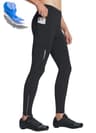
Baleaf 4D Padded Fleece Cycling Tights
Padded shorts and thermal tights in one garment, which is how winter cycling clothing should work — layering shorts under leggings creates seams in exactly the places you do not want them.
Who it is for: Winter rides where bare or lightly covered legs stop being viable.
What is good
+Integrated chamois pad, so no shorts underneath and no overlapping seams
+Fleece lining across the whole leg, including the knees
+Full-length, so the ankle gap that ruins three-quarter tights does not exist
+Cheaper than buying thermal tights and padded shorts separately
What you give up
−Baleaf sizing runs small — read the chart, not your jeans size
−The pad density is not published, and pad quality is the whole comfort story
−Fleece-lined tights are too warm above roughly 55F
Skip this if. Skip this if you already own padded bib shorts you like. Leg warmers pulled over the shorts you already own cost a third as much and cover most of the same temperature range.
Published specifications for the Baleaf 4D Padded Fleece Cycling Tights
Padded
Yes, integrated chamois
Lining
Fleece
Length
Full leg
Windproof panels
Not published
Pad density
Not published
Specifications read from the retailer listing on August 11, 2026. “Not published” means the listing does not state that figure — we do not estimate it.
#5Best cycling jacket
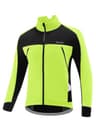
Baleaf Winter Cycling Jacket
A windproof, thermal, cycling-cut jacket at a price where trying winter riding does not require committing to it. The cut is the part a running jacket gets wrong: longer at the back, shorter at the front, sleeves cut for reaching forward.
Who it is for: Your first winter of riding, in dry cold.
What is good
+Windproof front panel, which is the specification that decides whether you are warm
+Cycling cut — drop tail at the back, no bunching at the front when you lean forward
+Rear pockets, so a jersey underneath is not required
+Thermal lining without the bulk of a general-purpose winter coat
What you give up
−Windproof, not waterproof — sustained rain will get through
−Baleaf sizing runs small; check the chart rather than your usual size
−No published temperature range
Skip this if. Skip this if you already own a windproof running jacket and ride under an hour. The cycling cut is a genuine improvement, and it is not a big enough one to justify a second jacket for short rides.
Published specifications for the Baleaf Winter Cycling Jacket
Windproof
Yes
Waterproof
No
Cut
Cycling, drop tail
Rear pockets
Yes
Temperature range
Not published
Specifications read from the retailer listing on August 11, 2026. “Not published” means the listing does not state that figure — we do not estimate it.
#6Best on and off the bike
Rockbros Thermal Cycling Jacket
Fleece-lined and windproof, and sold for hiking as much as cycling — which is either a compromise or a feature depending on whether you want one jacket or two.
Who it is for: Cold-weather riding that is also cold-weather walking.
What is good
+Thermal fleece lining with a windproof outer
+Cut loose enough to layer over a jersey or under a shell
+Works off the bike, which a race-cut jacket does not
+Cheaper than the cycling-specific options
What you give up
−Looser cut flaps at speed, where a close cycling cut does not
−Not waterproof
−No published temperature range or fabric weight
Skip this if. Skip this if you ride fast on the road. A loose jacket at 20mph is noisy, cold at the openings and slower, and a proper cycling cut solves all three.
Published specifications for the Rockbros Thermal Cycling Jacket
Windproof
Yes
Lining
Thermal fleece
Waterproof
No
Cut
Relaxed, cycling and hiking
Temperature range
Not published
Specifications read from the retailer listing on August 11, 2026. “Not published” means the listing does not state that figure — we do not estimate it.
Windproof is the specification that matters
At 15mph on a still day you are creating a 15mph headwind. That air movement strips heat from your body far faster than still air of the same temperature, and it goes straight through any fabric that is merely thick.
This is why a thick fleece is worse than a thin windproof shell. It is also why budget winter cycling clothing that does not mention windproofing usually disappoints: the insulation is there, and the wind is going through it.
When you read a listing, the word to search for is windproof or windbreak. If it is not stated, assume it is absent.
Layering, in the order that works
Three layers, each doing one job. Adding a fourth mostly just restricts movement.
Base layer: move sweat away from skin. Merino or a technical synthetic. Never cotton — cotton holds moisture against you and then chills you the moment you stop. This layer is thin and it is not optional.
Mid layer: hold warm air. A long-sleeve jersey or a thin fleece. This is the layer you remove first if you have over-dressed.
Outer layer: stop the wind. A windproof jacket, ideally with a full-length zip so you can vent on a climb without stopping.
The rule: dress to be slightly cold at the start
The most common winter mistake is dressing for the temperature you feel standing in the driveway. Ten minutes in you are too warm, then you sweat, then the sweat cools and you are colder than you would have been.
You should feel slightly underdressed for the first mile. If you are comfortable at the start, you are overdressed. Experienced riders check this deliberately and it takes one or two rides to calibrate.
Feet, which is where it usually goes wrong first
Cycling shoes are full of ventilation holes, which is exactly right in July and a design flaw in January. Thicker socks do not fix it, because the cold is coming through the vents rather than through the sock, and a thicker sock inside a fitted shoe restricts circulation, which makes your feet colder still.
The fix, in order of cost:
Toe covers— about $13, cover the vented front of the shoe only, and handle most of the autumn.
Full shoe covers— about $25, cover the whole shoe, and are the answer for actual winter.
Winter cycling boots— $150 and up, and unnecessary unless you are riding through real cold regularly.
If you ride in trainers on flat pedals, none of this applies — ordinary shoes are not ventilated the same way, and a warmer sock genuinely is the answer.
Legs: tights, or leg warmers over what you own
Bare legs are fine down to about 60F for most people and unpleasant below it. Two routes:
Padded thermal tights— one garment, integrated chamois pad, no overlapping seams. Warmer and more comfortable.
Leg warmers over the shorts you already own — about a third of the price, removable mid-ride when the sun comes out, and they can slip down.
Buy leg warmers first if you already have shorts you like. Buy tights if you are starting from nothing and know you will ride through winter.
Which warmer, and whether you need the full-length kind at all, is its own question: our arm and leg warmer shortlist compares arm, knee and leg versions on published grippers and insulation level, and knee warmers cover a wider part of the year than either.
A rough temperature guide
60–70F: shorts and a short-sleeve jersey. Maybe arm warmers early.
50–60F: long-sleeve jersey or a base layer under a short-sleeve, plus knee or leg warmers and full-finger gloves.
40–50F: base layer, jersey, windproof jacket, tights, winter gloves, toe covers, ear cover.
Below 40F: all of the above with thermal versions, full shoe covers, and a windproof rather than fleece head covering.
These are starting points, not rules. Personal tolerance varies enormously and you will find yours within two or three rides.
What we would spend
About $35 on shoe covers and a helmet liner, which is the highest-value spend in this whole category. Then winter gloves at around $17 to $40 depending on how cold it actually gets where you ride.
The jacket comes fourth, not first — and if you already own a windproof running jacket, it will do for a season while you find out whether winter riding is something you want to keep doing.
None of this helps with ice, and none of it helps at five in the afternoon in December. For those days the answer is not more clothing, it is an indoor trainer — a stand your own bike clamps into, so you keep the saddle and the position you have already got used to. Whether that needs the app-controlled kind or the cheap kind is a real question, and the smart-versus-classic comparison answers it before you spend.
And six months from now the problem reverses. Heat is a ventilation problem rather than an insulation one, which makes the summer list shorter and completely different — the hot-weather kit page is the other half of this one.
We have not ridden these bikes. Every site in this category says it tested twenty of them. We have not tested any, and we say so. What we did instead: read the manufacturer listings and manuals, compiled the published specs, worked out the real out-the-door cost, and checked live availability and price. Here is exactly how that works.
Questions people actually ask
What should I buy first for winter cycling?+
Shoe covers and something to cover your ears — about $35 together. Riding generates plenty of heat in your torso and legs and none in your feet, fingers and ears, which are also the parts most exposed to the headwind you create. Winter cycling is an extremities problem, and a jacket solves the part of the problem you have least of.
What does windproof mean on cycling clothing?+
That the fabric stops moving air passing through it. At 15mph you create a 15mph headwind, and that air movement strips heat far faster than still air at the same temperature — straight through any fabric that is merely thick. A thin windproof shell beats a thick fleece, and budget winter kit that does not mention windproofing usually disappoints for exactly this reason.
How should I layer for cold-weather cycling?+
Three layers, each with one job. A thin base layer of merino or technical synthetic to move sweat off your skin — never cotton. A mid layer, usually a long-sleeve jersey, to hold warm air. And a windproof outer with a full zip so you can vent on climbs without stopping.
Why do my feet get cold cycling even with thick socks?+
Because the cold is coming through the ventilation holes in the shoe, not through the sock — and a thicker sock inside a fitted shoe restricts circulation, which makes it worse. The fix is shoe covers, which seal the vents. Toe covers handle autumn at about $13; full covers handle winter at about $25.
How cold is too cold to cycle?+
There is no fixed number — it depends on wind, wet, and personal tolerance. What changes the answer is equipment: with windproof gloves, shoe covers and an ear cover, most people are comfortable well below freezing. Without them, 45F is unpleasant. Ice is a different question, and that is about grip rather than warmth.
Should I feel warm when I start a winter ride?+
No — you should feel slightly underdressed for the first mile. If you are comfortable standing in the driveway, you will be too warm ten minutes in, then you sweat, then the sweat cools you and you end up colder than if you had dressed lighter. Experienced riders check this deliberately.
Sources
Specifications come from the manufacturer or the retailer listing, dated. Where a figure is not published, we say so rather than estimating it.
Woolmark — Wool fiber properties — Published fiber data including moisture absorption up to roughly a third of its own weight (accessed August 11, 2026)