Compare
The decisions people actually get stuck on, answered in the first fifty words and then explained properly.
Almost nobody gets stuck choosing between two specific models. People get stuck one level up — on whether they want a gravel bike or a road bike at all, whether drop bars are a mistake, whether carbon is worth it. Those are the questions on this page.
Every comparison here opens with a direct answer in the first fifty words, because that is what you came for. The explanation follows for when you want to know whether to trust the answer.
Everything in Compare
Gravel Bike vs Road Bike
The single most common first-bike question. Short answer for most first-time buyers: the gravel bike.

Gravel Bike vs Hybrid
Drop bars or flat bars — this is really a question about how far you want to ride, not what surface you ride on.
Gravel Bike vs Mountain Bike
Both go off pavement. They are built for completely different kinds of off pavement, and the difference is not subtle.
Aluminum vs Carbon Bike Frames
What you actually feel, what you actually pay, and why a first bike should almost always be aluminum.
Gravel Bike vs Cyclocross Bike
They look almost identical and are built for opposite jobs - one for racing an hour, one for riding all day.
Gravel Bike vs Endurance Road Bike
The closest comparison on this site. Both are comfortable all-day drop-bar bikes, and the deciding factor is one number.
Clipless vs Flat Pedals
Whether clipping in is actually worth it, what it costs in total, and the honest case for never bothering.
Shimano Claris vs Tiagra
Two rungs of the same ladder, and the upgrade decision almost every first-bike buyer runs into. What the money actually buys.
Disc Brakes vs Rim Brakes
The one spec difference you can feel from the first ride, and the specific weather condition that settles the argument.
Tubeless vs Inner Tubes
Tubeless is genuinely better on gravel and genuinely more work. Whether that trade is worth it on a first bike.
1x vs 2x Gearing
One chainring or two. What you gain in simplicity, what you lose in range, and which one a first gravel bike should have.
Bib Shorts vs Waist Shorts
Braces or a waistband. The comfort argument is real, the bathroom objection is also real, and here is how to decide.
MIPS vs Non-MIPS Helmets
What the slip layer actually does, what it costs, and whether it is the one helmet feature worth paying up for.
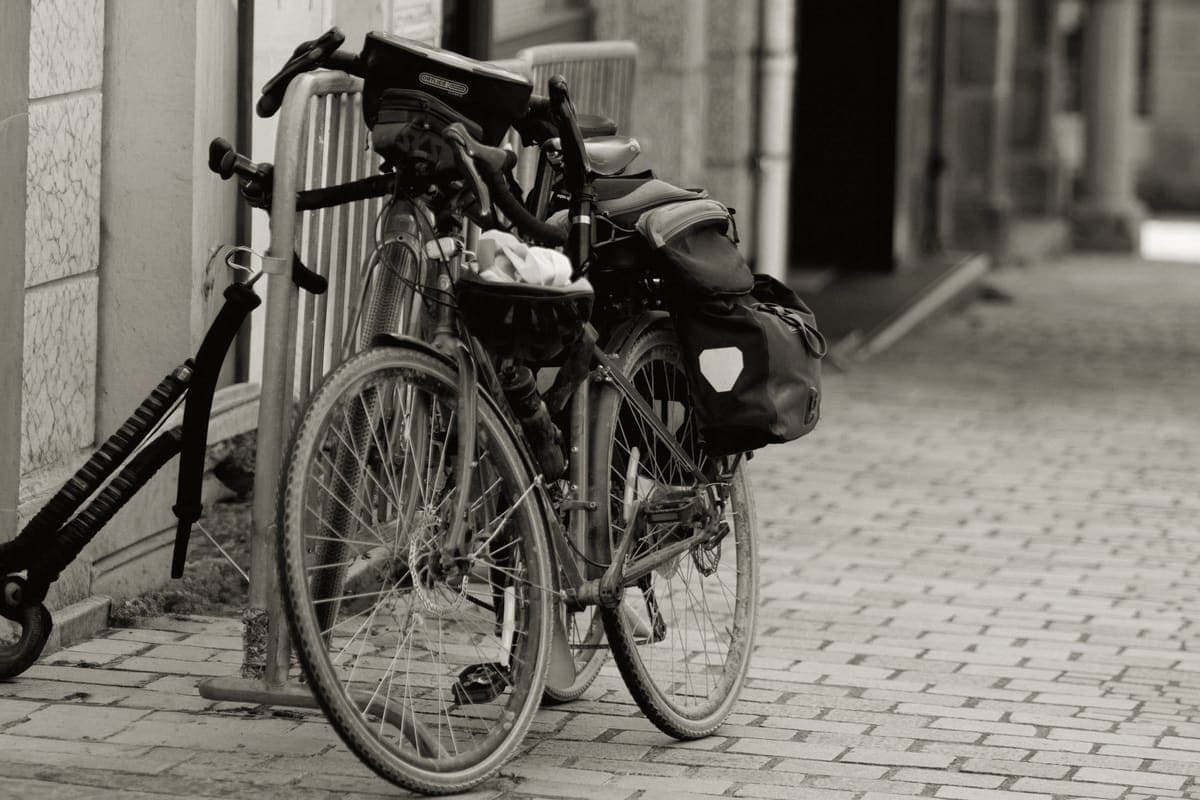
Gravel Bike vs Touring Bike
Both carry luggage on rough roads. One is built to go fast unloaded and the other to go anywhere loaded, and the difference is bolted to the frame.
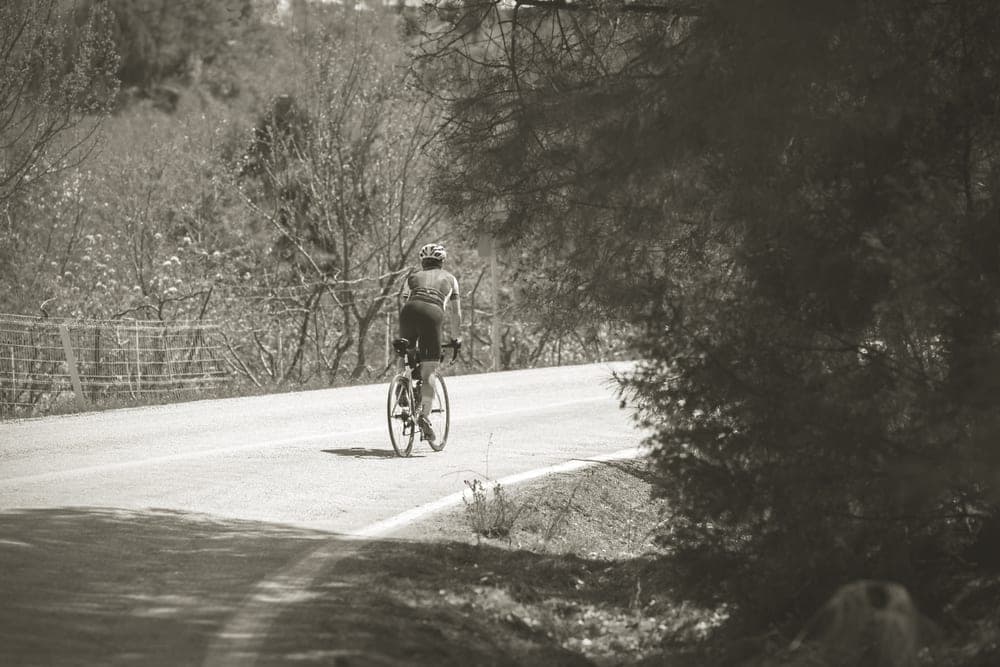
Road Bike vs Hybrid
Drop bars and skinny tires against flat bars and an upright seat. This is a question about how far you want to ride, not about how fast you are.
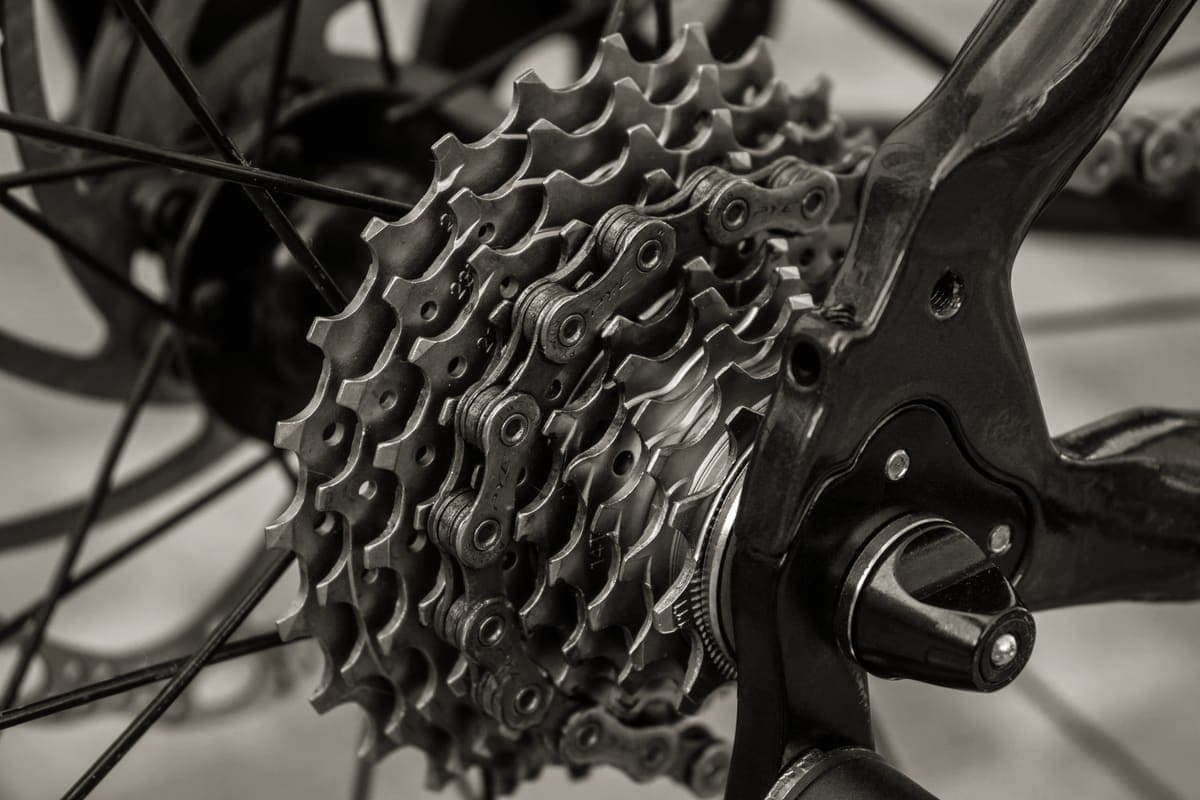
Shimano vs SRAM
Two companies make almost every gear system on almost every bike you can buy - and on a first bike the choice is nearly always made for you.
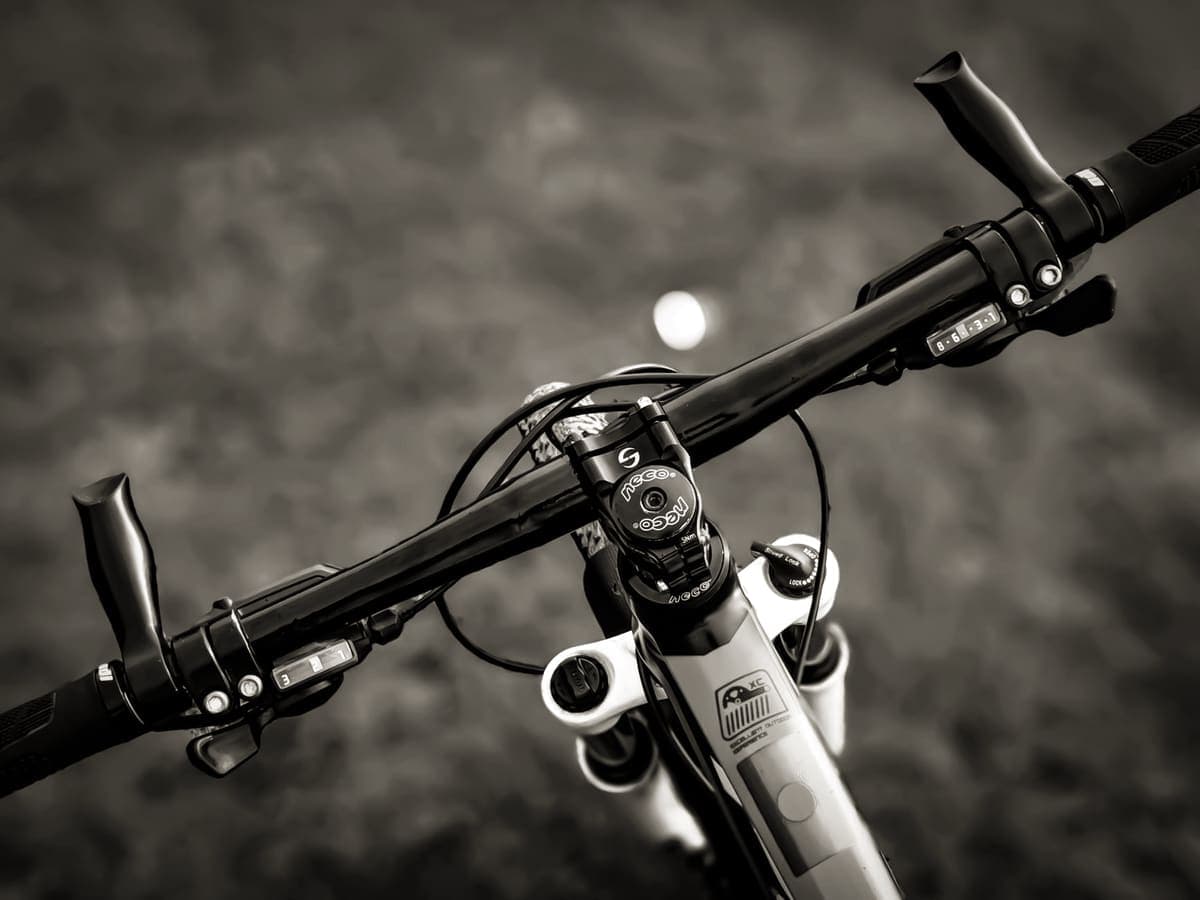
Shimano Tiagra vs 105
The rung where a first bike becomes a serious one, and the point where paying more genuinely stops paying a beginner back.
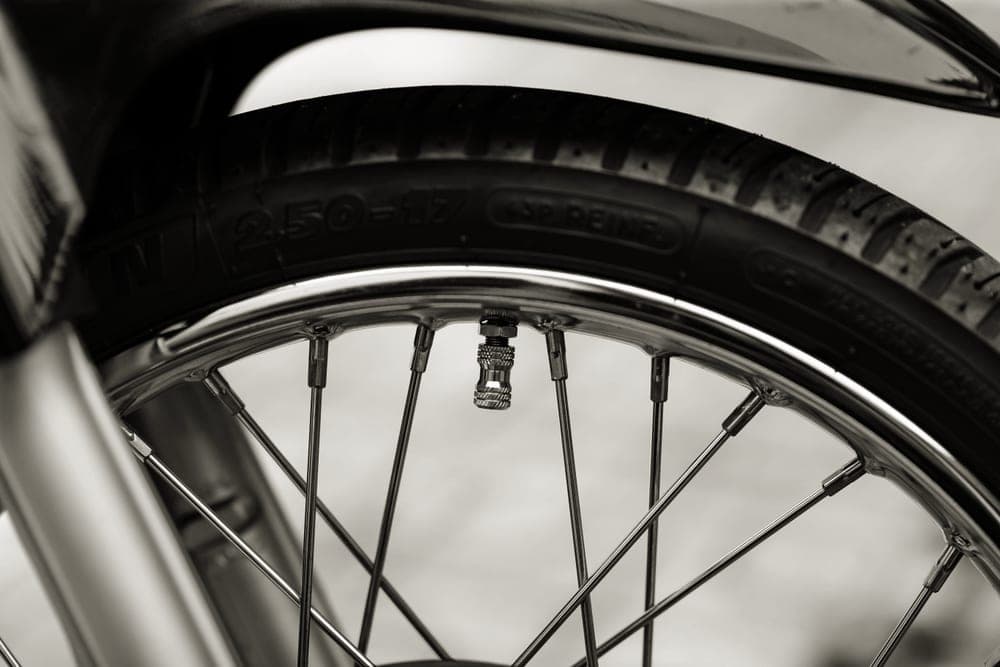
700c vs 650b Wheels
Two wheel sizes with names that tell you nothing. What the numbers mean, which your bike takes, and whether the smaller one is worth a second wheelset.
Aluminum vs Steel Bike Frames
Steel is the material every romantic recommends and almost nobody sells at this price. Here is what it gives you, and what aluminum gives you instead.
Hydraulic vs Mechanical Disc Brakes
Both are disc brakes and both stop the bike. One is a cable you adjust with a hex key; the other needs almost nothing until it needs a shop.
SPD vs SPD-SL: Which Clipless System?
Two-bolt or three-bolt. One lets you walk into a cafe; the other is faster in a way most first-year riders will never measure.

Buying a Bike Online vs a Bike Shop
One saves you a few hundred dollars and hands you a box. The other costs more and hands you a bike that fits.
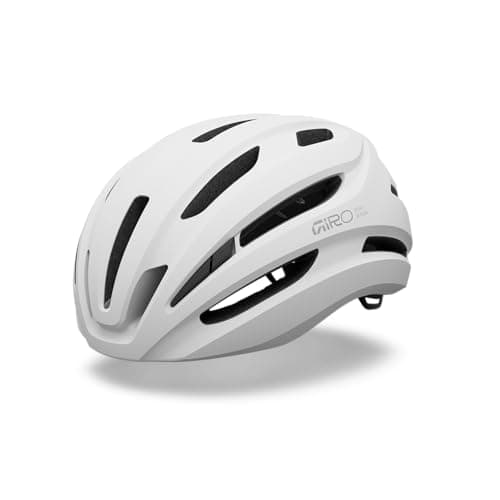
Road Bike Helmet vs Mountain Bike Helmet
Same federal standard, different shape. What the visor and the extra rear coverage are for, which one a gravel rider should wear, and four helmets that settle it.
Our top pick
Giro Isode MIPS II
$79.95 · View on AmazonPrice as of October 21, 2026. #ad How we’re funded
Road Bike vs Mountain Bike
The two bikes could not be more different, and most first-time buyers are choosing between them for the wrong reason. Where each one actually belongs, and the third option that usually wins.
Bike Computer vs Phone
Your phone already records rides and navigates. Where a $60 bike computer still beats it, where it does not, and the cheaper middle option most riders should start with.
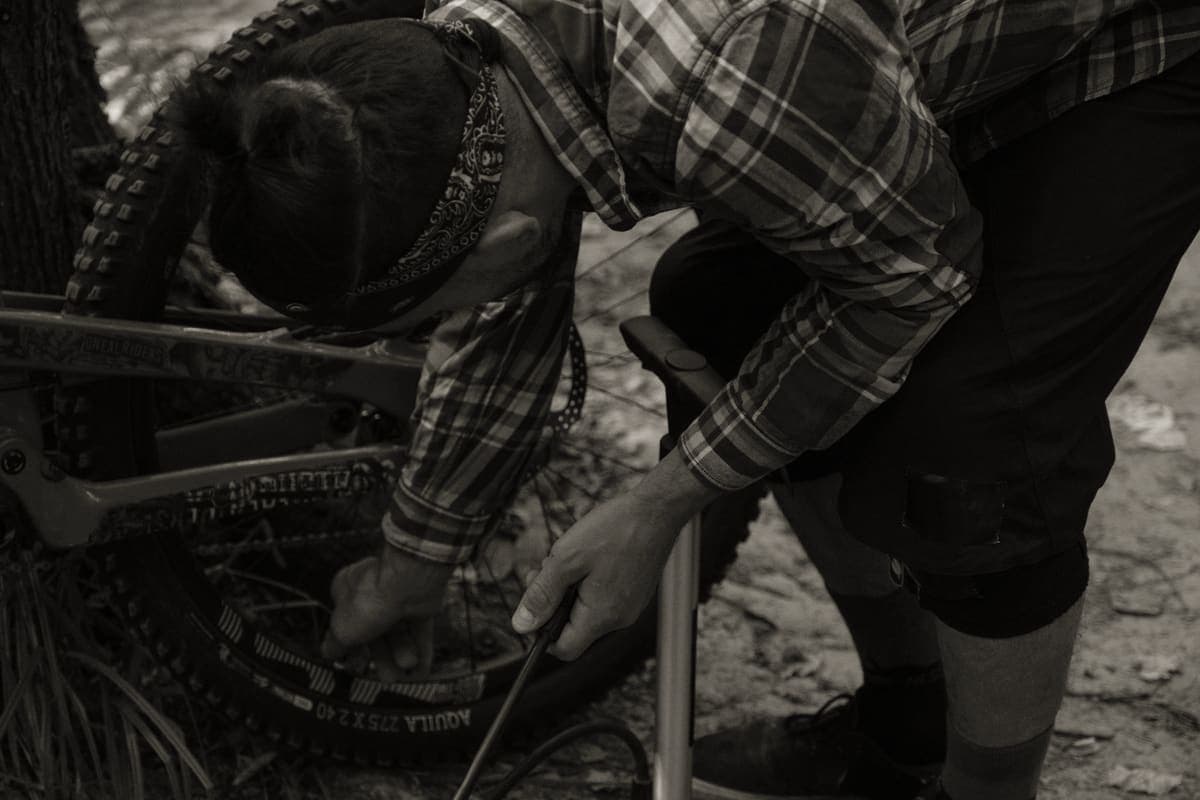
Presta vs Schrader Valves
The thin valve on your new bike is not the fat one on your car, and the difference decides which pump, which tube and which rim you can buy. The whole thing in plain English.
Smart Trainer vs Dumb Trainer
A smart trainer changes its own resistance and a classic one does not. What that actually buys you, what each type publishes about its accuracy, and the honest answer for a first winter indoors.
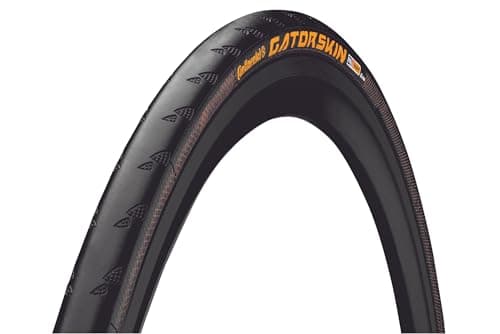
Continental Gatorskin vs GP5000
Two tires from the same company built for opposite jobs — one to survive the road, one to feel it — plus the training tire most first road bikes actually want.
Our top pick
Continental Gatorskin 700x28
Giro Isode vs Agilis
Same rotational protection, different fit and ventilation. Universal sizing or a measured head, and why neither listing publishes a vent count.
Our top pick
Giro Isode MIPS II
$79.95 · View on AmazonPrice as of October 21, 2026. #ad How we’re funded
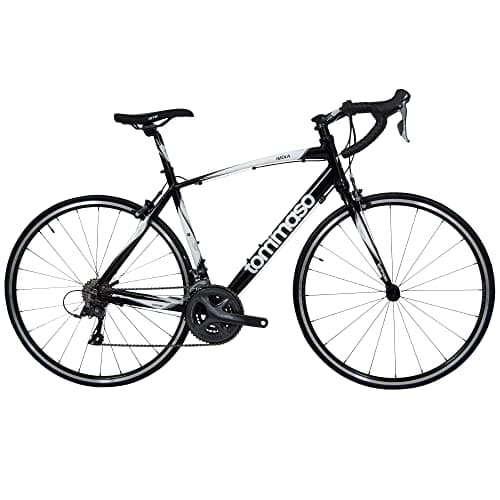
Tommaso Imola vs Forcella
Same Claris badge, different drivetrain underneath: the Forcella's triple chainring against the Imola's double, and the warranty that makes it a real question.
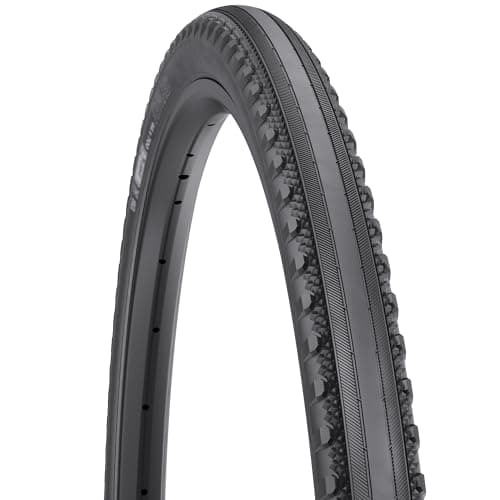
WTB Byway vs Vulpine
A smooth center strip against a race tread, 44mm against 40mm, and the one tire here that publishes sidewall protection.
Our top pick
WTB Byway 700 x 44
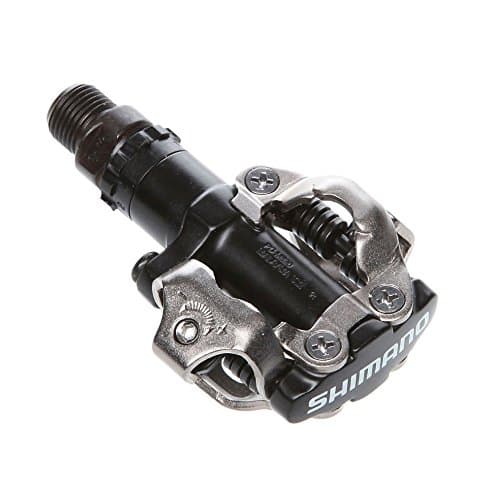
Shimano PD-M520 vs PD-ME700
Same SPD cleat, same mechanism, different body - and only one of the two listings states that cleats are in the box.
Our top pick
Shimano PD-M520
$60.00 · View on AmazonPrice as of October 21, 2026. #ad How we’re funded
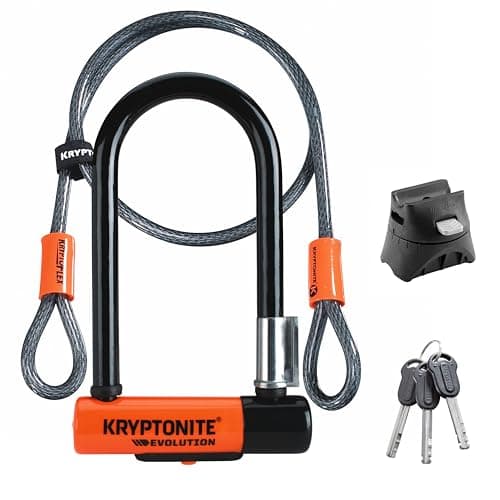
Kryptonite Evolution vs Keeper
One millimeter of shackle apart on paper, a whole security tier apart in practice - and only one of the two listings carries an independent attack rating.
Our top pick
Kryptonite Evolution Mini-7
How to use these
Read them in this order if you are starting from nothing:
- Gravel bike vs hybrid — do you want drop handlebars at all? This is really a question about how far you intend to ride, and it is worth settling before anything else.
- Gravel bike vs road bike — if drop bars are yes, this is the actual decision. It is the most-read page on the site.
- Gravel bike vs mountain bike — worth reading if “off-road” is in your plan, because the two bikes mean completely different things by it.
- Aluminum vs carbon frames — the upgrade question. Read it before you spend an extra $500 on something you cannot yet feel.
The short version of all four
If you want the answers without the reading, here they are — each page explains the reasoning and the exceptions, which is where the value is.
- Gravel or road? Gravel, for most first-time buyers. It does everything a road bike does at a cost of about a mile per hour, and adds every surface a road bike cannot handle. Choose road only if you already know you want pavement speed.
- Gravel or hybrid? Hybrid if your rides are under an hour and mostly in town; gravel if you want to ride further than that. The deciding factor is hand positions, not surface: a flat bar gives you one, drop bars give you three or four, and that is what decides whether hour three is comfortable.
- Gravel or mountain? Gravel, unless you specifically intend to ride technical singletrack with roots, rocks and drops. Mountain bikes are built for terrain most people describing their riding as “off-road” never actually go near, and they are slow everywhere else.
- Aluminum or carbon? Aluminum, on a first bike, almost without exception. Carbon is lighter and smoother, but it is a large premium for a difference a new rider cannot yet detect — and it is less forgiving of a crash or an over-tightened bolt.
The component decisions, once the bike is chosen
Those four settle which bike. These settle the specification arguments that come next — and unlike the bike choice, most of them can be changed later.
- Disc or rim brakes? Decided almost entirely by whether you ride in the rain. In the dry the difference is small; in the wet it is not.
- 1x or 2x gearing? One chainring or two. Less important than the question it hides, which is whether the lowest gear is low enough for your hills.
- Tubeless or inner tubes? Tubeless is genuinely better on gravel and genuinely more work. Not a first-season decision.
- MIPS or not? About $20 for a slip layer that addresses rotational impacts. The one helmet feature we would pay up for.
- Bibs or waist shorts? Braces or a waistband, and the bathroom objection is as real as the comfort argument.
- Presta or Schrader valves? Not a choice you get to make — your rims already decided — but it decides which pump and which spare tubes you buy, and it defeats more beginners than any other piece of jargon.
- Smart trainer or classic trainer? The winter question, and the one where the price gap is largest: whether the app should be allowed to change your resistance, or whether you shift gear yourself.
Model against model, where the names are the question
Some comparisons are not about categories at all — they are two specific products a buyer has narrowed down to, and what they need is the published difference rather than a lecture on the category.
- Gatorskin or GP5000? Two Continental road tires built for opposite jobs: armor against debris, or grip and ride feel. Plus the training tire most first road bikes actually want.
- Giro Isode or Agilis? Same rotational protection, different fit. Universal sizing you adjust after it arrives, or a sized road helmet that needs your head measurement first.
- Tommaso Imola or Forcella? Same Claris badge, different drivetrain underneath — and a lifetime frame warranty on one of them that makes it a real question.
- WTB Byway or Vulpine? A smooth center strip against a race tread, and 44mm against 40mm, which is a clearance check before it is a preference.
- Shimano PD-M520 or PD-ME700? The same SPD cleat and the same mechanism in two different bodies — and only one of the two listings states that the cleats are in the box.
- Kryptonite Evolution or Keeper? One millimeter of shackle apart on paper, a security tier apart in practice, and only one of them carries an independent attack rating.
Why we do not run a giant spec table
The strongest sites in this category answer “gravel bike vs road bike” with a thirteen-row table comparing head tube angles, bottom bracket drop, stack and reach. That table is genuinely useful — to someone who already knows what those words mean and can convert them into how a bike feels.
For a first-time buyer it is worse than useless, because it looks like the answer while communicating nothing. So our comparison tables run to five or six rows, and every row is a sentence about what you will notice rather than a number you have to interpret. Where a technical term is genuinely the clearest way to say something, it gets defined in the margin the first time it appears — or you can read the whole glossary in one go.
Questions people actually ask
What is the main difference between a gravel bike and a road bike?
Tire clearance — the width of tire the frame will physically accept. A road bike typically takes 25-32mm; a gravel bike takes 40-45mm. Everything else follows from that: the gravel bike is more comfortable, more capable off pavement, slightly slower on smooth roads, and geometrically more relaxed so it stays stable on loose surfaces.
Are drop handlebars harder to ride?
They are unfamiliar rather than harder. The two things that surprise new riders are that the brake levers are reached from a different hand position, and that the riding position feels low at first. Both stop being noticeable within a few rides. The payoff is three or four hand positions instead of one, which is what makes long rides comfortable.
Is carbon worth it for a beginner?
No, in almost every case. Carbon is lighter and damps vibration better, but you are paying a large premium for something a new rider genuinely cannot feel yet, and carbon is less tolerant of a crash or an over-torqued bolt. An aluminum frame with a carbon fork gets most of the comfort benefit for a fraction of the money.
Can one bike do everything?
A gravel bike comes closest, which is exactly why it is the standard recommendation for a first drop-bar bike. It is not the fastest bike on pavement and it is not the most capable off it, but it is competent everywhere in between, and 'competent everywhere' is the right shape for someone who does not yet know what they will end up riding.
Sources
Specifications come from the manufacturer or the retailer listing, dated. Where a figure is not published, we say so rather than estimating it.
- Schwalbe — Tire sizes and the ETRTO designation — How the 40-622 style ETRTO number maps to '700 x 40c' (accessed July 23, 2026)
- Shimano — GRX gravel components — Shimano's gravel-specific groupset series and what it is designed for (accessed July 23, 2026)
- Shimano — Component product list — Shimano's own component lineup, from which the road groupset hierarchy is read (accessed July 23, 2026)