Bike Upgrades
You already own the bike. These are the parts worth changing, in the order that gets you the most improvement per dollar — and the ones that are not worth changing at all.
Upgrade in this order: tires, then tire pressure, then the three places your body touches the bike, then brake pads. Not the gears. That order is not a matter of taste. It is what you get per dollar, and the gap between first and last on that list is enormous.
Almost everyone arrives here wanting to do the opposite. The listing said “Shimano Claris” and somewhere online said Tiagra is better, so the gears feel like the thing holding the bike back. They are usually the last thing holding it back, and they are comfortably the most expensive thing to change.
Everything in Upgrades
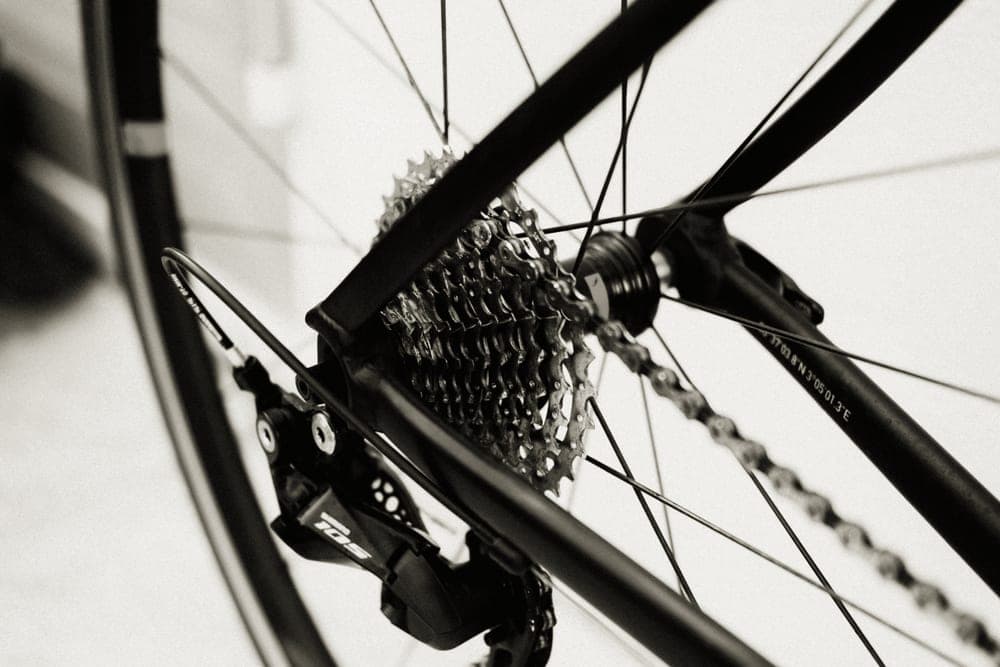
Is a Groupset Upgrade Worth It?
The upgrade everyone asks about first, and the one that almost never makes sense on a cheap bike. What it really costs, and the four things to do instead.
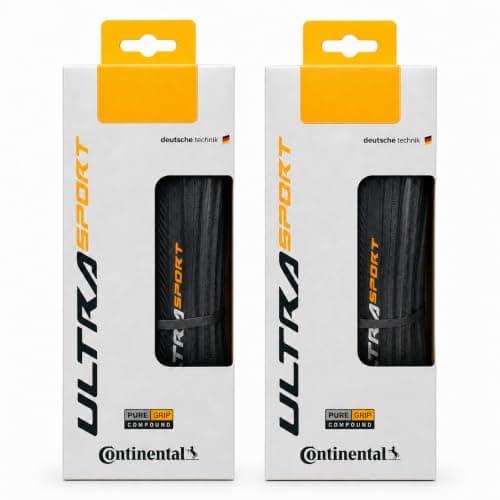
Best Budget Bike Upgrades
Eight upgrades ranked by improvement per dollar, one per component, every one of them cheaper than a single new shifter.
Our top pick
Continental Ultra Sport III 700x28 (pair)
$57.00 · View on AmazonPrice as of October 21, 2026. #ad How we’re funded
Bike Upgrades to Skip
The parts that cost the most and change the least. Seven upgrades a first-bike owner is regularly sold, and what the money does instead.
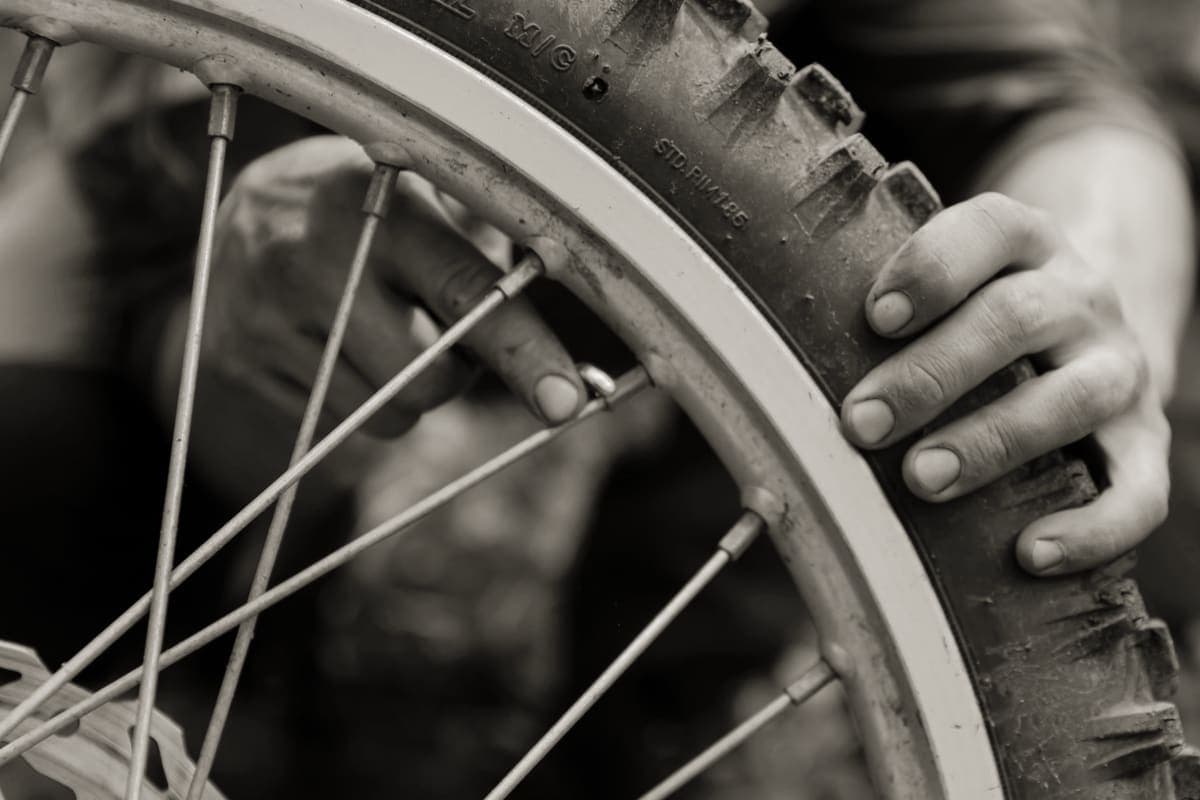
Is a Wheel Upgrade Worth It?
Usually not — but unlike the groupset, there are three cases where it genuinely is. The five compatibility checks to run first, and four wheelsets that fit a real beginner bike.
L-TWOO, microSHIFT and Shimano CUES Explained
Your cheap bike's gears are not Shimano Claris, and the listing named a brand you have never heard of. What those brands are, and the one way it genuinely costs you.
The order, and why it is that order
Every item below is cheaper than a single replacement shifter. They are listed by how much they change the ride per dollar spent, which is a different question from how much they cost or how good they sound.
1. Tires
The single biggest change available to a cheap bike, and it is not close. Budget bikes ship with heavy, stiff, puncture-prone tires because that is where a manufacturer saves money without anything appearing on the spec sheet — the listing says “700c” and stops. A better tire rolls faster, grips better and punctures less, and you feel all three on the first ride.
Which tire depends on where you ride: road tires for pavement, gravel tires if you leave it, and the width guide if you are not sure what will fit.
2. Tire pressure — free
Not a purchase, and it belongs this high anyway. Most new riders run their tires far too hard because the number molded on the sidewall is a maximum, not a recommendation. Too much pressure makes the bike skittish and genuinely slower on real road surfaces, because the bike bounces instead of the tire deforming.
What it needs is a floor pump with a gauge you can read, because the pressure you cannot measure is the pressure you cannot fix. The pressure guide has the numbers.
3. The three contact points
Saddle, bar tape and pedals — the only three places you touch the bike. Nothing else on a bicycle has the same ratio of cost to comfort, and discomfort is what actually stops people riding. A bike that is slightly slow gets ridden. A bike that hurts does not.
- Saddle— the biggest single comfort variable, and the one most likely to be wrong out of the box.
- Bar tape— the cheapest comfort upgrade that exists, and it wears out anyway.
- Pedals— budget bikes ship plastic ones that flex and break.
4. Brake pads
Cheap, safety-critical, and the one upgrade that changes what the bike does in the rain rather than how it feels in the dry. On a rim-brake bike a better compound is the closest thing to a free improvement in wet braking. Which pad fits which caliper is the part that trips people up.
5. Everything else, much later
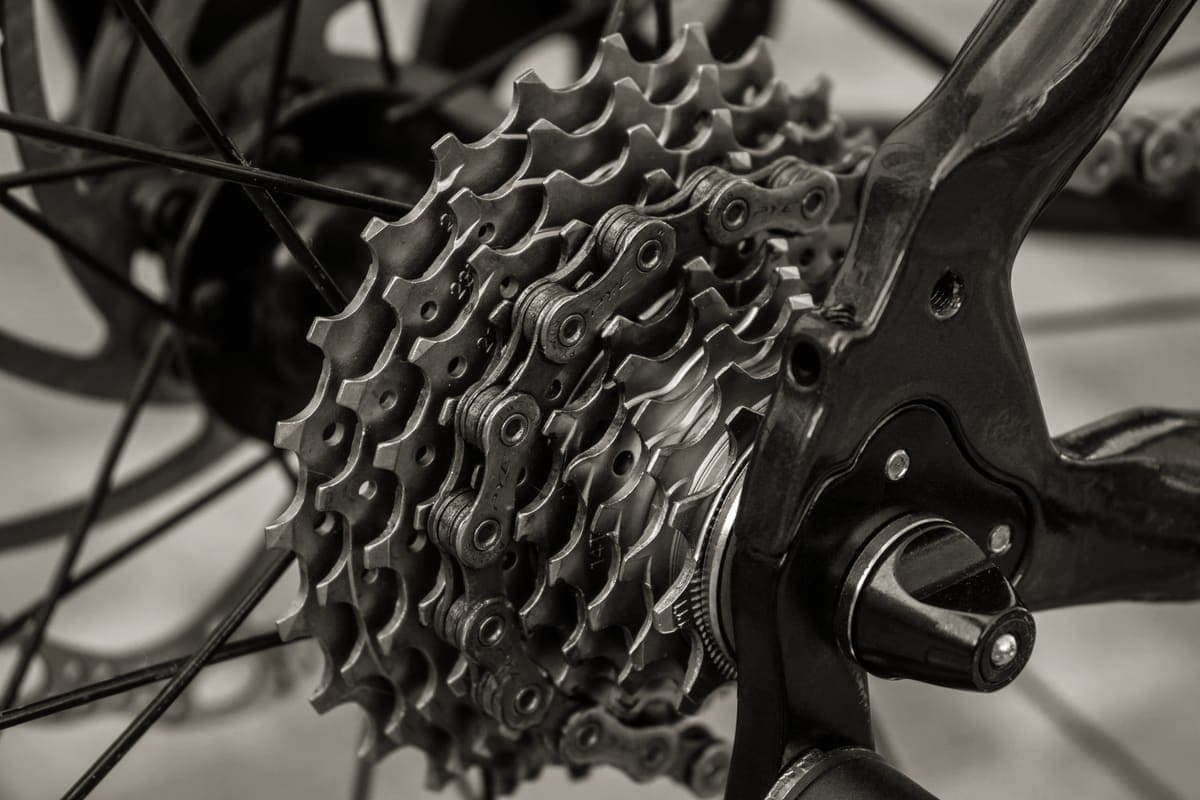
Wheels, cassettes, cranks, carbon anything. These are real upgrades that real riders make, and they are the wrong purchase on a first bike — usually because a decent version of the part costs a meaningful fraction of what the whole bike cost. The skip list explains each one.
Wheels are the exception worth reading about rather than just skipping, because there are three cases — a wheel that has failed past truing, rims that cannot run tubeless, and wheels that will move to your next frame — where they genuinely are the right buy. Whether a wheel upgrade is worth it works through those cases and the five compatibility checks that decide what will even fit your bike.
Where the groupset actually sits
It sits below all of this, for one reason that has nothing to do with quality: shifters. On a drop-bar bike the shifters and brake levers are the same part, and they are the most expensive component in the groupset. A complete gear upgrade on a bike that cost a few hundred dollars routinely approaches the price of the bike.
That does not mean groupsets do not matter. They matter enormously when you are choosing which bike to buy— it is the most informative line in any listing, which is why the groupset explainer exists and why every bike we recommend has its groupset named. The claim here is narrower and it is about money already spent: upgrading the groupset on a bike you already own is nearly always the wrong place for the next hundred dollars.
The honest ceiling
There is a point where upgrading a cheap bike stops making sense, and it arrives sooner than most people expect. The rough test: once the parts you are considering add up to more than about half what the bike cost, you are no longer upgrading a bike, you are assembling a worse one than you could have bought.
The exception is anything that moves to the next bike. Pedals, a saddle you have proven suits you, a floor pump, tools, a computer — none of those are attached to this bike in any meaningful sense. Wheels and drivetrain parts mostly are. That distinction is worth more than any ranking on this page: spend freely on what you keep, and reluctantly on what you leave behind.
If you are still shopping rather than upgrading, start with the buying sequence instead — buying the right bike beats upgrading the wrong one every time.
Questions people actually ask
What should I upgrade first on a beginner bike?
Tires, then tire pressure, then the contact points (saddle, bar tape, pedals), then brake pads. Tires come first because budget bikes save money on them where it does not show on a spec sheet, and a better tire changes rolling speed, grip and puncture resistance all at once. Tire pressure is free and is the single most common thing new riders get wrong.
Is it worth upgrading the groupset on a cheap bike?
Almost never. On a drop-bar bike the shifters and brake levers are one part and it is the most expensive piece of the groupset, so a full drivetrain change on a few-hundred-dollar bike often approaches the price of the bike. The groupset matters hugely when you are choosing which bike to buy, and very little as an upgrade to one you already own.
How much should I spend upgrading a beginner bike?
A rough ceiling: once the parts add up to more than about half what the bike cost, you are assembling a worse bike than you could have bought outright. The exception is anything that transfers to your next bike - pedals, a saddle that suits you, a pump, tools - because that money is not attached to this bike at all.
Do better tires actually make you faster?
Yes, and it is the one upgrade where the effect is not subtle. A supple tire deforms around road texture instead of bouncing the whole bike over it, which is where rolling resistance mostly comes from at normal speeds. Correct pressure matters as much as the tire itself, which is why the two sit next to each other in the order.
Are cheap bike upgrades worth doing at all?
The cheap ones are the good ones here, which is unusual. Bar tape, brake pads, chain lube and a floor pump are all inexpensive and all change something you notice. The expensive upgrades - wheels, carbon components, electronic shifting - are the ones that make the least sense on a first bike.
Sources
Specifications come from the manufacturer or the retailer listing, dated. Where a figure is not published, we say so rather than estimating it.
- Shimano — Component product list — Shimano's own component lineup, from which the road groupset hierarchy is read (accessed July 23, 2026)
- Park Tool — Disc brake pad removal and installation — The published replacement threshold - pad material should measure at least 1 mm thick - plus the compound comparison: organic gives the best initial bite and the best rotor longevity but the poorest wet durability, semi-metallic sits in the middle, and metallic lasts longest in the dry while generating more noise. Also the contamination test: a darkness on the rotor and pads that smears when rubbed with a finger (accessed September 5, 2026)
- Silca — Professional tire pressure calculator — Published pressure model taking rider weight, tire width and surface as inputs (accessed July 23, 2026)