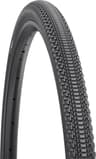
Buy the WTB Byway 700x44 if your riding is more pavement than dirt, which for most first-time gravel owners it is. A smooth center strip rolls almost like a road tire, and side knobs give you grip when you lean the bike into a loose corner.
Tires are the cheapest way to change how a bike rides, by a wide margin. A $50 pair changes the character of a bike far more than a $600 frame upgrade would. Before you buy, one check: find out what width your frame actually clears. It is a hard physical limit and it is the whole constraint on this page.
How this is funded: we earn a commission if you buy through our links, at no extra cost to you. It never changes which bike we recommend, and we will tell you plainly when we would skip one. Full disclosure.
Quick picks
Ranked on published specs, what the listing does and does not tell you, and who each one actually suits. Select a row to jump to the full write-up. We have not ridden these — here is exactly what we do instead.
#
Bike or gear
Best for
Price
1
WTB Byway 700 x 44
A smooth center strip with grip only at the edges — fast on pavement, secure when you lean it into a dirt corner. If your riding is mostly road with dirt sections, this is the shape you want.
The all-round gravel tire most people end up on. Knobs across the whole tread and Maxxis's EXO sidewall protection, which is the difference between finishing a ride and walking home.
WTB's fast-rolling race tire in the most common gravel width. Lighter and quicker than the Byway, with less tread — this is the one for hard-packed dirt and long days.
The most expensive tire here and the only one that publishes its exact ETRTO size (40-622). Pirelli's SpeedGrip compound is the argument — grip in the wet without the usual rolling penalty.
A smooth center strip with grip only at the edges — fast on pavement, secure when you lean it into a dirt corner. If your riding is mostly road with dirt sections, this is the shape you want.
Who it is for: Mixed rides that are more pavement than dirt.
What is good
+Smooth center rolls almost like a road tire on pavement
+Side knobs give you grip when the bike is leaned over in loose corners
+44mm is wide enough to be genuinely comfortable on rough surfaces
+Tubeless-ready, so you can run it without an inner tube later if you want
What you give up
−The smooth center is exactly wrong in deep mud or loose gravel climbs
−44mm will not fit every gravel frame — check your clearance before buying
−No published weight or thread count
Skip this if. Skip this if your local riding is genuinely loose — soft gravel, sand, mud. The smooth center that makes this fast on pavement is the thing that will slide out from under you, and the Maxxis Rambler is the better tool.
Published specifications for the WTB Byway 700 x 44
Size
700 x 44
Tread
Smooth center, side knobs
Tubeless-ready
Yes
Folding bead
Yes
Weight
Not published
Specifications read from the retailer listing on July 23, 2026. “Not published” means the listing does not state that figure — we do not estimate it.
#2Best for real gravel
Maxxis Rambler 700 x 40
The all-round gravel tire most people end up on. Knobs across the whole tread and Maxxis's EXO sidewall protection, which is the difference between finishing a ride and walking home.
Who it is for: Real gravel and dirt where grip matters more than pavement speed.
What is good
+Full tread pattern grips on loose surfaces where a smooth center will not
+EXO sidewall protection — the sidewall is where gravel tires actually cut
+40mm fits more frames than 44mm does
+Dual compound: harder rubber in the center for wear, softer at the edges for grip
What you give up
−Slower and noisier than a smooth-center tire on pavement
−Costs meaningfully more than the WTB Byway
−No published weight in this listing
Skip this if. Skip this if most of your miles are on pavement getting to the dirt. You will feel the tread buzzing under you for the whole road section, and the WTB Byway gives up very little off-road for a much better ride on tarmac.
Published specifications for the Maxxis Rambler 700 x 40
Size
700 x 40c
Tread
Full knobbed gravel tread
Sidewall protection
EXO
Rubber
Dual compound
Tubeless-ready
Yes
Weight
Not published
Specifications read from the retailer listing on July 23, 2026. “Not published” means the listing does not state that figure — we do not estimate it.
#3Best for hard-packed
WTB Vulpine 700 x 40
WTB's fast-rolling race tire in the most common gravel width. Lighter and quicker than the Byway, with less tread — this is the one for hard-packed dirt and long days.
Who it is for: Hard-packed gravel and fast riding.
What is good
+Light and fast-rolling, listed for racing
+40mm is the width most gravel frames are designed around
+Tubeless-ready folding bead
What you give up
−Less tread means less grip when the surface turns loose or wet
−A race-oriented tire usually means a thinner casing and more punctures
−No published weight or puncture-protection layer
Skip this if. Skip this if you ride in wet weather or on loose surfaces. A fast-rolling race tire gives up grip and puncture resistance to be fast, and in the wet that is not a trade a beginner should be making.
Published specifications for the WTB Vulpine 700 x 40
Size
700 x 40
Tread
Fast-rolling race tread
Tubeless-ready
Yes
Folding bead
Yes
Sidewall protection
Not published
Weight
Not published
Specifications read from the retailer listing on July 23, 2026. “Not published” means the listing does not state that figure — we do not estimate it.
#4Best in the wet
Pirelli Cinturato Gravel H 700 x 40
The most expensive tire here and the only one that publishes its exact ETRTO size (40-622). Pirelli's SpeedGrip compound is the argument — grip in the wet without the usual rolling penalty.
Who it is for: Wet-weather riding where grip is worth paying for.
What is good
+SpeedGrip compound is specifically formulated for grip in cold and wet conditions
+Publishes the precise ETRTO size (40-622), so you can check clearance exactly
+Tubeless-ready clincher, so it works with or without inner tubes
What you give up
−The most expensive tire on this page by a clear margin
−No published weight or puncture-protection layer
−'H' is Pirelli's hard-terrain tread — wrong for soft or muddy ground
Skip this if. Skip this if you ride dry, hard-packed gravel in summer. You are paying a premium for wet grip you will not use, and the WTB Vulpine costs a lot less for the same job in the dry.
Published specifications for the Pirelli Cinturato Gravel H 700 x 40
Size
700 x 40c (40-622)
Tread
Hard terrain (H)
Rubber
SpeedGrip compound
Tubeless-ready
Yes
Weight
Not published
Specifications read from the retailer listing on July 23, 2026. “Not published” means the listing does not state that figure — we do not estimate it.
#5Best for tight clearance
WTB Vulpine 700 x 36
The narrow one. 36mm fits frames that will not take a 40, which includes a lot of road bikes people are trying to make gravel-capable.
Who it is for: A road bike with limited tire clearance that you want to take onto dirt.
What is good
+36mm fits frames that cannot take a 40mm tire
+SG2 puncture protection, which is more than the wider Vulpine in this range publishes
+Tubeless-ready folding bead, same as the wider sizes
What you give up
−36mm is noticeably harsher than 40mm or 44mm on rough surfaces
−Narrower tires need higher pressure, which is where the comfort goes
−Race tread means limited grip in the wet
Skip this if. Skip this if your frame will take a 40mm tire. Going wider is the single cheapest comfort upgrade available on a drop-bar bike, and choosing 36mm when you have room for 40mm is leaving that on the table.
Published specifications for the WTB Vulpine 700 x 36
Size
700 x 36
Tread
Fast-rolling race tread
Tubeless-ready
Yes
Sidewall
Black
Puncture protection
SG2
Weight
Not published
Specifications read from the retailer listing on September 29, 2026. “Not published” means the listing does not state that figure — we do not estimate it.
How to read a tire size
The ETRTO system exists because the old nominal sizes were interpreted differently by different countries and manufacturers, which made compatibility a guessing game. The modern designation gives the width and the rim diameter directly, so a tire either fits your rim or it does not.
Only one tire on this page publishes its ETRTO number in the listing — the Pirelli (40-622). That is a small signal of a manufacturer being precise, and it is genuinely useful when you are checking clearance to the millimeter.
Width is the most important number
More than tread pattern, more than brand, more than compound. A wider tire holds more air, which lets you run lower pressure without risking the rim hitting the ground — and low pressure in a big tire is effectively suspension.
36mm. For frames that cannot take more. Noticeably harsher than 40mm, because it needs higher pressure to stay safe.
40mm. The modern default and the width most gravel frames are designed around. Handles almost everything a beginner will ride.
44 to 45mm. More comfort and more capability off pavement, if your frame clears it. Slightly slower on tarmac.
Check your clearance before ordering. Look at the gap between your current tire and the frame and fork — you want at least a few millimeters all round so mud and grit can pass. If a listing does not publish the frame’s maximum tire width, which many do not, measure the physical gap rather than guessing.
Rim width matters too: manufacturers publish tire-to-rim compatibility charts precisely because a tire that is too wide for a narrow rim sits in the wrong shape and handles badly. WTB and Continental both publish these, and they are cited at the bottom of this page.
Tread pattern, matched to your actual ground
Smooth center, knobbly edges (the WTB Byway)
The best all-round choice for most first-time gravel riders. The smooth strip down the middle is what touches the ground when you are riding straight, so it rolls quietly and fast on tarmac. The knobs at the edges only engage when the bike is leaned over in a corner, which is exactly when you need grip on loose surfaces. If your riding is more pavement than dirt, the pavement-first tire page starts from this tire and goes narrower.
Wrong for: deep mud or loose gravel climbs, where you need grip from the center of the tire and there is none.
Full knobbly tread (the Maxxis Rambler)
Knobs across the whole width. Grip on genuinely loose surfaces, at the cost of a constant hum and noticeably more effort on pavement.
Right for: riding where the dirt starts near your front door. Wrong for: a long paved commute to get to the dirt.
Fast-rolling race tread (the WTB Vulpine)
Minimal tread, light casing, built for speed on hard-packed surfaces.
Wrong for: wet conditions and loose ground. A race tire trades grip and puncture resistance for speed, and that is not a trade a beginner should be making in the rain.
Sidewall protection is the spec that matters most
Gravel tires do not usually puncture through the tread — they get cut on the sidewall by a sharp stone at an angle. The sidewall is the thinnest part of the tire and the hardest to repair by the roadside.
Only the Maxxis Rambler publishes a named sidewall protection layer (EXO) in its listing. That is a large part of why it is our pick for real gravel: a tire that gets you home is worth more than a tire that is 30 grams lighter.
Pressure, and why it is the free upgrade
The most under-used adjustment on any bike. Most new riders inflate to the maximum printed on the sidewall, which is a limit rather than a recommendation, and then wonder why the bike is harsh.
WTB’s own guidance for high-volume gravel tires is around 30 to 35 psi. The right number for you depends on your weight, the tire width, the rim width and the surface, and both Silca and Schwalbe publish calculators that take those as inputs — both cited below and both free.
The practical method: start around 35 psi in a 40mm tire, then drop 2 psi at a time until the bike starts to feel vague in corners or you feel the rim on impacts. Go back up 2 psi. That is your pressure. It will be far lower than you expected and the bike will be transformed.
One caution: never exceed the pressure limits printed on your tire or rim. If a calculator suggests something outside them, the components govern, not the calculator.
Tubeless: worth it, but not yet
Every tire on this page is tubeless-ready, meaning it can be set up that way. The benefits are real: fewer punctures, and you can run lower pressure without pinching a tube against the rim.
It is also fiddlier than it looks, needs sealant topped up a few times a year, and needs a rim that is also tubeless-ready. For a first gravel bike, run tubes and revisit it in a year. The tires will still be tubeless-ready when you do.
If your shortlist has come down to the two WTBs, Byway versus Vulpine is the head-to-head — a smooth center strip against a race tread, and 44mm against 40mm, which is a clearance check before it is a preference.
When to replace them
Four signals, in order of how little they leave open to argument. For the mileage question behind them — and the one manufacturer who publishes ranges at all — see how long bike tires last.
When the center tread is visibly flat. On a knobbly tire the center knobs wear down first.
When you can see the casing threads. Replace immediately, this one is not negotiable.
After a sidewall cut. A boot patch gets you home; it is not a repair.
When you are getting repeated punctures in a tire that used to be fine. Thin tread lets thorns through.
We have not ridden these bikes. Every site in this category says it tested twenty of them. We have not tested any, and we say so. What we did instead: read the manufacturer listings and manuals, compiled the published specs, worked out the real out-the-door cost, and checked live availability and price. Here is exactly how that works.
Questions people actually ask
What width gravel tire should I get?+
40mm is the modern default and handles almost everything a beginner rides. Go to 44 or 45mm if your frame clears it and you want more comfort off pavement; drop to 36mm only if your frame will not take more. Check the physical gap between your current tire and the frame before ordering — clearance is a hard limit.
What tire pressure should I run on a gravel bike?+
Far lower than most beginners assume. WTB's own guidance for high-volume gravel tires is around 30 to 35 psi. Start at 35 psi in a 40mm tire and drop 2 psi at a time until the bike feels vague in corners, then go back up 2 psi. Never exceed the limits printed on your tire or rim.
What does 700x40c mean?+
700c is the wheel diameter used on nearly all road and gravel bikes; 40 is the tire width in millimeters. The same tire is written as 40-622 in the international ETRTO standard, where 622mm is the rim diameter. The ETRTO version is unambiguous, which matters when checking whether a tire fits your rim.
Do I need tubeless tires for gravel?+
Not for a first bike. Tubeless means fewer punctures and lets you run lower pressure without pinching a tube, which are real benefits. It is also fiddlier to set up, needs sealant topping up a few times a year, and needs a tubeless-ready rim. Run tubes for your first season and revisit it later.
Can I put gravel tires on a road bike?+
Only up to whatever your frame physically clears, which on most road bikes is 28 to 32mm. That is enough for well-surfaced towpaths and rough pavement, not for real gravel. The 700x36 Vulpine on this page exists specifically for road frames with limited clearance.
How long do gravel tires last?+
Typically 1,500 to 3,000 miles depending on surface and how heavy you are, with pavement wearing them faster than dirt. Replace when the center tread is visibly flat, when you can see casing threads, or when a tire that used to be reliable starts puncturing repeatedly.
Sources
Specifications come from the manufacturer or the retailer listing, dated. Where a figure is not published, we say so rather than estimating it.