Gravel Bikes
Drop-bar bikes with room for fat tires — the most useful first bike for most people, because it does not force you to decide what kind of rider you are yet.
A gravel bike is a road bike with room for fatter tires. That is genuinely most of it, and the fact that nobody says it that plainly is roughly why this site exists.
The fatter tires are the whole trick. They let you ride dirt roads, canal paths, forest tracks and badly broken tarmac without the bike feeling twitchy and fragile underneath you — and on smooth pavement you give up maybe a mile an hour against a proper road bike. For a first drop-bar bike that trade is almost always worth making, because you do not yet know which surfaces you will end up loving, and the gravel bike refuses to make you decide.
Everything in Gravel Bikes
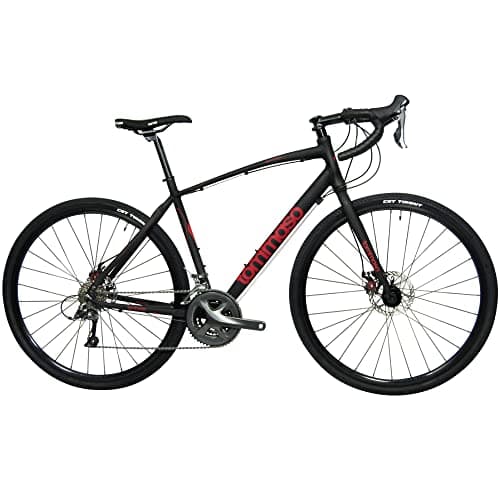
Best Gravel Bikes for Beginners
Seven gravel bikes you can actually buy today, ranked for a first-time buyer — with live prices and an honest skip-this-if on every one.
Our top pick
Tommaso Sentiero
$749.99 · View on AmazonPrice as of October 21, 2026. #ad How we’re funded
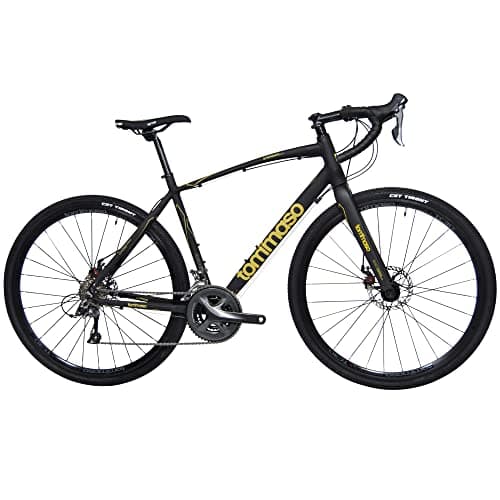
Best Gravel Bikes Under $1,000
What a thousand dollars actually buys in a gravel bike, and where the money goes when you spend less.
Our top pick
Tommaso Sterrata
$749.99 · View on AmazonPrice as of October 21, 2026. #ad How we’re funded
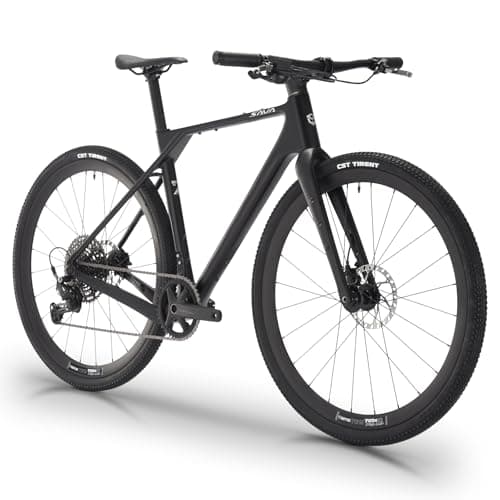
Best Gravel Bikes Under $1,500
The price band where hydraulic brakes and gravel-specific gearing start appearing — and whether they are worth the stretch.
Our top pick
SAVADECK Carbon Gravel GRX U6000
$1,299.00 · View on AmazonPrice as of October 21, 2026. #ad How we’re funded
Best Gravel Bikes Under $2,000
The band where carbon frames and gravel-specific gearing arrive - and an honest answer on who should actually spend this much.
Our top pick
SAVADECK Carbon Gravel GRX U6000
$1,299.00 · View on AmazonPrice as of October 21, 2026. #ad How we’re funded
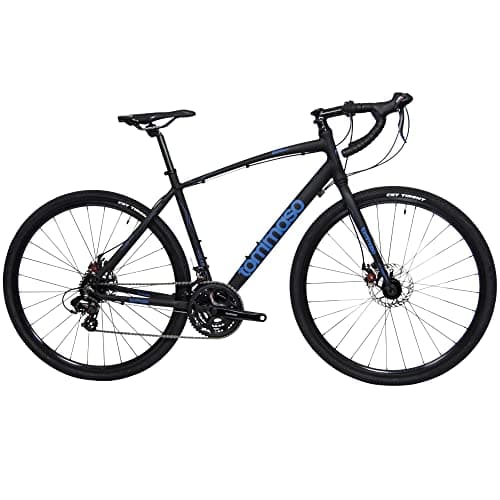
Best Cheap Gravel Bikes
What the bottom of the gravel market actually gets you, which corners get cut, and the price below which we would tell you to wait.
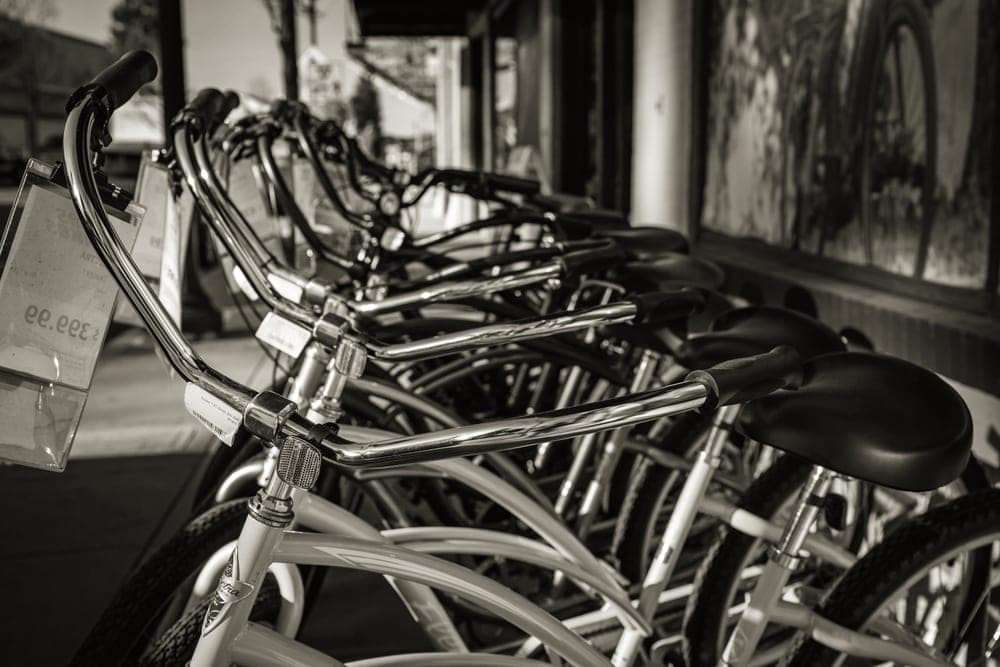
Gravel Bike Brands: Who Makes What
Which brands you can actually buy on Amazon, which you cannot, and what the difference means for a first-time buyer.

How Much Does a Gravel Bike Cost?
What each price band actually buys, the extras that are not optional, and the point above which you are paying for weight rather than capability.
Best Bikes for Commuting and Fitness
One bike for the ride to work and the ride for its own sake: six drop-bar and flat-bar bikes ranked for that double job, with live prices and the mounts, brakes and tires that actually decide it.
Our top pick
Tommaso Sentiero
$749.99 · View on AmazonPrice as of October 21, 2026. #ad How we’re funded
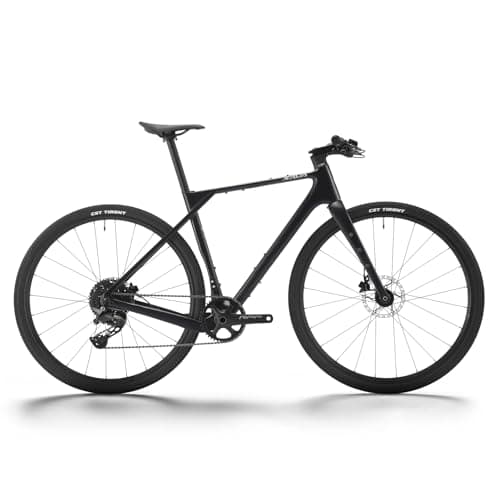
Best Gravel Bikes for Road Riding
One bike for pavement first and dirt when you feel like it: five gravel bikes ranked for road use, and the tire swap that recovers most of the speed.
Our top pick
SAVADECK Carbon Gravel U6020 10-Speed
$1,199.00 · View on AmazonPrice as of October 21, 2026. #ad How we’re funded
What to spend, and what each price band buys you
Prices move constantly, so treat these as bands rather than thresholds. What does not move is what the money is buying at each level.
- Under $400.At this price you are usually looking at a flat-bar hybrid being described as a gravel bike, or a drop-bar bike whose listing names none of its components. Both can be fine for short, flat rides. Neither is really the thing people mean by “gravel bike”, and the parts are the compromise.
- $600 to $800 — the sweet spot. This is where you get an aluminum frame, a named Shimano groupset that any shop can service, and disc brakes. Our beginner picks live mostly in this band, and there is no shame in never leaving it.
- $800 to $1,200. Better groupsets (Shimano Tiagra rather than Claris) and a carbon fork, which takes the buzz out of rough ground. Real improvements, felt over months rather than on the first ride.
- $1,200 and up. Carbon frames, hydraulic brakes and Shimano GRX — the groupset actually designed for gravel rather than borrowed from road. See the sub-$1,500 picks. Genuinely nicer bikes. Also genuinely wasted on someone still finding out whether they like this.
The four specs that actually matter
A gravel bike listing will throw a dozen numbers at you. Four of them change your experience of the bike; the rest are noise at this level.
- Frame size. The only one you cannot fix afterward. Get this right before you consider anything else — start with the size chart. A bike that fits badly is a bike you stop riding.
- The groupset. The gears, shifters and brakes, sold as a matched set. A named Shimano groupset means any shop can service it and the parts are on the shelf; an unnamed drivetrain means neither. The whole ladder is explained here.
- Tire clearance. The widest tire the frame will physically take. This is what separates a gravel bike from a road bike, and it is the spec cheap listings most often refuse to publish. Around 40mm is the modern default and is enough for almost everything a beginner will ride.
- Brake type. Disc brakes stop consistently in the rain; rim brakes need a moment to clear water off the rim first. Mechanical discs use a cable and need occasional adjusting. Hydraulic discs use fluid, need less hand force and self-adjust, and cost more.
The mistake first-time buyers make here
Spending the entire budget on the bike. A bike is not the purchase — the bike plus a helmet, padded shorts, pedals, a floor pump, lights and a spare tube is the purchase, and that second list runs $150 to $250. Someone who spends $900 on a bike and then has nothing left for shorts will ride uncomfortably twice and then stop. Someone who spends $700 and buys the kit rides all summer. We wrote the starter kit page because this is the single most common expensive mistake in the category. The second most common is buying a bike for the commute alone and discovering the weekend rides were the point; the commuting-and-fitness page is written for that buyer.
A note on what Amazon actually stocks
Most flagship gravel bikes — the ones the magazines review — are not sold on Amazon at all, because those brands sell through their own dealer networks. We wrote a whole page about who makes what and where you can buy it, because the gap between what gets reviewed and what you can actually click “buy” on is confusing and nobody explains it. What Amazon does carry is a real segment of genuinely serviceable entry-level bikes, and those are what we compare here.
Questions people actually ask
Is a gravel bike a good first bike?
For most people, yes — it is probably the best single first drop-bar bike. It rides everywhere a road bike rides, at a small speed cost, and adds dirt roads and rough surfaces. Since a first-time buyer usually does not yet know what kind of riding they will settle into, a bike that keeps every option open is worth more than one optimized for a use case you are guessing at.
How much should I spend on a first gravel bike?
Roughly $600 to $800 for the bike itself is the sweet spot. That buys an aluminum frame, a named Shimano groupset a shop can service, and disc brakes. Budget another $150 to $250 for the helmet, shorts, pedals, pump and lights you cannot ride without.
What tire width should a beginner gravel bike have?
Around 40mm is the modern default and handles almost everything a beginner will ride — dirt roads, gravel paths, broken pavement. Narrower than about 35mm and you lose the comfort that makes a gravel bike worth having; wider than about 45mm and you are slower on pavement for capability you probably will not use.
Can I use a gravel bike to commute?
Yes, and it is one of the better bikes for it. The wider tires shrug off potholes and drain covers, the disc brakes work in the rain, and most gravel frames have mounting points for a rack and mudguards. The main downside is that drop bars put you in a lower position with less visibility in heavy traffic than a flat-bar hybrid.
What is the difference between a gravel bike and a cyclocross bike?
Cyclocross bikes are built for hour-long races over short muddy circuits: steeper angles, higher bottom bracket, a twitchier ride, and usually limited to narrower tires by the rules of the sport. Gravel bikes are built to be ridden all day: longer wheelbase, more relaxed handling, more tire clearance, and mounts for luggage. For a first bike you want the gravel bike.
Sources
Specifications come from the manufacturer or the retailer listing, dated. Where a figure is not published, we say so rather than estimating it.
- Shimano — GRX gravel components — Shimano's gravel-specific groupset series and what it is designed for (accessed July 23, 2026)
- Shimano — Component product list — Shimano's own component lineup, from which the road groupset hierarchy is read (accessed July 23, 2026)
- Schwalbe — Tire sizes and the ETRTO designation — How the 40-622 style ETRTO number maps to '700 x 40c' (accessed July 23, 2026)
- WTB — Tire and rim fit chart — Manufacturer chart of approved tire width to rim width pairings (accessed July 23, 2026)