How these were ranked
One question, applied to each: how much does this change the ride, divided by what it costs? Not how good the part is, and not how much better it is than the cheapest possible version. A $9 roll of bar tape outranks a $160 saddle here because the tape fixes something for almost everybody and the saddle fixes something for some people.
Two rules kept things off the list. Nothing that costs a meaningful fraction of a beginner bike is here — that rules out wheels and drivetrains, for reasons covered separately. And nothing purely cosmetic is here, however cheap.
Tires first, and it is not close
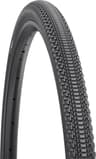
Budget bikes save money on tires because it is the easiest saving that never appears on a spec sheet. A listing says “700c” and stops; it does not say the tire is heavy, stiff and thin-walled. Fitting a decent tire changes rolling speed, wet grip and puncture rate at once, which no other single part does.
Buy for where you actually ride. Narrow slicks for pavement, something with a file tread for mixed surfaces — the width guide covers what will physically fit, which is the constraint most people hit first. Deeper picks live on the road tire page and the gravel tire page.
The free one, which needs a tool
Tire pressure is the only upgrade on this page that costs nothing, and it is the one new riders most reliably get wrong — almost always by running far too hard, because the number on the sidewall is a maximum rather than a recommendation. Over-inflated tires skip across road texture instead of absorbing it, which is slower as well as harsher.
Silca publish a pressure model that takes rider weight, tire width and surface as inputs, which is the honest way to think about it: there is no single correct number, there is a number for you on that tire. Our pressure guide works through it. What you need to act on it is a pump with a gauge you can actually read, which is why one is on this list.
Contact points: cheap, and the reason people stop riding
Saddle, tape and pedals are the only three places you touch the bike. Discomfort is what ends more cycling habits than any performance shortfall, and all three of these are inexpensive relative to what they fix.
A caveat worth stating on the saddle, because the internet is full of the opposite advice: a wider, softer saddle is not automatically a more comfortable one, and saddle fit is individual in a way tires and tape are not. Before buying one, check the position of the one you have — Park Tool’s adjustment procedure covers height, fore-aft and tilt, and tilt in particular fixes a lot of complaints for free. The saddle page has the full set of picks and bike fit basics covers the adjustments to try first.
Brake pads: buy for the caliper, not the bike
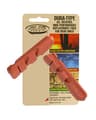
Two pads are on this list because rim brakes and disc brakes take unrelated parts, and roughly half the bikes we recommend use each. Getting this wrong is the most common way an upgrade order ends in a return.
On rim brakes, the compound is the whole decision, and wet braking is what you are buying. On disc brakes, the pad has to match the caliper shape — Shimano alone uses different families for their mountain-derived and road flat-mount calipers. The brake pad guide covers how to identify what yours takes before you order.
What none of this fixes
Worth being straight about. This list will not make a heavy bike light, will not add gears you do not have, and will not turn an ill-fitting frame into a comfortable one — frame size is the thing you cannot upgrade, which is why getting it right at purchase matters more than anything on this page.
It also will not fix a bike that was assembled badly, and a surprising share of “this bike feels wrong” is exactly that. Before spending anything, it is worth checking the brakes and indexing the gears — both are free, both take twenty minutes, and both are wrong out of the box on a meaningful number of boxed bikes.