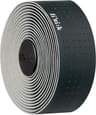
The cheapest part of a drop-bar bike that changes how it feels in your hands - and the only component on it you are expected to throw away and replace.
Buy the TIANXON cork if you want the standard answer: cork over foam, about 2.8mm thick, two rolls and bar plugs in the box, for the price of a sandwich. It is the tape most road bikes have worn for forty years and it is genuinely hard to be disappointed by.
Buy the BV foam if this is your first time wrapping a bar. Your first attempt will be lumpy at the brake lever and you will want to redo it, and doing that on a ten-dollar roll costs nothing.
Bar tape is a consumable. It is the one part of a bike designed to be destroyed by use, and a set that looks gray and feels hard is not a cosmetic problem — it has stopped absorbing anything. Most riders replace it once a year. Almost nobody replaces it on a first bike, because nobody told them they were supposed to.
How this is funded: we earn a commission if you buy through our links, at no extra cost to you. It never changes which bike we recommend, and we will tell you plainly when we would skip one. Full disclosure.
Quick picks
Ranked on published specs, what the listing does and does not tell you, and who each one actually suits. Select a row to jump to the full write-up. We have not ridden these — here is exactly what we do instead.
#
Bike or gear
Best for
Price
1
TIANXON Cork Handlebar Tape
Cork over an EVA backing, and the listing actually publishes the thickness — 2.8 mm, which is the middle of the useful range. The classic road-bike feel at a budget price.
Two rolls of plain EVA foam with adhesive backing, for less than the price of lunch. Your first wrap will go badly and this is the tape to make that mistake on.
A thin, hard-wearing synthetic tape at a published 2 mm, for riders who want to feel the bar rather than pad it. It also wipes clean, which cork never does.
The tape people buy when they have decided grip matters more than money. Tacky enough to hold a bare hand in the rain, and it comes with screw-in plugs rather than push-in ones.
The durability pick. Lizard Skins publish the V2 polymer as up to five times more durable than the version it replaced, which is the claim that matters on a tape you would rather not re-wrap every spring.
Cork over an EVA backing, and the listing actually publishes the thickness — 2.8 mm, which is the middle of the useful range. The classic road-bike feel at a budget price.
Who it is for: Cushion without going to a thick gel tape, at a price that does not sting.
What is good
+Published dimensions: 2100 mm long, 30 mm wide, about 2.8 mm thick — rare on cheap tape
+Cork surface keeps grip when your hands are sweaty, which foam does not
+Two rolls plus bar plugs published in the listing
+Double-sided adhesive backing, so it holds tension while you wrap
What you give up
−Cork sheds a little at the cut ends until it beds in
−Lighter colors stain from bar tape upward, permanently
−Not as durable as a synthetic tape if you crash or lean the bike on the bars
Skip this if. Skip this if you ride in constant wet. Cork holds water and takes a long time to dry; a synthetic polymer tape sheds it and stays grippy through a whole winter.
Published specifications for the TIANXON Cork Handlebar Tape
Material
Cork surface over EVA backing
Published thickness
About 2.8 mm
Published length
2100 mm per roll
Published width
30 mm
Bar plugs included
Yes
Specifications read from the retailer listing on August 18, 2026. “Not published” means the listing does not state that figure — we do not estimate it.
#2Best to learn on
BV EVA Foam Handlebar Tape
Two rolls of plain EVA foam with adhesive backing, for less than the price of lunch. Your first wrap will go badly and this is the tape to make that mistake on.
Who it is for: Your first re-wrap, and for keeping a spare set in the drawer.
What is good
+Two rolls published in the listing — enough for both sides, with plugs and finishing tape
+3M adhesive backing, which is what stops it unwinding as you pull tension
+EVA foam is forgiving to wrap: it stretches into the bend at the brake hoods
+Cheap enough that ruining a roll while you learn costs nothing
What you give up
−Thickness is not published, so you cannot compare it to a spec'd tape
−Foam tears if you pull it hard over the lever clamp
−Light colors mark permanently and cannot be washed clean
Skip this if. Skip this if your hands go numb on every ride. Plain foam is not the cushioned tape you need — a gel or cork tape spreads pressure better and is the reason those exist.
Published specifications for the BV EVA Foam Handlebar Tape
Material
EVA foam
Rolls in the box
2 (published)
Published length
13.77 ft total
Backing
3M adhesive
Thickness
Not published
Specifications read from the retailer listing on August 18, 2026. “Not published” means the listing does not state that figure — we do not estimate it.
#3Best thin tape
Fizik Tempo Microtex Classic 2mm
A thin, hard-wearing synthetic tape at a published 2 mm, for riders who want to feel the bar rather than pad it. It also wipes clean, which cork never does.
Who it is for: Riders who want control and a tape that survives a full season.
What is good
+Published as 2 mm thick, so you know exactly what you are buying
+Perforated leather-like surface wipes clean with a damp cloth
+Thin tape makes the bar smaller in your hand, which suits small hands on a fat bar
+Holds its finish far longer than foam or cork
What you give up
−2 mm is genuinely thin — it will not fix numb hands
−Costs three times a budget cork tape
−Synthetic surfaces feel slippery for the first few rides until they scuff in
Skip this if. Skip this if your complaint is comfort. Thin tape transmits more of the road, not less — you want a cork or gel tape, or a thicker padded wrap, if your hands are the problem.
Published specifications for the Fizik Tempo Microtex Classic 2mm
Material
Microtex synthetic, perforated
Published thickness
2 mm
Rolls in the box
2 (published item count)
Bar plugs included
Not published
Published length
Not published
Specifications read from the retailer listing on August 18, 2026. “Not published” means the listing does not state that figure — we do not estimate it.
#4Best grip in the wet
Supacaz Super Sticky Kush
The tape people buy when they have decided grip matters more than money. Tacky enough to hold a bare hand in the rain, and it comes with screw-in plugs rather than push-in ones.
Who it is for: Riding without gloves, or riding in the wet with them.
What is good
+Tacky surface holds grip when wet, which is the failure point of foam and cork
+Screw-and-expand bar plugs, published as 3 mm — they do not fall out like push-in plugs
+Rubberized finishing tape included, so the ends do not unravel after a month
+Thick enough to take the sting out of rough surfaces
What you give up
−The listing does not publish the thickness
−Four times the price of a budget cork tape
−A tacky surface grabs grit and holds it, so it looks dirty quickly
Skip this if. Skip this if you always ride in full-finger gloves on smooth roads. You are paying for a bare-hand grip you will never use, and a cheaper tape will feel identical through a glove.
Published specifications for the Supacaz Super Sticky Kush
Material
Tacky polymer (Kush)
Bar plugs
Screw-and-expand, 3 mm (published)
Finishing tape
Rubberized, included
Thickness
Not published
Published length
Not published
Specifications read from the retailer listing on August 18, 2026. “Not published” means the listing does not state that figure — we do not estimate it.
#5Longest lasting
Lizard Skins DSP Bar Tape V2
The durability pick. Lizard Skins publish the V2 polymer as up to five times more durable than the version it replaced, which is the claim that matters on a tape you would rather not re-wrap every spring.
Who it is for: Riders who wrap their own bars and want to do it once.
What is good
+Published as up to 5x more durable than the previous DSP polymer
+Textured pattern grips through gloves and in the wet
+Screw-in plugs included
+Does not absorb water the way cork does
What you give up
−Thickness is not published on this listing — the 2.5 mm and 3.2 mm versions are separate ASINs
−The most expensive tape on this page
−The dense polymer is stiffer to wrap than foam; it fights you at the lever clamp
Skip this if. Skip this if this is your first time wrapping bars. Stiff tape is unforgiving of a bad first attempt, and at this price a botched roll hurts — learn on the cheap foam first.
Published specifications for the Lizard Skins DSP Bar Tape V2
Material
DSP polymer (V2)
Durability claim
Up to 5x the previous DSP polymer (published)
Bar plugs
Screw-in, included
Thickness
Not published
Published length
Not published
Specifications read from the retailer listing on August 18, 2026. “Not published” means the listing does not state that figure — we do not estimate it.
Thickness is the whole decision
Everything else — color, brand, texture — is preference. Thickness is the one number that changes what your hands feel, and across the tapes people actually buy it runs from about 2mm to about 3.5mm.
Around 2mm (thin). You feel the bar. Riders with small hands often prefer it, because it keeps the bar diameter down and a hand that can close further around the bar holds it more comfortably for longer.
Around 2.5 to 3mm (standard). The default, and where cork tapes sit. Enough padding to take the edge off rough tarmac without making the bar feel like a pool noodle.
3mm and up (thick). Noticeably cushioned. Worth it on rough gravel or if your hands go numb, at the cost of a vaguer connection to the front wheel — and on a small bar it can make the drops hard to hold.
Here is the honest annoyance: most listings do not publish it. Of the five tapes on this page, two publish a thickness (the TIANXON at about 2.8mm and the Fizik at 2mm) and three do not. Where the number is missing our spec table says so rather than guessing, because a guessed millimeter is exactly the kind of small invention this site exists to avoid.
How much tape do you actually need?
One bike needs two rolls. Both budget tapes here publish two rolls in the box, and the Fizik listing publishes an item count of two. Check this before you order — a single roll arriving after you have already stripped the old tape off makes for a bad evening.
You also want bar plugs and finishing tape. Plugs stop the bar end being an open metal tube, which matters in a crash. The TIANXON, Supacaz and Lizard Skins listings all publish plugs in the box, and the Supacaz plugs screw in and expand rather than pushing in — the difference between plugs that stay and plugs you find in a hedge.
Wrapping it yourself
This is a genuinely beginner-friendly job and it takes about twenty minutes a side the first time. Park Tool publish the full procedure with photographs; the shape of it is (and if you are re-wrapping because you are changing the bar itself, read the handlebar guide first — the clamp-size check in it saves an expensive mistake):
Start at the bar end, leaving about a third of the tape width hanging past the end. That overhang gets tucked into the bar and the plug holds it there.
Wrap upward toward the stem, overlapping each turn by roughly a third and keeping constant tension the whole way. Tension is what stops tape unwinding, not the adhesive.
At the brake lever, peel the rubber hood forward and use the short strip most tapes include to cover the lever clamp before wrapping over it. This is the step people skip, and the reason first attempts have a gap there.
Finish below the stem with a clean angled cut and the finishing tape, then roll the hood back down.
If you are also moving the levers or the bar itself, torque matters — handlebar and lever clamp bolts are among the easiest fasteners on a bike to overtighten into a crack. Our boxed-bike guide covers the torque question in more detail.
When to replace it
Sooner than you think, and the tells are physical rather than cosmetic:
It has gone hard. Press it with a thumbnail. New tape gives and springs back; dead tape is a thin skin over metal.
It has started to unwind at the top. Once the finishing tape lets go, the whole wrap follows within a couple of rides.
It is shiny where your hands sit. A polished patch on the hoods is precisely where you need grip in the rain.
You crashed. Torn tape hides a scraped bar, and on an aluminum bar a deep gouge is a reason to inspect properly, not to re-tape over it.
We have not ridden these bikes. Every site in this category says it tested twenty of them. We have not tested any, and we say so. What we did instead: read the manufacturer listings and manuals, compiled the published specs, worked out the real out-the-door cost, and checked live availability and price. Here is exactly how that works.
Questions people actually ask
How often should you replace bar tape?+
Most riders get a year out of a set, less if the bike lives outside or you ride in the wet a lot. The test is not how it looks: press it with a thumbnail, and if it does not spring back it has stopped cushioning anything and is now just a grip surface. Replace it immediately if it has started unwinding, if it is polished shiny where your hands sit, or after any crash that scraped the bar.
How many rolls of bar tape do I need for one bike?+
Two. One roll wraps one side of the handlebar, so a set for a single bike is two rolls plus two bar plugs and a strip of finishing tape for each side. Most budget tapes are sold as a two-roll set with plugs included; some premium tapes are too, but the listing does not always make it obvious, so check the item count before ordering.
What thickness of bar tape should I get?+
About 2.5 to 3mm suits most riders and most riding, which is where cork tapes sit. Go thinner, around 2mm, if you have small hands or want a more direct feel through the bars. Go thicker, 3mm and up, if you ride rough surfaces or your hands go numb on long rides. Be aware that many listings do not publish a thickness at all: of the five tapes on this page, only two do.
Is cork bar tape better than foam?+
Cork holds grip better when your hands are sweaty and has a more damped feel, which is why it has been the road-bike default for decades. Foam is cheaper, easier to wrap because it stretches into the bends, and shows marks less obviously. Neither is better in the abstract: cork is the better choice for most riders, and foam is the better choice for a first attempt, because you will make a mess of your first wrap.
Can I wrap bar tape myself?+
Yes, and it is one of the best first jobs to learn on a bike. It needs no tools beyond scissors, it is completely reversible, and nothing safety-critical depends on getting it right. Allow about twenty minutes a side for a first attempt and expect the section around the brake lever to look untidy - that is the part everyone gets wrong first time. Park Tool publish the full procedure with photographs.
Does bar tape stop your hands going numb?+
It helps, but it is rarely the whole answer. Numbness usually means too much of your weight is going through your hands, which is a fit issue: saddle too high or tipped nose-down, or the reach to the bars too long. Thicker tape and padded gloves are worth trying because they are cheap, but if numbness persists, look at the bike setup rather than buying thicker padding again.
Sources
Specifications come from the manufacturer or the retailer listing, dated. Where a figure is not published, we say so rather than estimating it.