A five-dollar bottle decides whether your drivetrain lasts one season or three. Wet or dry, how often, and why the degreaser matters more than the lube.
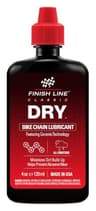
Buy the Finish Line dry lube if you ride mostly dry roads and dusty gravel, which is most people most of the year. It leaves a film that grit does not stick to, and one 4oz bottle lasts a season and a half.
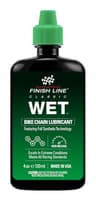
Buy the Finish Line wet lube alongside it if you ride through winter. These are not competing products — they are two answers to two kinds of weather, and between them they cost less than one chain.
The uncomfortable part: lube is the second purchase, not the first. Applying lube over a gritty chain makes a grinding paste that wears the chain, the sprockets and the chainrings faster than running it slightly dry would. If you own nothing yet, buy a cleaning kit and lubricate what you have cleaned.
How this is funded: we earn a commission if you buy through our links, at no extra cost to you. It never changes which bike we recommend, and we will tell you plainly when we would skip one. Full disclosure.
Quick picks
Ranked on published specs, what the listing does and does not tell you, and who each one actually suits. Select a row to jump to the full write-up. We have not ridden these — here is exactly what we do instead.
#
Bike or gear
Best for
Price
1
Finish Line Dry Ceramic Chain Lubricant
A dry lube leaves a waxy film that does not attract grit, which is exactly what you want on a gravel bike. A clean, lubed chain shifts better and lasts three times as long as a dry one.
The winter half of the pair. A wet lube stays on the chain through rain that would wash a dry lube off in an hour, at the cost of collecting more grit.
A wax-based dry lube, published as fully biodegradable. Wax dries to a film that shrugs off dust, which is the correct behavior on a gravel bike in summer.
Scrubber, degreaser and lube in one box, from the brand whose lube most shops stock. If you own nothing for the chain yet, this is the single purchase that covers the whole job.
The same job as the Finish Line kit for roughly half the money, with more pieces and less pedigree. The gear floss and sprocket scraper are the parts people are surprised to find they use.
A dry lube leaves a waxy film that does not attract grit, which is exactly what you want on a gravel bike. A clean, lubed chain shifts better and lasts three times as long as a dry one.
Who it is for: Dry and dusty conditions, which is most gravel riding.
What is good
+Dry-film formula resists picking up dirt, unlike wet lubes
+A lubed chain is the single cheapest way to make a cheap drivetrain shift well
+4oz bottle lasts a very long time — you use a drop per link
What you give up
−Washes off in sustained rain and needs reapplying more often than a wet lube
−Needs a clean chain to work; applying it over grit makes a grinding paste
−No published reapplication interval
Skip this if. Skip this if you ride mostly in the wet. Dry lube washes straight off in sustained rain — a wet-weather lube stays put, at the cost of collecting more grit.
Published specifications for the Finish Line Dry Ceramic Chain Lubricant
Type
Dry ceramic, dirt-resistant film
Size
4 oz
Best conditions
Dry and dusty
Reapplication interval
Not published
Specifications read from the retailer listing on July 23, 2026. “Not published” means the listing does not state that figure — we do not estimate it.
#2Best for rain and winter
Finish Line Wet Bike Chain Lubricant 4 oz
The winter half of the pair. A wet lube stays on the chain through rain that would wash a dry lube off in an hour, at the cost of collecting more grit.
Who it is for: Rain, slush and winter road grime.
What is good
+Formulated for rain and mud — it stays put where dry lube does not
+Water-repelling barrier is what stops a chain going orange after one wet week
+4 oz bottle is a season and a half at a drop per link
+Works on the same chain as your dry lube — you are not committing to anything
What you give up
−Attracts and holds grit, so the chain looks filthy and needs degreasing more often
−No published reapplication interval
−Over-applying is easy and makes the problem worse, not better
Skip this if. Skip this if you ride dry roads and dusty gravel. Wet lube on a dry-dusty chain builds a grinding paste that wears the drivetrain faster than running it slightly dry would.
Published specifications for the Finish Line Wet Bike Chain Lubricant 4 oz
Type
Wet-style lubricant
Size
4 oz
Best conditions
Rain, mud, winter roads
Reapplication interval
Not published
Specifications read from the retailer listing on August 18, 2026. “Not published” means the listing does not state that figure — we do not estimate it.
#3Best wax-based option
Muc-Off Bio Dry Chain Lube
A wax-based dry lube, published as fully biodegradable. Wax dries to a film that shrugs off dust, which is the correct behavior on a gravel bike in summer.
Who it is for: Dry, dusty riding where a wet lube would turn to paste.
What is good
+Wax-based formula published as protecting against contaminants in dry and dusty conditions
+Published as fully biodegradable, which matters if you lube the bike on the driveway
+Runs quieter than an oil lube once it has dried
+4.06 fl oz published bottle size
What you give up
−Wax needs a genuinely clean chain to key onto — applying it over old oil wastes it
−Needs to dry before you ride, so it is not a five-minutes-before-leaving job
−Washes off in sustained rain
Skip this if. Skip this if you will not degrease the chain first. Wax over a dirty chain sits on top of the grit instead of getting into the rollers, and you have paid for nothing.
Published specifications for the Muc-Off Bio Dry Chain Lube
Type
Wax-based dry lube
Size
4.06 fl oz
Biodegradable
Yes (published)
Best conditions
Dry and dusty
Drying time
Not published
Specifications read from the retailer listing on August 18, 2026. “Not published” means the listing does not state that figure — we do not estimate it.
#4Best complete chain kit
Finish Line Pro Chain Cleaner Kit
Scrubber, degreaser and lube in one box, from the brand whose lube most shops stock. If you own nothing for the chain yet, this is the single purchase that covers the whole job.
Who it is for: Doing the whole chain job properly for the first time.
What is good
+Chain scrubber tool does the work a rag cannot — it cleans all sides of the chain at once
+EcoTech degreaser published as safe for O-rings, seals, elastomers and paint
+Includes a dry-style lube, so the sequence is complete: degrease, scrub, lubricate
+Cheaper than buying the scrubber, degreaser and lube separately
What you give up
−The degreaser bottle is finite; you will be buying refills, and refills cost more per ounce
−Scrubber bodies leak if you overfill them — this is universal, not specific to this kit
−The included lube is dry-style only, so wet-weather riders still need a second bottle
Skip this if. Skip this if you already own a chain scrubber and degreaser. You would be paying twice for the tool; buy the lube on its own instead.
Published specifications for the Finish Line Pro Chain Cleaner Kit
In the box
Chain scrubber, degreaser, chain lubricant
Degreaser type
EcoTech, biodegradable (published)
Lube type
Dry-style
Degreaser volume
Not published
Specifications read from the retailer listing on August 18, 2026. “Not published” means the listing does not state that figure — we do not estimate it.
#5Best budget cleaning kit
Ultrafashs 7-Piece Bike Cleaning Kit
The same job as the Finish Line kit for roughly half the money, with more pieces and less pedigree. The gear floss and sprocket scraper are the parts people are surprised to find they use.
Who it is for: A complete drivetrain kit on a budget, including the fiddly bits.
What is good
+Published contents: 10 oz degreaser, 2 oz wet lube, chain scrubber, brush, gloves, sprocket scraper and gear floss
+The included lube is wet-style, which is the harder one to find in a kit
+Sprocket scraper and gear floss reach the packed grime between cassette sprockets
+Bigger degreaser bottle than the Finish Line kit, at a lower price
What you give up
−Brand is not one shops stock, so there is no shop-counter refill path
−The 2 oz lube bottle is small enough to be a sample rather than a season
−Nothing about the plastics is published — durability is unknown
Skip this if. Skip this if you only want the lube. Most of the price here is the tools, and if your chain is new and clean you are buying a scrubber you will not need for months.
Published specifications for the Ultrafashs 7-Piece Bike Cleaning Kit
Specifications read from the retailer listing on August 18, 2026. “Not published” means the listing does not state that figure — we do not estimate it.
Wet, dry and wax, in one paragraph each
Dry lube goes on wet and dries to a waxy film. The point is that dust does not stick to it, which keeps the chain running clean on dry roads and dusty gravel. It washes off in sustained rain, so it needs reapplying more often in bad weather.
Wet lube stays oily. It clings through rain that would strip a dry lube in an hour, which is exactly what you want in winter, and it collects grit for the same reason. A wet-lubed chain in summer turns into black paste.
Wax-based lube is a dry lube taken further: it dries harder and runs quieter, but it is fussier. It wants a genuinely clean chain to key onto, and it wants drying time before you ride. Muc-Off publish theirs as fully biodegradable, which is worth something if you lube the bike on the driveway.
One bottle of each covers a whole year of riding in almost any US climate. There is no third category you are missing.
How often to lube a chain
The honest answer is that no manufacturer publishes an interval, and the ones here do not either — our spec tables say “Not published” because that is the truth. What you can go on instead:
Sound. A dry chain gets noisy before it gets stiff. If you can hear the chain over the road, it wants lube.
Rain. Any ride that finished wet has washed lube off. Wipe the chain down and re-lube once it is dry, or you will find rust spots within a couple of days.
Feel. Back-pedal slowly. A lubed chain runs silently and smoothly; a dry one feels notchy through the pedals.
The technique matters more than the frequency: one drop per roller, back-pedal a few turns to let it work in, then wipe the outside of the chain dry with a rag. Lube belongs inside the rollers, not on the outside plates where it collects dirt. Skipping the wipe is the single most common mistake, and it is why so many bikes have black gunge on the chainstay.
Why the degreaser is the more important purchase
A chain wears from the inside: grit gets between the pin and the roller and grinds. Fresh lube poured over that grit carries it further in. That is the mechanism, and it is why both cleaning kits on this page earn their place over a third bottle of lube.
The sequence is: degrease, scrub, dry, lube, wipe. A chain scrubber does the scrubbing part properly — it holds brushes against all four faces of the chain at once, which no rag can do. The Finish Line kit publishes its degreaser as safe for O-rings, seals, elastomers and paint, which is the property you care about when the spray drifts onto your frame.
The full procedure, including how to avoid soaking your bottom bracket bearings in solvent, is in our chain-cleaning guide.
What this actually saves you
A chain is the cheapest part of the drivetrain and it is designed to wear out first. Left too long, a stretched chain starts wearing the cassette and chainrings to match, and then you are replacing all three instead of one.
The tool that tells you where you are costs about the same as two bottles of lube. Our guide to chain wear covers how to read a chain checker and what the 0.5% and 0.75% marks mean.
One thing to be clear about: none of this makes a cheap drivetrain shift like an expensive one. It keeps the one you have working as designed for as long as possible, which on an entry-level bike is worth considerably more than the upgrade you were considering.
We have not ridden these bikes. Every site in this category says it tested twenty of them. We have not tested any, and we say so. What we did instead: read the manufacturer listings and manuals, compiled the published specs, worked out the real out-the-door cost, and checked live availability and price. Here is exactly how that works.
Questions people actually ask
What is the difference between wet and dry chain lube?+
Dry lube goes on wet and dries to a waxy film that dust does not stick to, which suits dry roads and dusty gravel. Wet lube stays oily and clings through rain, which suits winter and wet climates - and collects grit for exactly the same reason. Neither is better overall: pick by your weather, and if you ride year-round, own one of each. Between them they cost less than a single new chain.
How often should I lube my bike chain?+
No manufacturer publishes an interval, so go by the bike rather than a calendar. Lube when the chain is audible over the road noise, when it feels notchy as you back-pedal, or after any ride that finished wet. In practice that is every few hundred miles in dry weather and after most wet rides. The wiping matters as much as the frequency: one drop per roller, back-pedal, then wipe the outside of the chain dry.
Can I use WD-40 or motor oil on a bike chain?+
Standard WD-40 is a water-displacing spray rather than a lubricant, so it will clean a chain and then leave it effectively dry. Motor oil is far thicker than a bike chain needs and collects grit aggressively. Bicycle-specific chain lube costs about ten dollars a bottle and lasts a season or more, which is not the place to improvise - the drivetrain it protects costs many times that.
Do I need to clean the chain before lubing it?+
If the chain is visibly dirty, yes, and this is the step that actually matters. Lube applied over grit carries the grit into the rollers, where it grinds the pins - which wears the chain faster than running it slightly dry would. If the chain is only lightly dusty, a firm wipe with a rag before re-lubing is enough. A full degrease and scrub is a monthly job for most riders, not a weekly one.
How much chain lube should I use?+
One drop per roller, then back-pedal several turns so it works into the rollers, then wipe the outside of the chain until it looks almost dry. The lube you can see on the outer plates is doing nothing except collecting dirt. A 4oz bottle applied this way lasts most riders well over a year, which is why the bottle size on the listing is rarely the deciding factor.
Is wax chain lube worth it for a beginner?+
It is a good lube but a fussy one. Wax needs a genuinely clean chain to bond to and it needs drying time before you ride, so it punishes a rushed job in a way that oil-based dry lube does not. If you are happy to degrease the chain properly first, it runs quieter and stays cleaner. If you want to lube the bike five minutes before leaving, buy a conventional dry lube.
Sources
Specifications come from the manufacturer or the retailer listing, dated. Where a figure is not published, we say so rather than estimating it.
Park Tool — When to replace a worn chain — The 0.5% / 0.75% / 1.0% chain-wear replacement thresholds and the ruler method for measuring them (accessed August 11, 2026)