Bike Computer vs Phone
Your phone already records rides and navigates. Here is exactly where a $60 bike computer still beats it, where it does not, and the cheaper middle option most riders should start with.
How this is funded: we earn a commission if you buy through our links, at no extra cost to you. It never changes which bike we recommend, and we will tell you plainly when we would skip one. Full disclosure.
Start with a mount for the phone you already own. Buy a computer when your rides outlast your phone battery. That is the whole answer for most first-year riders, and the rest of this page is the evidence for it — including the two cases where it is wrong.
The comparison is usually framed as accuracy, which is the wrong axis. Both record position from the same satellites and both upload to the same apps. The real differences are battery, screen behaviour, what happens when you crash, and whether you want your phone exposed on the bars at all.
Where the phone wins
- Navigation. Turn-by-turn routing on a phone is better than anything a budget computer offers. Neither of the budget computers in our registry publishes navigation as a feature at all.
- Cost. A mount is a fraction of a computer, and you already own the expensive part.
- Screen. Bigger, brighter, and a map rather than a data field.
- It is already with you. You were taking the phone anyway, so the only question is whether it rides in a pocket or on the bars.
Where the computer wins
- Battery. This is the real one. The iGPSPORT BSC100S publishes 40 hours. A phone running GPS with the screen on is measured in hours, and on a long ride you are choosing between your ride data and being able to call someone.
- Always-on glanceability.Speed, distance and time visible without unlocking anything, in a unit designed to be read at arm’s length in bright light.
- Weather and crash exposure. A $60 computer taking a hit is an annoyance. A phone taking the same hit is a different afternoon.
- Published water ratings. The CYCPLUS G1 publishes IPX6, which is a defined rating on the IEC scale rather than a marketing word. Not every unit publishes one, and where it is absent we treat it as unknown.
The published specs, side by side
From the listings of the units in our own registry, on the dated visits recorded in each product entry. Where a figure is absent from the listing, this table says so rather than filling it in.
| What matters | Budget bike computer | The phone you own |
|---|---|---|
| Battery, as published | iGPSPORT BSC100S: 40 hours published. CYCPLUS G1: 1200mAh battery, runtime not published | Hours, and GPS plus a lit screen is the heaviest thing a phone does |
| Water rating, as published | CYCPLUS G1: IPX6. iGPSPORT BSC100S: not published | Usually rated, but the mount is the weak point, not the phone |
| Turn-by-turn navigation | Neither budget unit publishes navigation | Yes, and better than any computer under $200 |
| Screen in sunlight | BSC100S: 2.6" LCD. G1: 2.0" screen, 70g total | Bright, at a real battery cost |
| What happens in a crash | A $60 device | Your phone, and your way of calling for help |
How to decide, in four questions
- How long are your longest rides? Under two hours, the phone is fine. Over four, battery decides it and the computer wins.
- Do you ride somewhere new, or the same roads? New roads mean navigation, which means the phone. The same loop means data fields, which means the computer.
- Would you be upset if it hit the road? If yes, keep the phone in your pocket and put a cheap computer on the bars.
- Do you want sensors later? Heart rate and cadence pair with both, but a computer is where they are least fiddly, and some are sold as a bundle. The bundled options are here.
What each route needs
A mount if you are using the phone, a computer if you have answered the battery question. All four are in our registry with their listing specs recorded; prices are live.
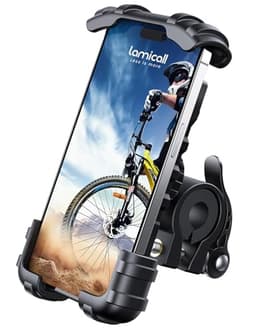
Lamicall Bike Phone Holder
The cheapest honest way to get navigation on the bars, with a lockable handlebar clamp and one-hand operation published.
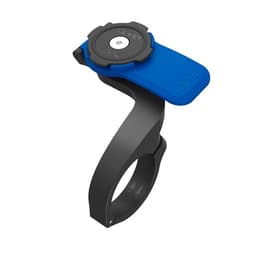
Quad Lock Out Front Handlebar Mount (V3)
A twist-lock out-front mount for a phone you would be genuinely upset to lose -- positive attachment rather than friction.
$39.99 · View on AmazonPrice as of October 21, 2026. #ad How we’re funded
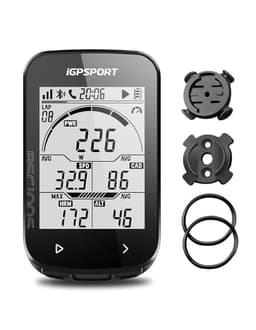
iGPSPORT BSC100S GPS Bike Computer
The battery answer: 40 hours published, which is the one spec a phone cannot match on a long day.
$34.99 · View on AmazonPrice as of October 21, 2026. #ad How we’re funded
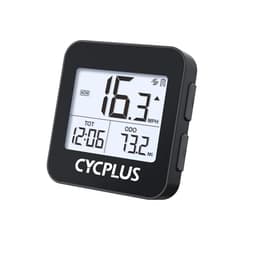
CYCPLUS G1 Wireless GPS Bike Computer
GPS recording at the lowest honest price, and the only unit here that publishes a water rating (IPX6).
We have not ridden or tested these — every specification comes from the manufacturer or the retailer listing, dated. Here is exactly what we do instead.
The option nobody mentions
Buy neither, for now. A ride you do not record still happened, and the number of first-year riders who stop riding because they had no data is zero. If you are deciding between a computer and a set of padded shorts, buy the shorts — the starter kit covers what genuinely is not optional, and a computer is not on it.
If you do want the data, the honest order is: phone in a pocket with the app running (free), then a mount (cheap), then a computer (when battery or exposure forces it). Each step solves a problem you have actually had rather than one you have been told about.
One more thing worth saying: a computer does not make you faster and neither does an app. What it does is make the training you already do visible, which some riders find motivating and others find tiresome. Knowing which you are is worth more than either spec sheet. Where this fits into getting started.
Questions people actually ask
Do I need a bike computer if I have a phone?
No. A phone records rides and navigates better than any budget computer. A dedicated computer earns its place when ride length exceeds your phone battery, when you want the screen visible without unlocking anything, or when you would rather not have your phone exposed on the bars.
Is a bike computer better than Strava on a phone?
For recording the ride, they do the same job -- most budget computers upload to the same apps. The difference is battery life and dedicated hardware, not data quality. For navigation, the phone is clearly better at this price.
What is the cheapest way to get GPS on my bike?
A handlebar mount for the phone you already own. It costs a fraction of a computer and gives you navigation, and you can decide later whether a dedicated unit is worth it.
Will a phone mount damage my handlebars?
Not if you tighten the clamp to a sensible torque rather than as hard as it will go. Over-tightening a clamp is how handlebars get crushed or cracked, and carbon bars are less forgiving than aluminum.
Is it safe to leave a phone on the handlebars in the rain?
The phone is usually rated for water; the mount is the risk. A twist-lock mount designed to hold the phone positively is a different proposition from a spring clamp, and neither publishes a rating for staying attached over potholes.
What does IPX6 mean on a bike computer?
It is a published ingress protection rating meaning the unit resists powerful water jets, under the IEC's standard scale. The X means the dust digit was not tested. An unpublished rating is not a rating at all -- treat it as unknown rather than as weatherproof.
Do cheap bike computers do navigation?
Generally no, and neither of the budget units in our registry publishes navigation as a feature. Turn-by-turn routing is where money starts to matter, and below about $200 the phone wins outright.
Sources
Specifications come from the manufacturer or the retailer listing, dated. Where a figure is not published, we say so rather than estimating it.
- IEC — Ingress Protection (IP) ratings — The IEC 60529 standard behind IPX6 and IPX7: the first digit rates solids, the second liquids, and IPX7 is defined as 30 minutes' immersion at up to 1 meter (accessed August 13, 2026)
- Park Tool — Torque specifications and concepts — Published torque figures for common bicycle fasteners and why over-tightening is the usual failure (accessed August 11, 2026)
Read next
Best Cycling Computers
Every computer in the registry compared, including the units with sensor bundles.
See the computer picksBest Bike Phone Mounts
The free-ish route to GPS, with the clamp and fit notes on each mount.
See the mount picksWhat to Bring on a Bike Ride
Where a phone sits in the list of things you actually need with you.
Read the guideBest Cycling Gifts Under $150
Both sides of this comparison live in this price band, if you are buying for someone else.
See the gift picks