What to Bring on a Bike Ride
Five things that fit in a saddle bag and turn a walk home into a twenty-minute delay. Plus what to add as the rides get longer.
How this is funded: we earn a commission if you buy through our links, at no extra cost to you. It never changes which bike we recommend, and we will tell you plainly when we would skip one. Full disclosure.
Almost nothing goes wrong on a bike ride. When something does, it is a puncture — and the difference between a puncture and a walk home is about four hundred grams of kit in a bag you never open.
This is the list. It has not changed in thirty years and it does not need to.
The five essentials
- A spare tube in your tire size. Read the ETRTO number on your sidewall — 40-622 or similar — and buy a tube that covers it. The second number must match; the first only needs to fall within the tube’s stated range.
- Two tire levers. One is not enough on a tight tire and the metal ones will damage your rim. Plastic, two of them, in the bag.
- A pump or CO2 inflator. A tube with no air in it is decoration. If you use CO2, carry a spare cartridge — the first roadside tube change is frequently not the successful one. Our mini pump and inflator roundup compares six of them on the head and the hose, which is what decides whether one actually gets you home.
- A multitool with hex keys. Almost every adjustment on a bike is a hex bolt. A seatpost that slips or a bottle cage that rattles loose is a thirty-second fix with one and a ruined ride without.
- Phone, a card and some cash. The cash is for the situations where the phone is dead or there is no signal, which is precisely when you need it.
All five fit in a small saddle bag. Pack it once, leave it on the bike, and check the tube is still in there twice a year.
The saddle-bag kit
Four items, all of which live on the bike permanently. Buy the tube in your own size - check your sidewall first.
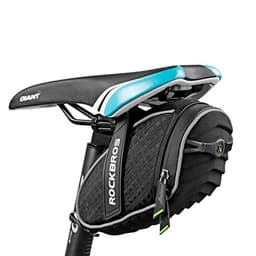
Rockbros Under-Seat Saddle Bag
Holds a tube, levers and a multitool without swinging about. This is the bag the rest of the list lives in.
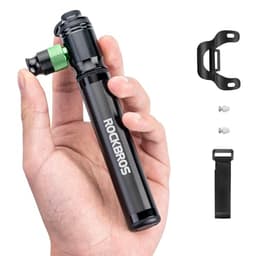
Rockbros Mini Pump with CO2 Inflator
A mini pump and CO2 head in one, so you have a fast option and an unlimited one.
$24.99 · View on AmazonPrice as of October 21, 2026. #ad How we’re funded
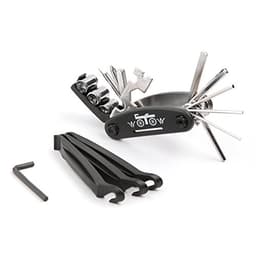
WOTOW 16-in-1 Bike Repair Tool Kit
Hex keys, screwdrivers and a chain breaker folded into something the size of a phone.
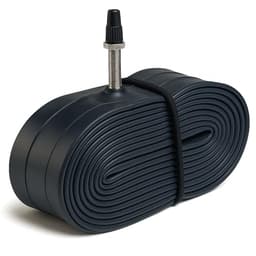
WTB Inner Tube 700 x 28-38
A 700c tube to keep in the bag - check the width range on the listing against the ETRTO number on your tire.
$8.95 · View on AmazonPrice as of October 21, 2026. #ad How we’re funded
We have not ridden or tested these — every specification comes from the manufacturer or the retailer listing, dated. Here is exactly what we do instead.
Add these once rides pass about two hours
- Food. Anything you will actually eat. Two hours is roughly where most riders start needing something, and the signal that you left it too late is feeling suddenly, disproportionately terrible.
- A second bottle. Or a refill plan. Most drop-bar frames have mounts for two — use them.
- A packable wind or rain layer. Descending wet and cold is the most miserable thing on a bike, and a jacket that folds into a jersey pocket prevents it.
- A second tube or a patch kit. Two punctures in a ride is rare and it does happen, usually because the thing that caused the first one is still in the tire.
Add these for riding away from streetlights
- Lights, even in daylight. A daytime running tail light is the single cheapest visibility upgrade there is, and federal rules require a rear reflector on new bikes precisely because being seen from behind is the problem.
- A layer for the stop. You stay warm while pedaling; you get cold within minutes of stopping.
- A route on your phone, and a rough idea of it in your head. Phones run out of battery on long days.
What to leave at home
The failure mode at the other end is a bag so full you stop taking it. Things that sound sensible and mostly are not, on a normal ride:
- A full tool roll. If a job needs more than a multitool, you are not fixing it at the roadside anyway.
- A spare tire. A cut that needs a new tire is rare, and a folded banknote or an energy-bar wrapper will boot a gash well enough to get home.
- A backpack, for anything under three hours. It makes your back sweat, it moves weight onto your hands, and everything in it fits on the bike instead.
And the honest prerequisite for all of this: know how to use it. Change a tube once in your kitchen before you need to do it at the roadside in the rain, and make sure you can work your own valves — Presta valves catch out more first-time riders than any other part of the job.
If your riding is turning into transport rather than recreation, the list changes slightly — the commuting guide covers what to add.
Questions people actually ask
What should I take on a bike ride?
Five things, every ride: a spare tube in your tire size, tire levers, a pump or CO2 inflator, a multitool, and a phone with a card and some cash. Water on anything over about half an hour. That set fits in a small saddle bag, weighs almost nothing, and covers the one failure that actually strands people - a puncture a long way from home.
What size spare tube do I need?
Read the ETRTO number on your tire sidewall - something like 40-622 - and buy a tube whose range covers it. Tubes are sold to cover a span of widths, so a 700x35-43c tube suits a 40mm tire. Getting the diameter right matters absolutely; being within the stated width range is what matters after that.
Do I need to carry a pump on every ride?
Yes, or a CO2 inflator, because a spare tube is useless without a way to inflate it. A mini pump is slower but unlimited; CO2 is fast but you have as many attempts as you have cartridges, and a beginner's first roadside tube change often takes two. Carrying a small pump as well as CO2 is the belt-and-braces answer and it still weighs very little.
What should I carry on a long ride?
The five essentials plus food, a second bottle, a packable rain layer, and a spare tube if you have used the first one. Over three or four hours, food stops being optional - a bonk is not dangerous but it will make the last hour miserable. A second tube and a patch kit is the difference between one puncture ending a ride and two ending it.
Where do you carry stuff on a road bike?
A small saddle bag under the seat is the default: it takes a tube, levers and a multitool and never gets in the way. Jersey pockets take the phone, food and a rain jacket. A frame bag or a top tube bag adds capacity for longer rides. What most experienced riders avoid is a backpack - it makes your back sweat and it puts weight on your hands.
Should I carry ID when cycling?
Yes, and it costs nothing. Carry a card or ID with your name, and put an emergency contact in your phone where a stranger can find it without unlocking it - most phones have a medical ID or emergency contact feature on the lock screen. If you have a condition or allergy that a paramedic would want to know about, that is where it belongs.
Sources
Specifications come from the manufacturer or the retailer listing, dated. Where a figure is not published, we say so rather than estimating it.
- Park Tool — Tire, wheel and inner tube fit standards — The ISO/ETRTO bead-seat table: 700c is 622 mm, 650B/27.5in is 584 mm, 650C is 571 mm, and none of them interchange. Also the rule of thumb that ISO tire width should be roughly 1.5 to 2 times the internal rim width (accessed August 18, 2026)
- 16 CFR § 1512.16 — Requirements for reflectors — The federal reflector requirement every new bicycle ships with, and what it does not cover (an active light) (accessed August 11, 2026)
- League of American Bicyclists — Ride Better Tips — Published riding guidance: ride with the flow of traffic, stay out of the door zone even where that means leaving the bike lane, ride in a straight line past parked cars, cross railroad tracks perpendicular (accessed August 18, 2026)
Read next
How to Fix a Flat Tire
The reason you are carrying any of this, in eleven steps.
Read the guideBest Bike Bags and Bikepacking Bags
Saddle bags, frame bags and where each one fits.
See the bag picksFirst-Bike Starter Kit
Everything to buy alongside the bike, in priority order.
See the kitBest Bike Water Bottles and Cages
Water is the sixth thing, and your frame already has the mounts.
See the picks