Four pads for under $20, split the way the decision actually splits: disc or rim first, then compound. Plus the pattern mistake that turns the right pad into the wrong part.
On a disc-brake bike ridden on roads and dry gravel, buy the Eastern Power resin pads. They are quiet, they bite from cold, Park Tool rate organic compounds best for initial bite and for rotor life, and this listing publishes the pad dimensions — which is the one number that lets you check the fit before you order. If your riding involves rain or real descents, the Corki semi-metallic pads trade some silence for wet performance and come as two pairs.
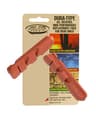
On a rim-brake bike, the Shimano R55C4 set is the like-for-like replacement with the bolts included, and the Kool Stop Salmon inserts are the cheapest genuine upgrade on this site: an insert swap into the holders already on your bike, in a compound Kool Stop publish as their aggressive all-weather option. Everything on this page costs less than $20.
How this is funded: we earn a commission if you buy through our links, at no extra cost to you. It never changes which bike we recommend, and we will tell you plainly when we would skip one. Full disclosure.
Quick picks
Ranked on published specs, what the listing does and does not tell you, and who each one actually suits. Select a row to jump to the full write-up. We have not ridden these — here is exactly what we do instead.
#
Bike or gear
Best for
Price
1
Eastern Power B01S/B03S/B05S Resin Disc Brake Pads
The quiet, cheap default for a budget disc bike. Resin pads bite well from cold and stay quiet, which is what most riding actually asks for, and this listing publishes the one number that matters — the pad's dimensions.
The compromise pad, and the right one if you ride in weather or somewhere with real descents. Semi-metallic sits between the quiet resin pad and the noisy long-lived metallic one, which is where most riders belong.
Shimano R55C4 Rim Brake Pads (2 pairs, with bolts)
The like-for-like replacement for the rim brakes on most Shimano-equipped road bikes, and the safe default if you do not want to think about compounds at all. Four pads and the bolts, which is both wheels done.
Kool Stop Salmon Brake Pad Inserts (Dura-Ace/Ultegra)
The cheapest upgrade on this entire site. Kool Stop describe their salmon compound as their aggressive all-weather option, especially in the wet — and wet rim braking is the single worst thing about a rim-brake bike.
Eastern Power B01S/B03S/B05S Resin Disc Brake Pads
The quiet, cheap default for a budget disc bike. Resin pads bite well from cold and stay quiet, which is what most riding actually asks for, and this listing publishes the one number that matters — the pad's dimensions.
Who it is for: A first disc-brake bike ridden on roads and dry gravel.
What is good
+Publishes the pad dimensions (30.5 x 35 x 4 mm), so you can measure your old pad and check before ordering
+The listing names the specific Shimano and Tektro calipers it is cut for, rather than claiming to fit everything
+Resin compound: Park Tool rate organic pads best for initial bite and for rotor longevity
+Cheap enough to keep a spare set in the toolbox, which is where pads belong
What you give up
−Park Tool rate organic pads worst of the three compounds for durability in the wet
−Unbranded manufacturer — the compound is described in the listing but not to any published standard
−The B01S shape is a Shimano MTB and Tektro pattern; Shimano's flat-mount road calipers take an L-series pad instead
−No published expected life, and no wear indicator on the pad itself
Skip this if. Skip this if your bike has Shimano's road or gravel flat-mount calipers, such as GRX or 105 — those take an L-series pad and this will not fit. Measure the pad you are removing before you order anything.
Published specifications for the Eastern Power B01S/B03S/B05S Resin Disc Brake Pads
Fits
Disc brakes, Shimano B01S/B03S/B05S and Tektro patterns
Pad dimensions
30.5 x 35 x 4 mm (published)
Compound
Resin/organic (semi-metallic and polymetallic also listed)
Quantity
Varies by option selected
Expected life
Not published
Specifications read from the retailer listing on September 5, 2026. “Not published” means the listing does not state that figure — we do not estimate it.
The compromise pad, and the right one if you ride in weather or somewhere with real descents. Semi-metallic sits between the quiet resin pad and the noisy long-lived metallic one, which is where most riders belong.
Who it is for: Wet commutes and hilly rides on a budget disc bike.
What is good
+Two pairs, so front and rear are covered in one order
+The listing lists the specific TRP, Tektro and Shimano calipers it is cut for
+Semi-metallic sits mid-range on Park Tool's compound comparison rather than being worst at anything
+Corki publish their own compound ladder — resin for casual, semi-metallic for frequent, sintered for aggressive — which is more than most sellers do
What you give up
−More metal in the pad means more noise than resin, particularly when damp
−Harder on the rotor over time than an organic pad, which Park Tool rate best for rotor longevity
−No published pad thickness or expected mileage
−Same shape caveat as any B01S-pattern pad — it does not fit Shimano's flat-mount road calipers
Skip this if. Skip this if your riding is dry and mostly flat and you value silence. Resin pads are quieter, kinder to the rotor and cheaper, and nothing about a gentle commute demands more than they give.
Published specifications for the Corki Cycles Semi-Metallic Disc Brake Pads (2 pairs)
Fits
Disc brakes, TRP / Tektro / Shimano patterns (see listing)
Compound
Semi-metallic
Quantity
2 pairs (4 pads)
Pad thickness
Not published
Expected life
Not published
Specifications read from the retailer listing on September 5, 2026. “Not published” means the listing does not state that figure — we do not estimate it.
#3Best rim pad, like-for-like
Shimano R55C4 Rim Brake Pads (2 pairs, with bolts)
The like-for-like replacement for the rim brakes on most Shimano-equipped road bikes, and the safe default if you do not want to think about compounds at all. Four pads and the bolts, which is both wheels done.
Who it is for: Replacing worn rim pads on a Shimano-braked road bike with the same part.
What is good
+The listing states R55C4 explicitly, so you can match it against the part number already on your bike
+Two pairs — front and rear in one purchase, which is how pads actually get replaced
+Fixing bolts included; the old ones are usually the part you drop on the garage floor
+Listed for aluminum rims, which is what every rim-braked bike on this site has
What you give up
−Cartridge inserts only fit cartridge-type holders — a bike with one-piece pads needs a different shape entirely
−Explicitly for aluminum rims; carbon rims need a carbon-specific compound and these are not it
−The listing publishes no pad thickness, compound detail or expected mileage
Skip this if. Skip this if your bike has disc brakes. Rim pads and disc pads are unrelated parts, and the fact that both are called brake pads is one of the more expensive naming accidents in cycling.
Published specifications for the Shimano R55C4 Rim Brake Pads (2 pairs, with bolts)
Fits
Rim brakes (cartridge holders)
Part number stated
R55C4 (listed as the new version of R55C3)
Rim material
Aluminum (as listed)
Quantity
2 pairs (4 pads), bolts included
Pad thickness
Not published
Compound
Not published
Specifications read from the retailer listing on September 5, 2026. “Not published” means the listing does not state that figure — we do not estimate it.
#4Best rim pad for wet
Kool Stop Salmon Brake Pad Inserts (Dura-Ace/Ultegra)
The cheapest upgrade on this entire site. Kool Stop describe their salmon compound as their aggressive all-weather option, especially in the wet — and wet rim braking is the single worst thing about a rim-brake bike.
Who it is for: A rim-brake bike that will get ridden in the rain.
What is good
+Kool Stop publish the salmon compound as being for extreme all-weather conditions, especially the wet, and still superb in the dry
+Slides into the same Shimano-pattern cartridge holders already on the bike, so it is an insert swap rather than a new holder
+Costs less than a takeaway coffee run and changes how the bike stops in rain
+A named compound from a brake specialist, rather than an unbranded pad with no stated formulation
What you give up
−Inserts only — no holders and no bolts in this listing, so you are reusing what is on the bike
−Salmon compound leaves a visible colored deposit on the rim, which some people dislike
−The Amazon listing itself publishes nothing beyond size and color; the compound description comes from Kool Stop
−Softer all-weather compounds generally wear faster than a hard dry-weather pad
Skip this if. Skip this if your holders are not the Shimano Dura-Ace/Ultegra pattern, or if you never ride in the wet — the standard black compound is cheaper and lasts longer on dry roads.
Published specifications for the Kool Stop Salmon Brake Pad Inserts (Dura-Ace/Ultegra)
Fits
Rim brakes, Dura-Ace/Ultegra pattern holders
Compound
Salmon (Kool Stop's all-weather compound)
Type
Insert only (no holder)
Size listed
Dura-Ace/Ultegra
Pad thickness
Not published
Specifications read from the retailer listing on September 5, 2026. “Not published” means the listing does not state that figure — we do not estimate it.
Two questions, in this order
Brake pads are the only part on this site where buying the right thing is genuinely harder than choosing it. Work through it in this order and the decision takes two minutes:
Disc or rim? Look at where the brake grips. If the pads squeeze the edge of the wheel, you have rim brakes. If there is a small metal rotor at the center of the wheel and a caliper gripping that, you have discs. Rim pads and disc pads are unrelated parts that happen to share a name.
Which pattern? This is the step people skip and it is the one that gets the wrong part delivered. Disc pads are cut to a caliper-specific shape; rim cartridge inserts have to match the holder already on the bike. Pull the old pad out and measure it, or photograph it, before you order.
Then compound. Resin for quiet and dry, semi-metallic for wet and hilly, salmon for a rim-brake bike that sees rain. This is the only part of the decision where there is a preference rather than a right answer.
What each of these actually publishes
Read from the listings on the dates in each product’s own entry. Note the column that is almost entirely missing across the category: pad thickness. Not one of these four listings publishes it, which is why the replacement threshold on this site comes from Park Tool rather than from a manufacturer figure.
Pad
Brake type
Compound
Fits (as listed)
Published figures
Eastern Power B01S resin
Disc
Resin / organic
Shimano B01S/B03S/B05S and Tektro patterns (listed)
30.5 x 35 x 4 mm pad dimensions
Corki semi-metallic
Disc
Semi-metallic
TRP, Tektro and Shimano patterns (listed)
2 pairs per pack; compound ladder published by Corki
Shimano R55C4
Rim (cartridge)
Not published
Shimano cartridge holders, aluminum rims
Part number R55C4; 2 pairs, bolts included
Kool Stop Salmon inserts
Rim (cartridge inserts)
Salmon, all-weather
Dura-Ace / Ultegra pattern holders
Compound description, from Kool Stop's own page
Disc compounds, in plain language
Resin (also called organic). Quiet, good bite when cold, kindest to the rotor. Park Tool rate organic pads best for initial bite and rotor longevity, and worst for durability in the wet. This is the right default for a first disc bike.
Semi-metallic. More metal in the mix: better in rain and on long descents, louder when damp, harder on the rotor. The compromise, and the one to buy if your commute happens whatever the weather.
Sintered (metallic). Longest-lived and strongest in the wet, the noisiest, and the hardest on rotors. Nothing on this page is sintered, because on a first road or gravel bike the noise and rotor wear are a poor trade for durability you will not reach.
Rim pads: the cheapest braking upgrade there is
Wet rim braking is the single worst characteristic of a rim-brake bike, and a $8 set of inserts in a named all-weather compound does more about it than anything else you can buy. Kool Stop publish the salmon compound as their aggressive all-weather option; the Amazon listing itself publishes nothing but a size and a color, which is exactly why our page cites Kool Stop’s own compound page instead of implying the retailer said it.
Two fitment notes that decide whether you can use them at all. Inserts need cartridge-type holders — the kind where a small pad slides out of a metal shoe. A bike with one-piece pads (shoe and pad molded together) needs a whole new pad, not an insert. And both rim options here are listed for aluminum rims; carbon rims need a carbon-specific compound, which is not something either of these listings claims to be.
When to replace them, and how to tell
Pads are a wear item, and the useful signals are visual rather than a mileage number. On discs, Park Tool’s threshold is about 1 mm of pad material remaining including the backing plate — and since no listing on this page publishes a new-pad thickness, that is the figure our guide uses. The replacement guide walks the whole check, including what a contaminated pad looks like and why cleaning one rarely works.
On rims, the grooves in the pad surface are the indicator: when they are gone, the pad is done, and a pad worn past the grooves starts chewing the rim — which is a far more expensive part. Adjusting the new pads takes about ten minutes and is the step that decides whether the new pads feel better than the old ones.
What we would spend
About $10 on the resin pads for a disc bike, or about $8 on the salmon inserts for a rim-brake bike, and keep the spare set in the toolbox so the job happens the day you notice rather than the week after. If you commute year-round on discs, buy the semi-metallic pair instead and accept a little noise.
One thing worth knowing before you buy anything: if your braking feels weak but the pads still have material, the problem is usually adjustment, a glazed pad surface or contamination, not wear. The disc-versus-rim comparison covers which system you have and what each one is actually good at, and hydraulic versus mechanical explains why two disc bikes can feel completely different at the lever.
We have not ridden these bikes. Every site in this category says it tested twenty of them. We have not tested any, and we say so. What we did instead: read the manufacturer listings and manuals, compiled the published specs, worked out the real out-the-door cost, and checked live availability and price. Here is exactly how that works.
Questions people actually ask
How do I know which brake pads fit my bike?+
Take the old pad out and compare it. For disc pads, the shape is caliper-specific — the Eastern Power listing publishes 30.5 x 35 x 4 mm, so you can measure yours against that. For rim pads, check whether you have cartridge holders (a pad that slides out of a metal shoe) or one-piece pads, because inserts only fit the former.
Resin or semi-metallic disc pads?+
Resin if your riding is mostly dry and you want quiet brakes that bite from cold. Semi-metallic if you ride in rain or do long descents, accepting more noise and more rotor wear. Park Tool rate organic pads best for initial bite and rotor longevity, and worst for wet durability — that trade is the whole decision.
How long do bike brake pads last?+
No listing on this page publishes a mileage figure and we will not invent one. Pad life depends on compound, weather, terrain and how hard you brake, and it varies by a factor of several. Check them instead: Park Tool's disc threshold is about 1 mm of material remaining including the backing plate.
Will B01S pads fit my road bike's disc brakes?+
Only if your calipers take that pattern. B01S is a Shimano MTB and Tektro shape. Shimano's flat-mount road and gravel calipers — GRX, 105, hydraulic Tiagra — take an L-series pad instead, and a B01S pad will not fit them. Measure the pad you are removing before ordering.
Are Kool Stop Salmon pads worth it?+
On a rim-brake bike ridden in the wet, they are the cheapest worthwhile upgrade we know of. Kool Stop publish the salmon compound as their aggressive all-weather option, and wet rim braking is where a rim-brake bike is weakest. They are inserts, so you need Dura-Ace/Ultegra-pattern cartridge holders already on the bike.
Why are my new brake pads squealing?+
Usually bedding-in, contamination, or a caliper that is not aligned. New pads need a few firm stops to bed to the rotor. If the noise persists, check for oil on the rotor or pads — degreaser and chain lube are the usual culprits — and check alignment. Semi-metallic and sintered pads are intrinsically louder than resin, especially damp.
Can I use disc brake pads on rim brakes?+
No. They are entirely different parts that share a name. Rim pads press a rubber-like block against the side of the wheel; disc pads press a small friction pad against a steel rotor. Buying the wrong category is the most common brake-pad mistake, which is why this page splits on that question first.
Sources
Specifications come from the manufacturer or the retailer listing, dated. Where a figure is not published, we say so rather than estimating it.
Park Tool — Disc brake pad removal and installation — The published replacement threshold - pad material should measure at least 1 mm thick - plus the compound comparison: organic gives the best initial bite and the best rotor longevity but the poorest wet durability, semi-metallic sits in the middle, and metallic lasts longest in the dry while generating more noise. Also the contamination test: a darkness on the rotor and pads that smears when rubbed with a finger (accessed September 5, 2026)
Park Tool — Brake pad replacement, rim brakes — The three rim brake pad systems (road, threaded stud, smooth stud), the rule that a holder's closed side always faces forward, the guidance that the caliper arm should be close to vertical as the pad strikes the rim, and the point that pad material hardens with age as well as wearing thin (accessed September 5, 2026)
Kool Stop — Brake pad compound descriptions — The manufacturer's own definitions of every compound they sell. Salmon is described as an aggressive compound for extreme all-weather conditions, especially in the wet, but still superb in the dry; black is the standard compound designed for dry-condition riding; dual is a fusion of black and salmon (accessed September 5, 2026)