Why Your Bike Saddle Hurts
Four free adjustments to try before you buy anything, how to tell which kind of pain you have, and the one symptom that means stop riding and change something today.
How this is funded: we earn a commission if you buy through our links, at no extra cost to you. It never changes which bike we recommend, and we will tell you plainly when we would skip one. Full disclosure.
A new saddle is the thing most riders buy first and the thing that fixes it least often. Saddle pain is usually a position problem, not a hardware problem, and the position fixes are free. Work through them in order before spending anything.
One exception, and it is important: numbness is not soreness. Soreness is tissue adapting. Numbness means something is compressed, and it is the one symptom not to ride through.
The four free adjustments, in order
- Level the saddle. Put a spirit level or a phone level across it. Nose tilted down slides you forward onto the narrow part; nose tilted up puts pressure exactly where you do not want it. Level is the default, and small deviations from level are a preference to arrive at later, not a starting point.
- Set the height.With your heel on the pedal at the bottom of the stroke, your leg should be almost straight; with the ball of your foot there, you should have a slight bend. If your hips rock side to side as you pedal, it is too high — and rocking is the most common cause of one-sided soreness.
- Set fore-aft. The saddle rails let you slide the saddle forward and back. Too far forward puts weight on your hands and your soft tissue; too far back makes you reach. This adjustment changes your reach to the bars as well, which is why it comes third.
- Check the bar height. Bars much lower than the saddle rotate your pelvis forward and put weight on the front of the saddle. Raising the bars is often the fix for front-of-saddle pain, and it costs nothing on most bikes.
Change one thing at a time, by 5mm or one degree, and ride for a few rides before changing the next. The full fit sequence, with how to measure each one.
Diagnose it by symptom
Match what you actually feel to the likely cause. The “first fix” column is what to change before buying anything.
| What you feel | Usually means | First fix (free) | If that fails |
|---|---|---|---|
| Sore sit bones, both sides, after an hour | Saddle too soft, too narrow, or no padded shorts | Padded shorts first, then a firmer saddle of the right width | Shorts |
| Pain at the front, or numbness | Nose of the saddle tilted up, or saddle too high | Level the saddle, then drop it 5mm at a time | A relief-channel or noseless saddle, if adjustment fails |
| Chafing on the inner thigh | Saddle too wide, or seams in the wrong clothing | Proper cycling shorts with no seam in the contact area | Shorts |
| Rocking side to side, one side sore | Saddle too high | Lower until your hips stay level through the pedal stroke | None |
| Sliding forward onto the nose | Saddle nose tilted down | Level it, or tilt the nose up by a degree | None |
What to look for if you do buy something
Two purchases are worth making, and they are in this order for a reason: shorts before saddles. Shorts are cheaper, they help every saddle you will ever own, and they address friction, which hardware cannot.
- Padded shorts with no seam in the contact area. This is the single most effective purchase for saddle comfort, and bibs stay in place better than waist shorts on long rides. Which style to start with.
- Width before padding.A saddle that matches your sit-bone spacing matters more than how soft it is. Measure at home with cardboard — sit, find the two dents, measure centre to centre, add roughly 20-30mm. Be aware that most budget saddle listings do not publish a width at all, which is a real gap when you are shopping.
- A central relief channel, if the pain is at the front. A cutout or groove down the middle removes material from exactly the area that goes numb.
- A noseless design, as the last resort. If numbness persists after adjustment and a relief channel, this is the design NIOSH research examined for pressure relief. It needs a short adaptation period because you lose the saddle nose as a steering reference.
What this needs, in buying order
Shorts first, because they help on any saddle. A relief-channel saddle next. A noseless saddle only if numbness survives everything else. Prices are live.
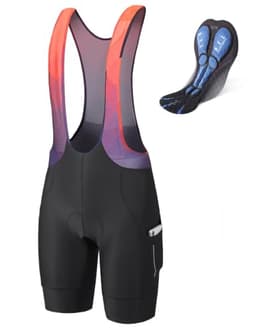
Baleaf Men's 4D Padded Bib Shorts
The cheapest effective fix for sit-bone soreness and chafing, with a published 4D gel pad and no seam in the contact area.
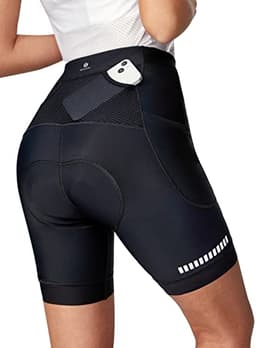
Heathyoga Women's 4D Padded Bike Shorts
The same fix with a women's pad shape, in a waist-short cut that is easier to live with for stop-start riding.
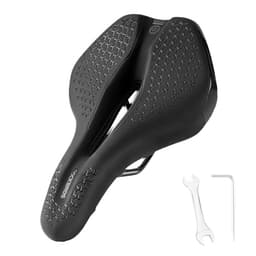
Rockbros Wave Ergonomic Comfort Saddle
A central relief channel at the lowest price in our registry -- the first saddle to try when adjustment has not solved front-of-saddle pressure.
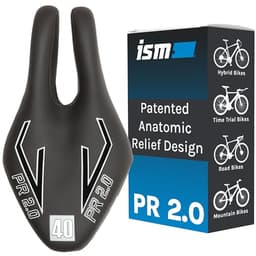
ISM PR 2.0 Noseless Saddle
A noseless design for numbness that has survived adjustment and a relief channel. The shape NIOSH research examined for perineal pressure.
$159.88 · View on AmazonPrice as of October 21, 2026. #ad How we’re funded
We have not ridden or tested these — every specification comes from the manufacturer or the retailer listing, dated. Here is exactly what we do instead.
What this guide will not tell you
We are not a medical source, and saddle pain that includes persistent numbness, swelling or pain that continues off the bike is a question for a clinician rather than for a buying guide. What we can say is what the published research is about and what the hardware does: NIOSH studied no-nose saddle designs specifically because perineal pressure in cyclists is a documented problem, and relief channels exist for the same reason.
We also have not ridden any of these saddles. Every specification above comes from the manufacturer or retailer listing on a dated visit, and where a listing does not publish a width or a weight, our spec tables say so rather than estimating. Exactly what we do instead of testing.
If nothing works
Two possibilities remain. The frame may be the wrong size for you, in which case no saddle adjustment will rescue the position — check your height against the frame size you own. Or the position is right and the saddle shape simply does not suit your anatomy, which is normal and is why bike shops keep demo saddles. Ask whether yours does before buying a third one.
One last thing worth ruling out: a saddle that has been correct for years and suddenly is not usually means something moved. Check the clamp is tight and the post has not slipped, and compare the height to a mark you trust. The rest of the ten-minute check.
Questions people actually ask
Why does my bike seat hurt so much?
Most often because your weight is on soft tissue rather than on your sit bones, which is usually a position problem rather than a saddle problem. Saddle height, tilt and fore-aft position are the first three things to change, and all three are free.
Will a softer saddle be more comfortable?
Usually the opposite. A very soft saddle lets your sit bones sink through the padding so your weight ends up on the soft tissue between them. A firmer saddle of the right width supports the bones and takes pressure off everything else.
Do I need padded cycling shorts?
For rides over about an hour, they make more difference than any saddle you can buy. The pad reduces friction and spreads pressure, and the absence of seams in the contact area removes the main cause of chafing.
How long does it take to get used to a bike saddle?
A few weeks of regular riding for general soreness to settle, assuming the position is right. Soreness that improves ride by ride is adaptation; pain that is identical or worse after three or four weeks is a fit or equipment problem and will not fix itself.
What does numbness mean?
That you are compressing nerves or blood vessels, and it is the one symptom not to ride through. Stop, level or lower the saddle, and if it recurs, change to a saddle with a central relief channel or a noseless design. NIOSH research on pressure-relieving saddle designs exists specifically because this symptom matters.
How do I know what width saddle I need?
By your sit-bone spacing, not by your body size. The practical home method is to sit on a piece of corrugated cardboard on a hard surface, measure centre to centre between the two dents, and add roughly 20-30mm. Most saddle listings do not publish a width, so this is a question to ask before buying.
Is a noseless saddle a good idea?
It is a real option for persistent numbness that adjustment and a relief channel have not solved, and it is the design NIOSH research looked at for exactly that problem. It takes some getting used to, because you lose the ability to steer with your thighs against the nose.
Sources
Specifications come from the manufacturer or the retailer listing, dated. Where a figure is not published, we say so rather than estimating it.
- NIOSH (CDC) — Bicycle saddles without protruding noses reduce pressure — The 2002-2004 NIOSH findings linking perineal pressure on conventional saddles to genital numbness, with the measured contact-pressure figures (accessed August 13, 2026)
- NIOSH (CDC) — No-nose saddles for preventing genital numbness — Federal occupational-health research measuring a 66% reduction in perineal contact pressure on no-nose saddles, and improved genital sensation, in bicycle-patrol officers (accessed August 13, 2026)
- Park Tool — How to adjust a bike saddle and seatpost — The three saddle adjustments — height, fore-aft and angle — and the manufacturer's note that correct position is personal rather than a single number (accessed August 13, 2026)
- Trek — Road bike sizing guide — Trek's guidance that fit depends on height and inseam; the numeric table is behind their Size Finder tool rather than published on the page (accessed July 23, 2026)
Read next
Bike Fit Basics
The four free adjustments in full, with how to check each one on your own bike.
Read the guideBest Bike Saddles
Every saddle in the registry, including the relief-channel and noseless shapes.
See the saddle picksBest Cycling Shorts and Bibs
The cheaper half of this fix, and usually the more effective one.
See the shorts picksBib Shorts vs Waist Shorts
Which style to buy first, and why bibs stay put when shorts do not.
Read the comparison