Cycling in Hot Weather
Why humidity decides a hot ride more than temperature does, the acclimatization rule worth borrowing from OSHA, and the published warning signs that mean stop now.
How this is funded: we earn a commission if you buy through our links, at no extra cost to you. It never changes which bike we recommend, and we will tell you plainly when we would skip one. Full disclosure.
Check the heat index rather than the temperature, start shorter than you think, and carry two bottles. Those three things cover most of what goes wrong on hot rides. The heat index is the National Weather Service’s measure of “how hot it really feels when relative humidity is factored in with the actual air temperature”, and their own worked example is the reason it matters: 96°F at 65 percent humidity produces a heat index of 121°F.
That is not a detail. Your body sheds heat by evaporating sweat, and humid air cannot accept much more water — so the cooling system you are relying on quietly stops working while the effort stays the same. A 96-degree ride in dry air and a 96-degree ride in humid air are different events.
The first hot week is the dangerous one
Nobody publishes a heat acclimatization protocol for cyclists. OSHA publish one for people new to working in heat, and the principle transfers cleanly, so we would rather borrow a good rule than invent one:
- Start at about 20 percent of your normal duration on the first hot day — OSHA’s own wording is that new workers “should work only 20 percent of the normal duration on their first day”.
- Add about 20 percent a day until you are back to a normal schedule, which takes roughly a week.
- Reduce duration, not intensity. OSHA are specific about this: the body adapts by doing realistic work for shorter periods, not easy work for the usual length of time.
Their reason for the rule is the part worth sitting with. OSHA report that almost half of heat-related deaths at work happen on a worker’s first day, and over 70 percent in the first week. The risk is not the hottest day of the year — it is the first hot day, before you have adapted, which in cycling terms is the morning you ride your usual loop at your usual effort in a heat wave.
The warning signs, from OSHA’s own list
These are the six heat illnesses OSHA name, with their published symptoms. We have added what to do on a bike; the symptom lists are theirs, not ours.
| Condition | Published symptoms | What to do on a ride |
|---|---|---|
| Heat cramps | Muscle spasms or pain | Stop, get out of the sun, drink, stretch gently. Do not ride it off. |
| Heat syncope | Fainting, dizziness | Stop and sit or lie down immediately. Dizziness on a bike in traffic is its own emergency. |
| Heat exhaustion | Fatigue, thirst, nausea or vomiting, heavy sweating | Stop, shade, cool down, drink. The ride is over; call for a lift rather than continuing. |
| Heat stroke | Confusion, slurred speech, unconsciousness, seizures, very high body temperature | A medical emergency. Call 911, cool the person aggressively, do not leave them alone. |
| Heat rash | Clusters of red bumps on skin | Keep the area dry and cool. A nuisance rather than a danger, and common under a jersey. |
| Rhabdomyolysis | Muscle pain, dark urine or reduced urine output, weakness | Seek medical attention. OSHA list it alongside the others; it follows hard effort in heat. |
One rule covers all of them: confusion is the emergency signal. Heat stroke is the condition on that list that kills, and OSHA list confusion, slurred speech and loss of consciousness among its symptoms. A rider who has stopped making sense needs 911 and active cooling, not encouragement to finish the ride.
How to ride a hot day
- Go early.Air temperature peaks in the afternoon and road surfaces hold heat afterwards, so early morning is both cooler and — usually — less humid, which is what decides whether sweat can evaporate.
- Plan the route around water. Two bottles is roughly an hour of drinking in real heat. A loop that passes a store, a park tap or your own front door beats a point-to-point that does not.
- Shorten it, and keep the effort honest. Shorter at normal effort beats long and easy, both for adaptation and for the simple reason that you are closer to home when it goes wrong.
- Use shade deliberately. A tree-lined road at 2pm is a different temperature from open blacktop. On a hot day the shaded route is worth the extra distance.
- Tell someone, or carry a phone.Heat illness impairs judgement, which is exactly the condition in which being alone and unreachable stops being a minor detail. The League of American Bicyclists’ ride-smart guidance on riding predictably applies doubly when you are tired and hot.
What heat actually needs
Three items, in order of how much difference they make on a hot ride: cold water, a second bottle so there is more of it, and a jersey you can open. Live prices.
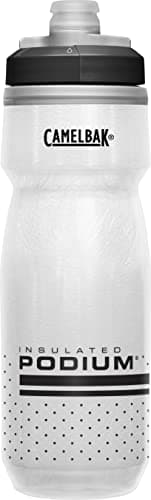
CamelBak Podium Chill 21oz
Double-walled, which CamelBak publish as keeping water cold twice as long — the difference between drinking at mile 30 and giving up on warm water at mile 10.
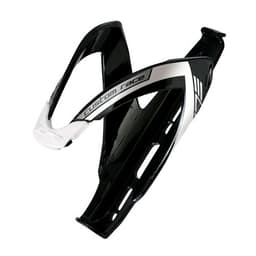
Elite Custom Race Bottle Cage
The second cage, so you can carry two bottles. About ten dollars, and the most effective hot-weather purchase on this page.
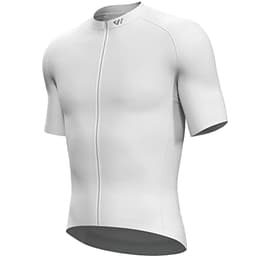
Lo.gas Men's Full-Zip Jersey
A confirmed full-length zip, which is the only ventilation you can adjust while riding — worth more at 90°F than any fabric claim.
$32.99 · View on AmazonPrice as of October 21, 2026. #ad How we’re funded
We have not ridden or tested these — every specification comes from the manufacturer or the retailer listing, dated. Here is exactly what we do instead.
The two mechanical things heat changes
Tire pressure rises. Air expands as it warms, so a tire inflated to the sidewall maximum in a cool garage sits above that after an hour on hot asphalt. The effect is modest at sensible pressures and is one more argument for setting pressure from your weight and tire width instead: road pressure and gravel pressure.
Sweat corrodes.It is salty, it drips onto the stem, headset and bolt heads, and it works on them for the rest of the summer. A wipe-down after hot rides is a thirty-second job that bike owners discover the value of about two years too late — washing a bike properly covers the rest of it, including the places water should not go.
What this guide will not tell you
We do not publish hydration volumes, electrolyte advice or a temperature at which you should not ride, because the sources we trust do not publish them for cycling and your medical history is not something a bike site knows. What is here is what the National Weather Service and OSHA actually publish, applied to riding a bike, plus the kit that makes a hot ride more comfortable.
If the real problem is that summer has made your rides unpleasant rather than risky, the gear page is the shorter answer: seven pieces of summer kit and what each listing publishes. And the same logic in reverse — dress for the conditions, start shorter than you think — is how the cold-weather page handles the other end of the year.
Questions people actually ask
How hot is too hot to ride a bike?
No authority publishes a cycling threshold, and we will not invent one. What is published is the heat index — the National Weather Service's measure of how hot it feels once humidity is included — and their own example shows why it matters: 96°F at 65 percent humidity feels like 121°F. Check the heat index rather than the temperature, shorten the ride, and know the warning signs.
How do I get used to riding in the heat?
Build up rather than jumping in. Nobody publishes an acclimatization protocol for cyclists, but OSHA publish one for new workers and the principle transfers: start at about 20 percent of your normal duration on the first hot day and add about 20 percent a day, reducing duration rather than intensity. Their reason for the rule is sobering — they report that over 70 percent of heat-related deaths at work happen in a worker's first week.
How much water should I drink on a hot ride?
We cannot give you a figure honestly: no source we cite publishes one for cycling, and sweat rates vary enormously between riders. What we can say is carry two bottles rather than one, know where you can refill, and drink before you are thirsty rather than after.
What are the first signs of heat exhaustion on a bike?
OSHA's published symptom list for heat exhaustion is fatigue, thirst, nausea or vomiting and heavy sweating. On a bike the practical signal is usually that your effort feels much harder than the speed justifies, followed by nausea. Stop in shade, cool down and end the ride — the one thing not to do is press on.
What should I wear cycling in hot weather?
A jersey you can fully unzip, bib or waist shorts, half-finger gloves, thin fast-drying socks and sunglasses, under a vented helmet. Nothing cotton. Our hot-weather gear page covers the specific pieces and, more usefully, which claims the listings actually back with a published figure.
Does heat affect tire pressure?
Yes. Air expands as it warms, so a tire set to its maximum in a cool garage reads higher after an hour on hot asphalt — one more reason to set pressure from your weight and tire width rather than the sidewall number. The effect is modest on a normally inflated tire and worth knowing if you habitually run near the limit.
Is riding early or late better in summer?
Early. Air temperature typically peaks in the afternoon, and road surfaces hold heat after that, so an evening ride can feel hotter than the thermometer suggests. Early morning also gives you the lowest humidity of the day, which is what decides whether your sweat can evaporate at all.
Sources
Specifications come from the manufacturer or the retailer listing, dated. Where a figure is not published, we say so rather than estimating it.
- National Weather Service — Heat Index — The federal definition our hot-weather pages use instead of an invented threshold: the heat index is 'a measure of how hot it really feels when relative humidity is factored in with the actual air temperature'. The page's own worked example is the figure we quote - an air temperature of 96 degrees Fahrenheit at 65 percent relative humidity produces a heat index of 121 degrees. The NWS publish the category bands as a chart image rather than as text, and note only that 'the red area without numbers indicates extreme danger', so our pages do not quote numeric band edges from it (accessed October 11, 2026)
- OSHA — Heat illness first aid — The six heat illnesses OSHA name and the published symptom lists our warning-signs section is built from: heat stroke ('Confusion', 'Slurred speech', 'Unconsciousness', 'Seizures', 'Very high body temperature'), heat exhaustion ('Fatigue', 'Thirst', 'Nausea or vomiting', 'Heavy sweating'), heat cramps ('Muscle spasms or pain'), heat syncope ('Fainting', 'Dizziness'), heat rash ('Clusters of red bumps on skin') and rhabdomyolysis ('Muscle pain', 'Dark urine or reduced urine output', 'Weakness'). The page publishes no temperature thresholds and no water-intake figure, so neither appears on our pages (accessed October 11, 2026)
- OSHA — Protecting new workers from heat — The acclimatization rule our hot-weather guide borrows, in OSHA's own words, because nobody publishes one for cyclists: 'New workers should work only 20 percent of the normal duration on their first day', then 'Increase work duration by 20 percent on subsequent days until the worker is performing a normal schedule', reducing duration but not intensity. The risk figures on the same page are why it matters: 'Almost half of heat-related deaths occur on a worker's first day on the job or a worker's first day back after an extended absence' and 'Over 70 percent of heat-related deaths occur during a worker's first week' (OSHA cite Tustin 2018). Cited for the heat-adaptation principle only - this is workplace guidance, not cycling coaching (accessed October 11, 2026)
- League of American Bicyclists — Ride Better Tips — Published riding guidance: ride with the flow of traffic, stay out of the door zone even where that means leaving the bike lane, ride in a straight line past parked cars, cross railroad tracks perpendicular (accessed August 18, 2026)
Read next
Best Hot Weather Cycling Gear
The kit side of this page: the full-zip jersey, the insulated bottle and the five other pieces worth owning.
See the summer kitCycling in the Rain
The other weather problem, where the risks are grip and visibility rather than heat.
Read the guideBest Bike Water Bottles and Cages
Two bottles beats one in summer, and the second cage costs about ten dollars.
See the bottle picksWhat to Bring on a Bike Ride
The four things that turn a mechanical into an inconvenience rather than a phone call.
Read the list