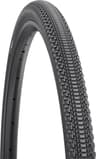
Buy the Maxxis Rambler in 700x40. It is the tubeless gravel tire to default to because it is the only one on this page that publishes a sidewall protection layer by name — Maxxis EXO — and on a tubeless setup the sidewall is the part sealant cannot save you from. It is the right tire for someone whose riding is genuinely dirt rather than pavement-with-dirt-at-the-end. The budget pick is the WTB Vulpine in 700x36: the cheapest tire here, and the only option at all if your frame will not swallow a 40 mm tire.
All five of these are published as tubeless-ready, which means the bead is shaped to lock into a tubeless rim and the casing is built to hold sealant. That is a property of the tire, and it is only half the requirement. A tubeless-ready tire on a rim that is not tubeless-ready will not hold air, and no amount of sealant changes that — Park Tool’s own compatibility guidance is clear that a non-tubeless rim is simply not a candidate. Check the rim before you buy the tire.
One more honest framing. Not one of these five publishes a weight, and only three publish anything about protection. Where a figure is missing below it says so, because an absent spec is a finding about the listing rather than a gap in our research. Prices are live, as of November 22, 2026, with the date under every button.
How this is funded: we earn a commission if you buy through our links, at no extra cost to you. It never changes which bike we recommend, and we will tell you plainly when we would skip one. Full disclosure.
Quick picks
Ranked on published specs, what the listing does and does not tell you, and who each one actually suits. Select a row to jump to the full write-up. We have not ridden these — here is exactly what we do instead.
#
Bike or gear
Best for
Price
1
Maxxis Rambler 700 x 40
The all-round gravel tire most people end up on. Knobs across the whole tread and Maxxis's EXO sidewall protection, which is the difference between finishing a ride and walking home.
A smooth center strip with grip only at the edges — fast on pavement, secure when you lean it into a dirt corner. If your riding is mostly road with dirt sections, this is the shape you want.
WTB's fast-rolling race tire in the most common gravel width. Lighter and quicker than the Byway, with less tread — this is the one for hard-packed dirt and long days.
The most expensive tire here and the only one that publishes its exact ETRTO size (40-622). Pirelli's SpeedGrip compound is the argument — grip in the wet without the usual rolling penalty.
The all-round gravel tire most people end up on. Knobs across the whole tread and Maxxis's EXO sidewall protection, which is the difference between finishing a ride and walking home.
Who it is for: Real gravel and dirt where grip matters more than pavement speed.
What is good
+Full tread pattern grips on loose surfaces where a smooth center will not
+EXO sidewall protection — the sidewall is where gravel tires actually cut
+40mm fits more frames than 44mm does
+Dual compound: harder rubber in the center for wear, softer at the edges for grip
What you give up
−Slower and noisier than a smooth-center tire on pavement
−Costs meaningfully more than the WTB Byway
−No published weight in this listing
Skip this if. Skip this if most of your miles are on pavement getting to the dirt. You will feel the tread buzzing under you for the whole road section, and the WTB Byway gives up very little off-road for a much better ride on tarmac.
Published specifications for the Maxxis Rambler 700 x 40
Size
700 x 40c
Tread
Full knobbed gravel tread
Sidewall protection
EXO
Rubber
Dual compound
Tubeless-ready
Yes
Weight
Not published
Specifications read from the retailer listing on July 23, 2026. “Not published” means the listing does not state that figure — we do not estimate it.
#2Best for mixed surfaces
WTB Byway 700 x 44
A smooth center strip with grip only at the edges — fast on pavement, secure when you lean it into a dirt corner. If your riding is mostly road with dirt sections, this is the shape you want.
Who it is for: Mixed rides that are more pavement than dirt.
What is good
+Smooth center rolls almost like a road tire on pavement
+Side knobs give you grip when the bike is leaned over in loose corners
+44mm is wide enough to be genuinely comfortable on rough surfaces
+Tubeless-ready, so you can run it without an inner tube later if you want
What you give up
−The smooth center is exactly wrong in deep mud or loose gravel climbs
−44mm will not fit every gravel frame — check your clearance before buying
−No published weight or thread count
Skip this if. Skip this if your local riding is genuinely loose — soft gravel, sand, mud. The smooth center that makes this fast on pavement is the thing that will slide out from under you, and the Maxxis Rambler is the better tool.
Published specifications for the WTB Byway 700 x 44
Size
700 x 44
Tread
Smooth center, side knobs
Tubeless-ready
Yes
Folding bead
Yes
Weight
Not published
Specifications read from the retailer listing on July 23, 2026. “Not published” means the listing does not state that figure — we do not estimate it.
#3Best for hard-packed dirt
WTB Vulpine 700 x 40
WTB's fast-rolling race tire in the most common gravel width. Lighter and quicker than the Byway, with less tread — this is the one for hard-packed dirt and long days.
Who it is for: Hard-packed gravel and fast riding.
What is good
+Light and fast-rolling, listed for racing
+40mm is the width most gravel frames are designed around
+Tubeless-ready folding bead
What you give up
−Less tread means less grip when the surface turns loose or wet
−A race-oriented tire usually means a thinner casing and more punctures
−No published weight or puncture-protection layer
Skip this if. Skip this if you ride in wet weather or on loose surfaces. A fast-rolling race tire gives up grip and puncture resistance to be fast, and in the wet that is not a trade a beginner should be making.
Published specifications for the WTB Vulpine 700 x 40
Size
700 x 40
Tread
Fast-rolling race tread
Tubeless-ready
Yes
Folding bead
Yes
Sidewall protection
Not published
Weight
Not published
Specifications read from the retailer listing on July 23, 2026. “Not published” means the listing does not state that figure — we do not estimate it.
#4Best wet-weather grip
Pirelli Cinturato Gravel H 700 x 40
The most expensive tire here and the only one that publishes its exact ETRTO size (40-622). Pirelli's SpeedGrip compound is the argument — grip in the wet without the usual rolling penalty.
Who it is for: Wet-weather riding where grip is worth paying for.
What is good
+SpeedGrip compound is specifically formulated for grip in cold and wet conditions
+Publishes the precise ETRTO size (40-622), so you can check clearance exactly
+Tubeless-ready clincher, so it works with or without inner tubes
What you give up
−The most expensive tire on this page by a clear margin
−No published weight or puncture-protection layer
−'H' is Pirelli's hard-terrain tread — wrong for soft or muddy ground
Skip this if. Skip this if you ride dry, hard-packed gravel in summer. You are paying a premium for wet grip you will not use, and the WTB Vulpine costs a lot less for the same job in the dry.
Published specifications for the Pirelli Cinturato Gravel H 700 x 40
Size
700 x 40c (40-622)
Tread
Hard terrain (H)
Rubber
SpeedGrip compound
Tubeless-ready
Yes
Weight
Not published
Specifications read from the retailer listing on July 23, 2026. “Not published” means the listing does not state that figure — we do not estimate it.
#5Budget pick
WTB Vulpine 700 x 36
The narrow one. 36mm fits frames that will not take a 40, which includes a lot of road bikes people are trying to make gravel-capable.
Who it is for: A road bike with limited tire clearance that you want to take onto dirt.
What is good
+36mm fits frames that cannot take a 40mm tire
+SG2 puncture protection, which is more than the wider Vulpine in this range publishes
+Tubeless-ready folding bead, same as the wider sizes
What you give up
−36mm is noticeably harsher than 40mm or 44mm on rough surfaces
−Narrower tires need higher pressure, which is where the comfort goes
−Race tread means limited grip in the wet
Skip this if. Skip this if your frame will take a 40mm tire. Going wider is the single cheapest comfort upgrade available on a drop-bar bike, and choosing 36mm when you have room for 40mm is leaving that on the table.
Published specifications for the WTB Vulpine 700 x 36
Size
700 x 36
Tread
Fast-rolling race tread
Tubeless-ready
Yes
Sidewall
Black
Puncture protection
SG2
Weight
Not published
Specifications read from the retailer listing on September 29, 2026. “Not published” means the listing does not state that figure — we do not estimate it.
Pick by the surface, not by the price
These five tires cost within about forty dollars of each other and they are not interchangeable. The thing that separates them is tread, and tread is a question about where you ride rather than how much you want to spend.
Tire
Tread
Published protection
Right surface
Where it is wrong
Maxxis Rambler 700x40
Knobs across the full tread
EXO sidewall (published)
Real gravel and dirt
Buzzy and slow on long pavement sections
WTB Byway 700x44
Smooth center, side knobs
Not published
Mostly pavement with dirt sections
The smooth center slides on loose gravel and sand
WTB Vulpine 700x40
Fast-rolling race tread
Not published
Hard-packed dirt, long dry days
Gives up grip and puncture resistance to be fast
Pirelli Cinturato Gravel H
Hard terrain (H)
SpeedGrip compound (published)
Wet riding where grip is worth paying for
The most expensive tire here by a wide margin
WTB Vulpine 700x36
Fast-rolling race tread
SG2 puncture protection (published)
Frames that will not take a 40
Narrower than it needs to be if you have the clearance
Read the last column before the others. A smooth-center tire like the Byway is genuinely faster and quieter than the Rambler on tarmac, and genuinely worse the moment the surface goes loose, because the part of the tire carrying your weight in a straight line has nothing to dig with. A full-knob tire like the Rambler is the reverse: secure everywhere, buzzing under you for the whole road section. Neither is better. They are tools.
Why sidewall protection is the tubeless-specific spec
On a tubed tire, a thorn through the tread is a puncture and you change the tube. On a tubeless tire, the sealant usually deals with it before you notice — which is the main reason to run tubeless at all on gravel. What sealant handles badly is a sidewall cut: a slash from a flint edge in a loose corner, where the hole is large, the rubber is thin and the casing flexes constantly so the plug never sets.
That is why the protection column above matters more here than it would on a road-tire page. Three of the five publish something: Maxxis EXO on the Rambler, which is a sidewall-specific layer; SG2 on the 36 mm Vulpine; and Pirelli’s SpeedGrip compound, which is a rubber-compound claim about wet grip rather than a protection layer, and we are not going to count it as one. The Byway and the 40 mm Vulpine publish nothing about protection at all.
None of that means the unprotected tires are fragile. It means that if you ride flinty, sharp-edged gravel, the tire that names a sidewall layer is the one to choose, and the tire that names nothing is the one to carry a plug kit and a spare tube for. Everybody should carry the spare tube anyway. A sidewall cut big enough to beat sealant is fixed by putting a tube in, on the roadside, with sealant everywhere.
Width, and the rim you are fitting it to
Tire width is not a free choice. WTB publish a tire-and-rim fit chart precisely because a given tire width is only approved across a band of internal rim widths — too narrow a rim and a wide tire takes on a light-bulb profile that squirms in corners and burps air out of the bead; too wide a rim and a narrow tire is stretched flat with the sidewalls exposed.
Practically, for a first gravel bike, that means: look up your rim’s internal width (it is usually printed on the rim or in the wheel’s listing), then check the chart before committing to a 44. The 44 mm Byway is a lot of tire, and a lot of tire on a narrow stock rim is worse than a 40 mm tire on the same rim. Our gravel bike tire width guide covers how width trades against speed, comfort and clearance, and the tire sizes explained guide decodes the numbers on the sidewall.
The other constraint is the frame. If your bike is a road bike you are trying to make gravel-capable, you may not have room for 40 mm at all, and the 36 mm Vulpine exists on this page for exactly that rider. Its own card is honest about the flip side: if your frame will take a 40, going narrower is leaving the cheapest comfort upgrade on a drop-bar bike on the table.
Pressure: lower than you think, and the reason tubeless exists
The payoff for running tubeless is not weight. It is that you can run lower pressure without pinch-flatting, because there is no tube to pinch between rim and rock. Lower pressure means a bigger contact patch, more grip and a dramatically less punishing ride on washboard.
WTB publish their own pressure guidance for high-volume gravel tires, and the honest summary is that a 40 mm tire wants a figure far below anything you would put in a road tire — the range depends on rider weight, tire width and surface, which is why we point you at the manufacturer rather than printing one number. Our gravel tire pressure guide walks through finding yours by feel in two rides.
What you have to buy alongside the tires
This is the part that catches people out, and Park Tool’s own tubeless mounting procedure lists it plainly. Beyond the tires you need tubeless rim tape if the rim is not already sealed, tubeless valves, sealant, a valve core remover, and — the awkward one — a way to deliver a sudden large volume of air to seat the bead.
A standard floor pump usually cannot do that last job. Park Tool’s tool list names a compressor or a charger pump, which is why the floor pump roundup carries one charger pump among the ordinary ones, and why the under-$50 pump page says outright that no pump in that band will seat a stubborn tubeless bead. A bowl of soapy water on the bead helps more than its cost suggests. The full procedure is in our tubeless setup guide, and the honest case for and against the whole system is in tubeless versus inner tubes.
What we would buy
The Rambler in 700x40, for a first tubeless gravel setup on real dirt. Full knobs, a named sidewall layer, dual-compound rubber and the width most gravel frames are designed around. Its honest cost is on its card: you will feel the tread on every mile of pavement getting to the trail, and if most of your miles are tarmac the Byway gives up very little off-road for a much better ride on the way there.
For dry, hard-packed days where speed is the point, the 40 mm Vulpine is the faster tire and publishes no protection, which is the trade stated plainly. For genuinely wet riding the Pirelli Cinturato Gravel His the only tire here with a compound claim aimed at wet grip, and it is also the only one that publishes its exact ETRTO size — 40-622 — which is the figure that tells you precisely what you are fitting. And if your frame is tight, the 36 mm Vulpine is both the cheapest tire here and the only one that will go in.
We have not ridden these bikes. Every site in this category says it tested twenty of them. We have not tested any, and we say so. What we did instead: read the manufacturer listings and manuals, compiled the published specs, worked out the real out-the-door cost, and checked live availability and price. Here is exactly how that works.
Questions people actually ask
What are the best tubeless gravel tires?+
The Maxxis Rambler 700x40 is the one to default to, because it is the only tire here that publishes a sidewall protection layer by name (Maxxis EXO) and on a tubeless setup the sidewall is what sealant handles worst. If most of your miles are pavement on the way to dirt, the WTB Byway 700x44 is quieter and faster on tarmac; if your frame is tight, the 36 mm WTB Vulpine is the cheapest option here and the only one that fits.
Do I need tubeless-ready rims for a tubeless tire?+
Yes. A tubeless-ready tire on a rim that is not built for it will not hold air, and sealant does not change that - Park Tool's own compatibility guidance is clear that a non-tubeless rim is not a candidate. The rim needs a bead lock and sealed or taped spoke holes. Check the rim before you buy the tire, because the tire is the cheaper half of the mistake.
Is tubeless worth it on a gravel bike?+
The payoff is not weight, it is pressure. With no tube there is nothing to pinch between rim and rock, so you can run meaningfully lower pressure for a bigger contact patch, more grip and a far less punishing ride on washboard - and small thorn punctures seal themselves before you notice. The cost is a fiddlier setup, sealant that needs topping up, and a sidewall cut that still means fitting a tube on the roadside.
Can I seat a tubeless tire with a normal floor pump?+
Often not. Seating the bead needs a sudden high-volume blast of air, and Park Tool's own tubeless procedure names a compressor or a charger pump for that job. Soapy water on the bead helps, and some tire-and-rim combinations do seat with a standard pump, but if you are setting up tubeless at home regularly a charger pump is the tool that stops the job being a fight.
What width tubeless gravel tire should I run?+
Whatever your frame clears and your rim is approved for, which is usually 38 to 44 mm on a modern gravel bike. WTB publish a tire-and-rim fit chart because a given tire width is only approved across a band of internal rim widths - too narrow a rim and a wide tire squirms and burps air out of the bead. Look up your rim's internal width before committing to a 44.
Do these tires publish a weight?+
No, not one of the five. Three publish something about protection - Maxxis EXO on the Rambler, SG2 on the 36 mm Vulpine, and Pirelli's SpeedGrip compound, which is a wet-grip claim rather than a protection layer - and the Byway and the 40 mm Vulpine publish nothing on either. Where the figure is absent our table says so rather than estimating it.
What else do I need to buy to go tubeless?+
Tubeless rim tape if the rim is not already sealed, tubeless valves, sealant, a valve core remover, and a way to deliver a large volume of air quickly. Carry a spare tube and a plug kit on rides as well - a sidewall cut big enough to beat sealant is fixed by fitting a tube, and you would rather have one in the saddle bag than be walking.
Sources
Specifications come from the manufacturer or the retailer listing, dated. Where a figure is not published, we say so rather than estimating it.
WTB — Tire and rim fit chart — Manufacturer chart of approved tire width to rim width pairings (accessed July 23, 2026)
Park Tool — Tubeless tire compatibility — Which rim and tire combinations are designed to run without a tube, and why a non-tubeless rim is not a candidate (accessed August 18, 2026)
Park Tool — Tubeless tire removal and installation — Published tubeless procedure, including the tool list: compressor or charger pump, valve core remover, measuring cup, soapy water for tight beads (accessed August 18, 2026)